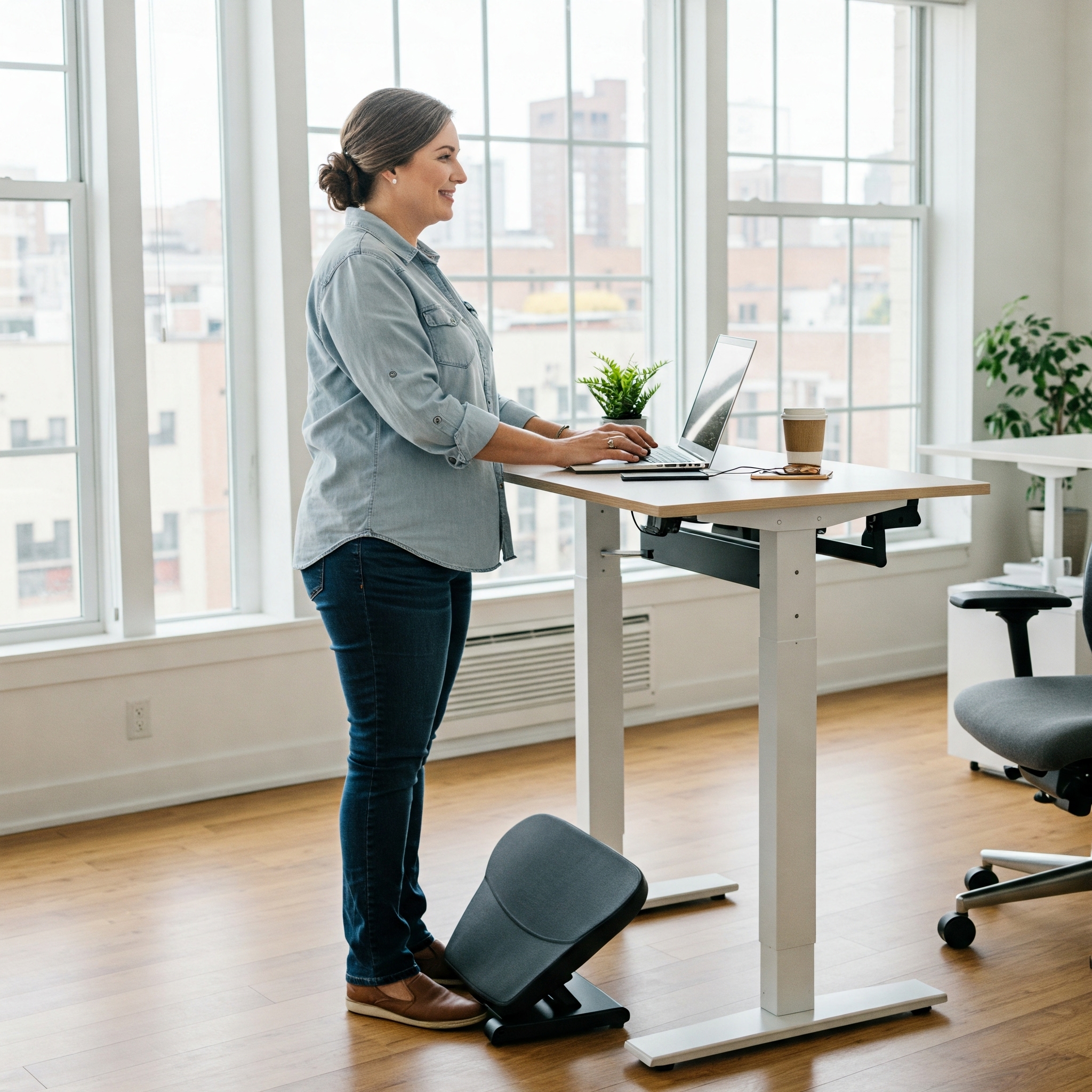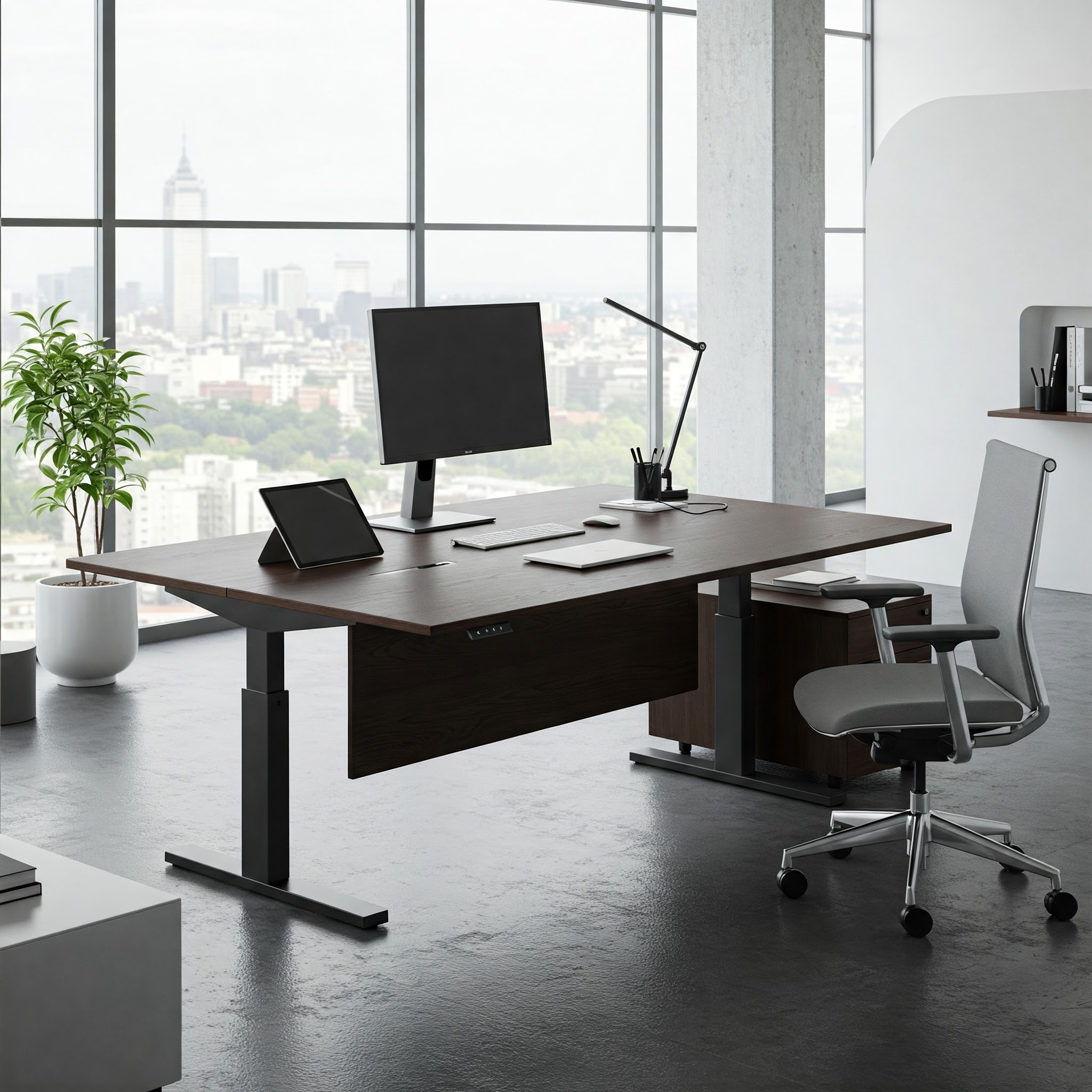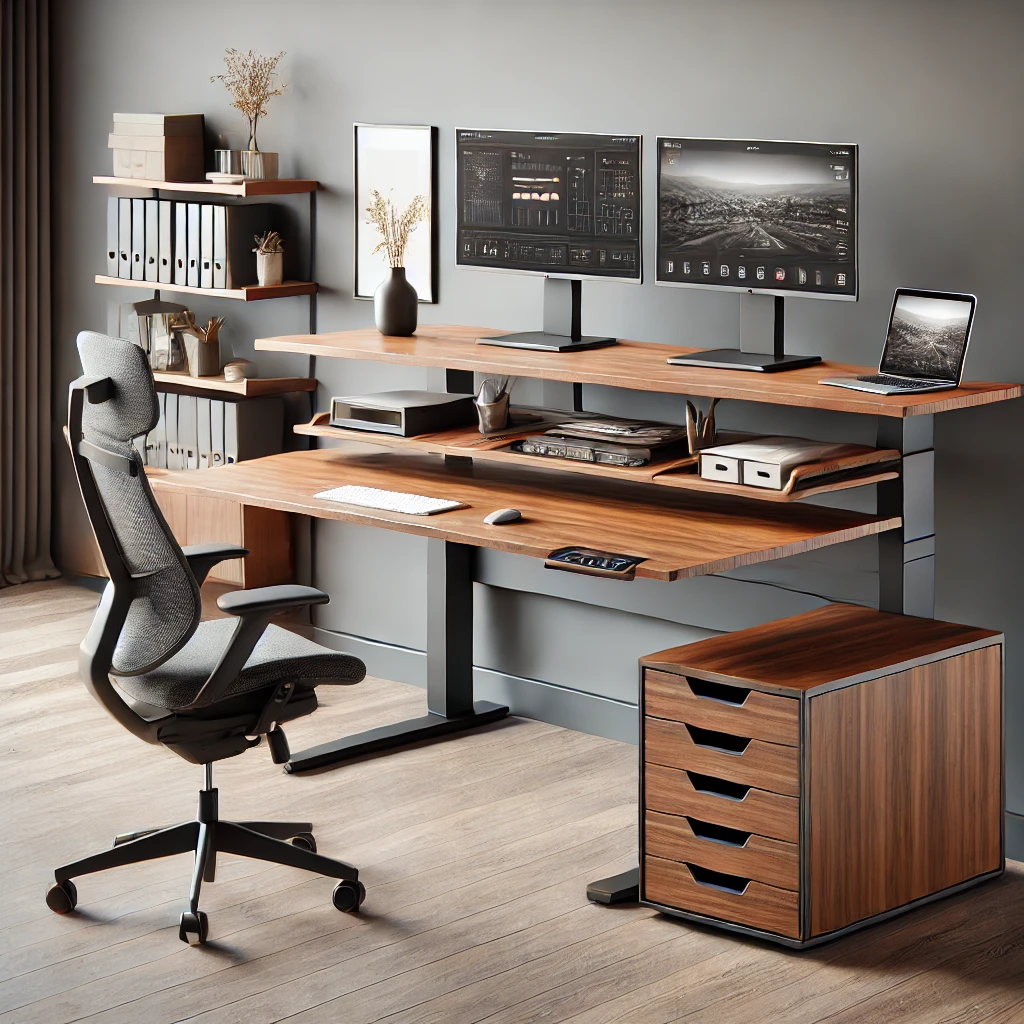
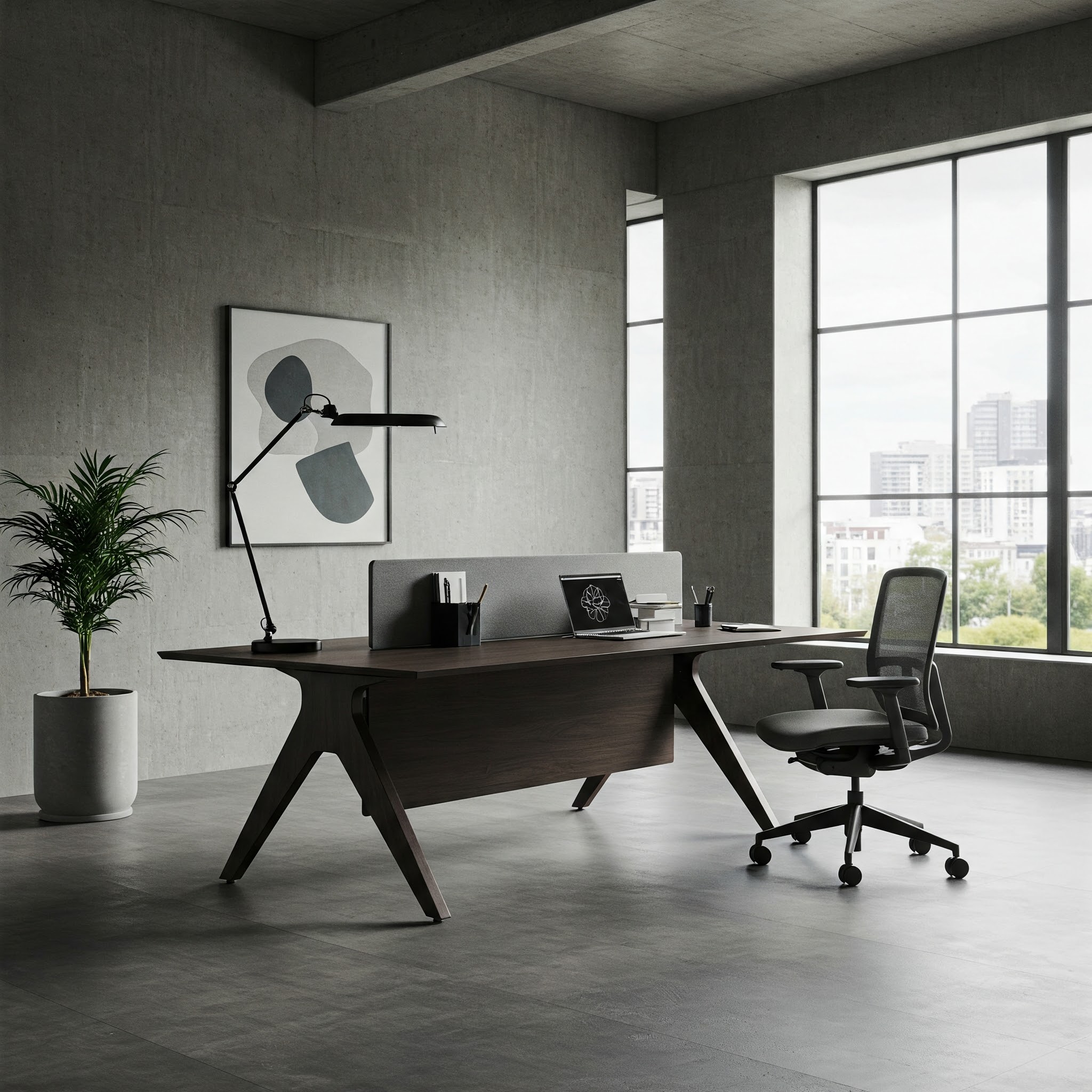
In today’s fast-paced digital world, creating a workspace that balances functionality with natural aesthetics has become increasingly important. Branch desks stand at the forefront of this movement, offering a unique blend of practicality and organic design that can transform any office or home workspace. These distinctive furniture pieces draw inspiration from nature’s architecture, incorporating elements that mimic the flowing lines and organic structure of tree branches.
✨Was this helpful? Spread the word! 🚀
The growing popularity of branch desks isn’t simply about following trends – it’s about reconnecting with nature in spaces where we spend significant portions of our lives. Whether you’re setting up a home office, upgrading your corporate workspace, or simply seeking a statement piece that serves a practical purpose, branch desks offer a refreshing alternative to conventional office furniture.
How Branch Desks Compare to Traditional Office Furniture
| Feature | Branch Desks | Traditional Desks | Modern Minimalist Desks |
|---|---|---|---|
| Design Aesthetic | Organic, nature-inspired | Rectangular, conventional | Clean lines, geometric |
| Visual Impact | High statement value | Low to moderate | Moderate |
| Material Variety | Wood, metal, glass combinations | Primarily wood or laminate | Metal, glass, engineered materials |
| Price Range | $300-$3,000+ | $150-$1,000 | $200-$2,000 |
| Customization Options | Often handcrafted with unique variations | Limited, mass-produced | Moderate customization |
| Sustainability Factor | Often uses reclaimed or sustainably sourced materials | Variable, often lower | Variable, often focuses on modern eco-materials |
| Space Requirements | Usually requires more room due to organic shape | Compact, standardized dimensions | Often space-efficient |
Understanding Branch Desks: What They Are and Why They Matter
Branch desks represent a distinctive category of office furniture that breaks away from the rigid, rectangular format of traditional desks. These innovative pieces incorporate sinuous, branch-like elements in their structure, creating a visual connection to the natural world. The design philosophy behind branch desks aligns perfectly with biophilic design principles – the concept that humans have an innate connection to nature and benefit from incorporating natural elements into built environments.
Research published in the Journal of Environmental Psychology suggests that exposure to natural elements in workspaces can reduce stress, enhance creativity, and improve overall well-being. Branch desks offer a practical way to introduce these benefits into your daily work environment.
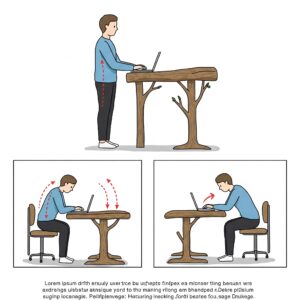
The appeal of branch desks extends beyond their aesthetic value. Many branch desk designs incorporate ergonomic considerations, with flowing forms that encourage movement and provide multiple working positions. This versatility supports dynamic work habits, allowing users to change postures throughout the day – a practice increasingly recommended by health professionals to counteract the negative effects of sedentary work.
For those seeking to create a distinctive workspace that reflects personal style while supporting productivity, branch desks offer a compelling solution that merges functional considerations with artistic expression.
The Evolution of Branch Desks: From Rustic Roots to Modern Masterpieces
The concept of branch desks has evolved significantly over time, transitioning from rustic handcrafted items to sophisticated design statements. Historically, furniture that incorporated natural branches was primarily rustic and cabin-style, often created by artisans working with locally available materials.
According to the Smithsonian’s Cooper Hewitt Design Museum, the modern interpretation of branch furniture gained momentum in the mid-20th century as part of the organic design movement, which emphasized flowing, natural forms. This approach was championed by designers who sought to create harmony between human-made objects and the natural environment.
Today’s branch desks represent the culmination of this evolution, with designs ranging from pieces that incorporate actual branches in their raw form to highly refined interpretations that capture the essence of organic structures through sophisticated manufacturing techniques. Contemporary branch desks might feature:
- Metal frameworks that mimic the sinuous lines of branches
- CNC-carved wooden components that create branch-like structures with precise engineering
- Hybrid designs that combine natural branch elements with glass, metal, or engineered materials
- Digital-age adaptations with integrated technology management for modern workspace needs
The diversity of approaches to branch desk design means there are options suitable for virtually any aesthetic preference, from rustic nature lovers to advocates of high-end contemporary design.
Key Benefits of Choosing a Branch Desk for Your Workspace
Integrating a branch desk into your workspace offers numerous advantages that extend beyond mere aesthetics. Here’s why branch desks have become increasingly popular among discerning professionals and design enthusiasts:
1. Biophilic Connection ✅
Branch desks foster a tangible connection to nature, even in urban environments. This natural connection has been linked to:
- Reduced stress levels
- Improved cognitive function
- Enhanced creativity and problem-solving abilities
- Greater workplace satisfaction
Research conducted by the Human Spaces Report found that employees working in environments with natural elements reported a 15% higher level of well-being and 6% higher productivity than those in environments devoid of nature.
2. Unique Aesthetic Value ✅
Unlike mass-produced office furniture, branch desks:
- Serve as conversation pieces that express personal style
- Create visual interest in otherwise mundane spaces
- Add organic texture and warmth to contemporary interiors
- Often feature one-of-a-kind characteristics, especially in handcrafted pieces
3. Versatility in Design Integration ✅
Branch desks demonstrate remarkable versatility, complementing:
- Rustic and cabin-inspired interiors
- Modern and minimalist spaces seeking organic counterpoints
- Eclectic design schemes that blend multiple influences
- Corporate environments aiming to create distinctive, memorable impressions
4. Potential Sustainability Benefits ✅
Many branch desks are created with sustainability in mind:
- Often utilize reclaimed or salvaged wood
- May incorporate responsibly harvested materials
- Frequently support artisanal and small-scale production
- Connect users to traditional craftsmanship and material awareness
According to the Forest Stewardship Council, consumer interest in sustainably produced wood furniture has increased by over 25% in the past decade, with branch-inspired designs often leading this trend.
5. Ergonomic Adaptability ✅
The organic forms of many branch desks offer:
- Multiple working positions and heights
- Opportunities for more dynamic work postures
- Natural resting places for arms and elbows
- Configurations that support standing or perching positions
6. Investment Potential ✅
Quality branch desks often:
- Maintain their value over time, especially artisanal pieces
- Develop character with age, particularly those made with natural materials
- Transcend short-lived trends due to their connection to timeless natural forms
- May become collectible items, depending on the designer and craftsmanship
Types of Branch Desks: Finding Your Perfect Match
Branch desks come in diverse styles to suit different preferences, space requirements, and functional needs. Understanding the main categories can help you identify which type aligns best with your workspace vision:
1. Authentic Branch Desks
These desks incorporate actual tree branches, often minimally processed to maintain their natural character:
- Rustic Branch Desks: Typically handcrafted using branches with minimal finishing, these desks retain bark, natural bends, and organic irregularities. They excel in cabin settings, nature retreats, and spaces with rustic décor themes.
- Refined Branch Desks: While still using natural branches, these pieces feature more finished surfaces, careful branch selection, and higher levels of craftsmanship. The branches may be debarked, sanded, and sealed to create a more sophisticated appearance while preserving natural forms.
According to Wood Workers Guild of America, creating furniture from natural branches requires specialized knowledge of wood properties, as each branch has unique structural characteristics that must be considered for durability.
2. Branch-Inspired Desks
These designs capture the essence of branches through interpretation rather than direct incorporation:
- Sculptural Metal Branch Desks: Featuring metal frameworks formed to mimic branch structures, these pieces offer durability and precision while maintaining organic aesthetics. They often combine metal “branches” with wood, glass, or stone surfaces.
- Carved Wooden Branch Desks: Created through skilled woodworking or modern CNC techniques, these desks interpret branch forms in solid wood or engineered wood materials. They offer more consistency than natural branch furniture while still capturing organic qualities.
3. Hybrid Branch Desks
Combining traditional desk structures with branch elements, these options offer practical functionality with natural accents:
- Branch-Leg Desks: Conventional desktops supported by legs designed to resemble branches, providing a balanced compromise between standard furniture and nature-inspired design.
- Branch-Accent Desks: Traditional desk forms with branch elements incorporated as decorative features, supports, or organizational components.
4. Functional Variations
Branch desks can be adapted to various functional requirements:
- Writing Branch Desks: Smaller formats designed primarily for writing and laptop use, often featuring minimal storage.
- Executive Branch Desks: Larger designs with more substantial work surfaces and integrated storage solutions, suited for primary workspaces.
- Branch Computer Desks: Specifically designed to accommodate desktop computers, with solutions for cable management and peripheral organization.
- Standing Branch Desks: Taller designs or adjustable-height variations that allow users to work while standing.
When selecting from these categories, consider both your aesthetic preferences and practical requirements. The ideal branch desk should complement your space visually while supporting your specific work habits and equipment needs.
Materials and Craftsmanship: The Building Blocks of Quality Branch Desks
The materials used in branch desks significantly impact their appearance, durability, sustainability, and price point. Understanding these materials and the craftsmanship involved helps in making an informed investment:
Common Materials in Branch Desk Construction
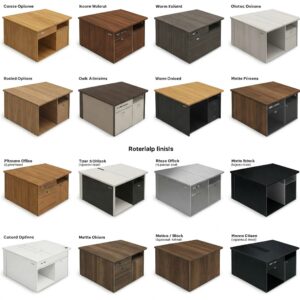
Wood Types
Different wood species offer distinct aesthetic and structural properties:
- Maple: Offers exceptional durability with a light, clean appearance that takes finishes well. Often used in refined branch desk designs where precision is paramount.
- Oak: Provides outstanding strength and distinctive grain patterns. Red oak offers warmer tones, while white oak delivers cooler hues with superior moisture resistance.
- Walnut: Prized for its rich, dark coloration and excellent workability. Creates sophisticated branch desks with a luxurious feel.
- Birch: Lighter in color with subtle grain, birch provides good strength at a more accessible price point than maple or walnut.
- Reclaimed Woods: Increasingly popular for branch desks, these materials offer unique character, sustainability benefits, and often tell a story through their previous uses.
The American Hardwood Export Council notes that sustainable forestry practices have made hardwoods an environmentally responsible choice for furniture, with forest growth exceeding harvest in U.S. hardwood forests.
Metal Components
Metal elements in branch desks provide structural support and design contrast:
- Steel: Offers maximum strength and contemporary appeal, often used in branch-inspired frameworks.
- Aluminum: Provides a lighter weight alternative with good corrosion resistance.
- Bronze and Brass: Add warmth and rich patina possibilities to branch desk designs, often used as accents or in high-end pieces.
- Iron: Creates a rustic, industrial quality, particularly in hand-forged components that complement the organic nature of branch designs.
Surface Materials
The work surface material affects both functionality and appearance:
- Solid Wood: Provides natural beauty that develops character over time but requires more maintenance.
- Glass: Creates visual lightness and allows the branch structure to remain visible. Often used in contemporary interpretations.
- Stone and Concrete: Offer dramatic contrast to organic branch elements while providing extremely durable work surfaces.
- Engineered Materials: Include options like high-pressure laminate or solid surface materials that provide durability and consistency.
Craftsmanship Indicators
Quality branch desks exhibit superior craftsmanship through:
- Joinery Quality: Look for mortise and tenon joints, dovetails, and other traditional woodworking techniques that indicate attention to structural integrity.
- Finish Consistency: Even application of finishes with appropriate build and sheen levels demonstrates care in production.
- Material Selection: Thoughtful use of materials with attention to grain matching, branch placement, and visual flow.
- Detail Resolution: Careful attention to edges, transitions between materials, and overall proportion.
- Functional Consideration: Integration of practical elements like cable management, height adjustment, or storage without compromising the design aesthetic.
According to the Furniture Society, the resurgence of interest in handcrafted furniture has elevated the standards for branch furniture, with many creators now combining traditional techniques with modern design approaches.
Selecting the Perfect Branch Desk: Key Considerations
Choosing the ideal branch desk involves balancing aesthetic preferences with practical requirements. Here’s a comprehensive guide to making a selection you’ll be satisfied with for years to come:
Space Assessment
Before falling in love with a particular design, assess your available space:
- Measure carefully: Account for the desk itself plus clearance for chairs, movement, and opening drawers or cabinets.
- Consider traffic flow: Branch desks often have irregular footprints, so visualize how people will move around the piece.
- Plan for equipment: Ensure the desk can accommodate your computer, monitors, and other essential tools.
- Evaluate proportions: A branch desk that’s too large can overwhelm a space, while one that’s too small may lack presence or functionality.
Functional Requirements
Determine what you need from your desk functionally:
- Work surface area: Consider the size and shape you need for your typical tasks.
- Storage needs: Assess whether you need drawers, shelves, or other storage features.
- Technology accommodation: Evaluate cable management options and space for computer components.
- Work style support: Consider whether you prefer to sit, stand, or alternate between positions.
The Ergonomics Research Society recommends selecting furniture that supports multiple working positions to reduce strain and increase comfort during extended work sessions.
Aesthetic Alignment
Ensure the branch desk complements your overall design scheme:
- Design continuity: The desk should relate to other elements in your space through material, color, or design language.
- Statement level: Decide whether you want the desk to be a focal point or a harmonious background element.
- Material harmony: Consider how the desk’s materials will interact with existing finishes in your space.
- Temporal relevance: Select a design that resonates with you deeply rather than following passing trends.
Investment Considerations
Branch desks represent a significant investment, so evaluate:
- Budget alignment: Quality branch desks range widely in price; establish your comfortable spending range.
- Value factors: Consider longevity, versatility, and resale potential when assessing value.
- Future adaptability: Select a desk that can transition to different spaces or accommodate changing needs.
- Maintenance requirements: Factor in the time and expense of maintaining the desk’s materials and finishes.
Practical Selection Tips
To streamline your selection process:
- Request material samples: If possible, obtain samples of woods and finishes to see how they look in your space’s lighting.
- Test ergonomics: Sit or stand at the desk if possible before purchasing to ensure comfort.
- Verify dimensions: Double-check all measurements, particularly height, as branch desks may have variable working heights.
- Assess delivery logistics: Ensure the desk can be transported to your location and through any doorways or staircases.
- Understand warranty terms: Quality branch desks should come with meaningful warranties that reflect the manufacturer’s confidence.
Top Branch Desks Available Now: Our Recommended Selections
After extensive research and evaluation, we’ve identified exceptional branch desks across various styles and price points. These selections represent the best-in-class options currently available:
Luxury Statement Pieces
For those seeking extraordinary branch desks that serve as functional art:
Artemis Natural Edge Live Edge Desk
This spectacular branch desk features a single slab of sustainably harvested walnut supported by sculptural branch-inspired legs in blackened steel. Each piece is unique, with natural edge detailing that highlights the tree’s original form. With integrated wireless charging and hidden cable management, it combines natural beauty with modern functionality.
Key features include:
- Solid walnut slab with natural live edge
- Handcrafted steel base with branch-inspired design
- Built-in technology integration
- Custom size options available
- 10-year warranty
West Elm Branch Office Desk
Combining contemporary design with nature-inspired elements, this desk features a clean-lined walnut surface supported by an intricate branch-like metal base. The juxtaposition of geometric top and organic support creates a captivating visual tension that works beautifully in modern spaces.
Mid-Range Excellence
Quality branch desks at more accessible price points:
Woodland Artisan Branch Writing Desk
This charming desk incorporates authentic cedar branches as structural elements, supporting a smooth-planed desktop of reclaimed oak. Each piece features the natural character of the materials, making every desk one-of-a-kind. The compact footprint makes it ideal for smaller spaces.
Key features include:
- Hand-selected cedar branches
- Reclaimed oak desktop with natural finish
- Compact design for apartments and small offices
- Integrated drawer with dovetail joinery
- 5-year structural warranty
Branch Foundations Modern Work Desk
This versatile option offers branch-inspired design at a reasonable price point. The engineered wood top provides a durable work surface, while the powder-coated steel legs create a striking branch-like silhouette. Available in multiple finishes to complement various interior styles.
Practical Branch-Inspired Options
For everyday functionality with nature-inspired aesthetics:
Studio Branch Corner Desk
This clever design maximizes space utilization with a corner configuration featuring branch-inspired supports. The industrial-modern aesthetic combines reclaimed wood surfaces with metal branch elements that provide both structural integrity and visual interest.
Key features include:
- Space-efficient corner design
- Reclaimed wood surfaces with water-based finish
- Steel branch supports in choice of finishes
- Optional matching shelving available
- Assembly required
Branch Home Office Standing Desk
This adjustable-height option brings branch aesthetics to ergonomic office furniture. The height-adjustable framework maintains a branch-inspired design while offering the health benefits of alternating between sitting and standing positions.
Comparison of Top Branch Desk Features
| Model | Material | Design Style | Size Options | Price Range | Technology Integration | Warranty |
|---|---|---|---|---|---|---|
| Artemis Natural Edge | Walnut & Steel | Luxury Contemporary | Custom Available | $2,000-$3,500 | Wireless charging, cable management | 10 years |
| West Elm Branch | Walnut & Metal | Modern Organic | Standard | $1,200-$1,800 | Cable ports | 5 years |
| Woodland Artisan | Cedar & Oak | Authentic Rustic | Limited variations | $800-$1,200 | None | 5 years structural |
| Branch Foundations | Engineered Wood & Steel | Contemporary | Standard | $500-$700 | Cable management | 3 years |
| Studio Branch Corner | Reclaimed Wood & Metal | Industrial Modern | Standard | $600-$900 | Optional add-ons | 2 years |
| Branch Home Office Standing | Bamboo & Aluminum | Ergonomic Modern | Standard | $800-$1,200 | Motor height adjustment | 5 years on motor |
💬 Ready to transform your workspace?
➡ The branch desks we’ve highlighted offer exceptional quality and design. Click on any highlighted product to check current pricing and availability – your perfect nature-inspired desk awaits!
Creating the Perfect Branch Desk Environment: Styling and Accessories
Once you’ve selected your ideal branch desk, creating a cohesive environment around it will maximize both its aesthetic impact and functional benefits. Here’s how to style your branch desk space effectively:
Complementary Seating
The right chair can enhance both comfort and visual harmony:
- Organic-form chairs: Consider seating with curved, flowing lines that echo the desk’s branch aesthetic.
- Material continuity: Chairs with wooden components that match or complement your desk create visual cohesion.
- Ergonomic requirements: Balance aesthetic considerations with proper support for your working posture.
- Visual weight: Ensure your seating has appropriate visual substance in relation to your desk – too light and it may seem insubstantial, too heavy and it may overwhelm.
According to Interior Design magazine, pairing statement furniture with complementary pieces that don’t compete for attention creates the most successful spaces.
Lighting Elements
Thoughtful lighting enhances both functionality and atmosphere:
- Task lighting: Position adjustable task lamps to provide adequate illumination without casting shadows on your work area.
- Ambient lighting: Consider fixtures with organic forms that complement your branch desk’s aesthetic.
- Natural light relationship: Position your desk to take advantage of natural light when possible, but avoid screen glare.
- Lighting materials: Fixtures incorporating wood, natural fibers, or organic shapes reinforce the nature-inspired theme.
Organizational Accessories
Keep your branch desk functional and uncluttered with:
- Natural material organizers: Look for desk accessories in wood, woven fibers, or stone that complement your desk’s materials.
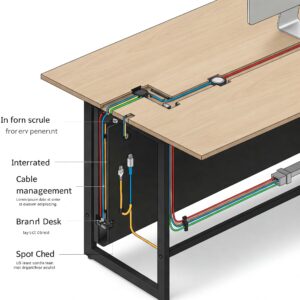
- Cable management solutions: Maintain the desk’s organic aesthetic by concealing technology cables and power supplies.
- Vertical organization: Utilize wall space with floating shelves or branch-inspired wall hooks to keep the desktop clear.
- Integrated solutions: Consider accessories designed specifically for your desk model if available.
Plants and Biophilic Elements
Enhance the nature-inspired quality of your branch desk with:
- Complementary plants: Select species that thrive in your light conditions and echo the organic quality of your desk.
- Natural textures: Incorporate additional natural elements through textiles, artwork, or decorative objects.
- Sensory considerations: Consider adding subtle natural scents through wood, plants, or essential oils to create a multi-sensory experience.
- Visual connection: Position your desk to capture views of outdoor spaces when possible, extending the nature connection.
Research from the International Journal of Environmental Research and Public Health indicates that workspaces incorporating multiple biophilic elements show compounding benefits for occupant wellbeing.
Spatial Arrangement
Position your branch desk thoughtfully within your space:
- Focal positioning: If your desk is a statement piece, consider giving it prominence as a room focal point.
- Flow consideration: Ensure the desk’s placement allows for comfortable movement around it.
- Background selection: Consider what will be behind you during video calls if this is a primary workspace.
- Energy alignment: In open spaces, position the desk according to principles that make you feel most productive and focused.
Care and Maintenance: Preserving Your Branch Desk’s Beauty
Quality branch desks represent a significant investment, and proper maintenance ensures they remain beautiful and functional for years to come. Different materials require specific care approaches:
Wood Components
For natural wood elements in your branch desk:
- Regular dusting: Use a soft, slightly damp cloth to remove dust particles that can scratch surfaces over time.
- Climate awareness: Maintain relatively stable humidity levels to prevent wood from expanding and contracting excessively.
- Appropriate cleaning: Use only cleaners specifically formulated for the type of wood finish on your desk.
- Sun protection: Position your desk away from direct sunlight, or use window treatments to prevent UV damage and uneven fading.
- Periodic conditioning: Apply appropriate wood conditioners or oils as recommended by the manufacturer to nourish the wood.
The Wood Database notes that different wood species have varying sensitivity to environmental factors, making it important to understand your specific desk’s material requirements.
Metal Elements
For branch desks with metal components:
- Fingerprint removal: Regularly wipe metal surfaces to remove oils from fingerprints that can cause corrosion over time.
- Appropriate cleaners: Use cleaning products designed for your specific metal type – what works for steel may damage bronze.
- Protective measures: Consider applying appropriate wax or protective coatings to bare metals that develop patina.
- Moisture awareness: Prevent water from standing on metal surfaces, which can lead to oxidation and damage.
Glass and Stone
For desks incorporating these materials:
- Proper glass cleaning: Use ammonia-free glass cleaners and microfiber cloths to prevent streaking and buildup.
- Stone sealing: If your desk includes natural stone elements, ensure they’re properly sealed and reseal periodically as recommended.
- Heat protection: Always use coasters or pads under hot items to prevent damage to these surfaces.
- Impact prevention: Protect edges from impacts, as these areas are most vulnerable to chipping and damage.
General Maintenance Best Practices
For all branch desks, regardless of material:
- Regular inspection: Periodically check all joints, connections, and stress points for signs of loosening or wear.
- Prompt attention to damage: Address any scratches, dents, or other damage quickly before they worsen.
- Weight limits: Respect the desk’s weight capacity, especially for suspended or cantilevered sections.
- Movement care: When relocating your desk, disassemble if possible rather than dragging or forcing it through tight spaces.
- Professional assistance: For significant repairs or refinishing, consult professionals familiar with your desk’s specific materials and construction.
According to Furniture Today, proper maintenance can extend furniture life by 15-20 years, making it not just an aesthetic consideration but an economic one as well.
DIY Branch Desk Projects: Creating Your Own Nature-Inspired Workspace
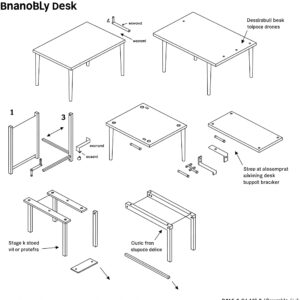
For those with woodworking skills and a desire for a truly unique piece, creating a DIY branch desk can be a rewarding project. Here’s guidance for approaching this creative endeavor:
Material Sourcing Considerations
Before beginning your DIY branch desk:
- Ethical gathering: If collecting branches yourself, obtain proper permissions and follow sustainable harvesting practices.
- Material preparation: Allow gathered wood to properly dry (typically 6-12 months depending on thickness) to prevent future warping or cracking.
- Quality assessment: Select branches with structural integrity, checking for signs of disease, excessive knots, or weakness.
- Complementary materials: Source quality materials for desktops, hardware, and finishes that will create a cohesive final piece.
The National Wildlife Federation recommends avoiding the collection of branches from environmentally sensitive areas and checking local regulations before harvesting natural materials.
Basic Project Approaches
Consider these approachable DIY branch desk methods:
1. Branch-Supported Slab Desk
This straightforward approach involves:
- Selecting a finished wood slab or creating a desktop from lumber
- Identifying sturdy branches that can serve as legs
- Creating stable connections between the desktop and branch supports
- Finishing all components for durability and visual cohesion
2. Branch-Accent Conventional Desk
For those seeking a more subtle approach:
- Begin with a conventional desk structure using standard lumber
- Incorporate branches as decorative elements, drawer pulls, or small supports
- Ensure all functional elements meet practical requirements
- Create visual integration between conventional and branch components
3. Branch-Frame Desk
This more advanced approach involves:
- Creating a framework from joined branches that forms the desk’s structure
- Adding a surface material (wood, glass, stone) atop the framework
- Ensuring structural stability through proper joinery and reinforcement
- Addressing practical considerations like leveling and weight distribution
Essential Skills and Tools
Successful DIY branch desk projects typically require:
- Woodworking fundamentals: Understanding of basic joinery, finishing techniques, and structural principles
- Specialized tools: Access to tools for working with irregular natural forms
- Patience: Willingness to work with the unpredictable nature of organic materials
- Problem-solving ability: Creativity in addressing the unique challenges of each branch
Safety and Practical Considerations
Before embarking on a DIY branch desk project:
- Stability testing: Thoroughly test all structural elements before completing the project
- Finish safety: Use food-safe or low-VOC finishes, especially for indoor furniture
- Pest prevention: Properly treat natural materials to prevent insect infestations
- Moisture management: Seal all surfaces to prevent moisture absorption and subsequent warping
💬 Ready to transform your workspace?
➡ The branch desks we’ve highlighted offer exceptional quality and design. Click on any highlighted product to check current pricing and availability – your perfect nature-inspired desk awaits!
Conclusion: Embracing Nature’s Design Through Branch Desks
Branch desks represent far more than just functional furniture – they embody a philosophy that recognizes the value of bringing natural elements into our daily environments. As we’ve explored throughout this guide, these distinctive pieces offer multiple benefits:
- They create visual interest through organic forms that break the monotony of conventional spaces
- They support biophilic design principles that have been shown to enhance wellbeing and productivity
- They often represent sustainable approaches to furniture, particularly when using reclaimed or responsibly sourced materials
- They provide opportunities for personal expression through unique, often one-of-a-kind pieces
In selecting a branch desk, you’re not simply choosing a work surface – you’re making a statement about your values, aesthetic sensibilities, and approach to creating harmony between functional needs and natural beauty. Whether you opt for an authentic branch creation showcasing wood in its natural form, a sophisticated interpretation of branch motifs through modern materials, or something in between, your choice contributes to a workspace that inspires and nurtures.
The growing popularity of branch desks reflects a broader cultural shift toward recognizing the importance of our connection to nature, even in our most functional spaces. By integrating these elements thoughtfully, we create environments that support not just our practical needs, but our emotional and psychological wellbeing.
As you consider the options presented in this guide, remember that the perfect branch desk is one that resonates with your personal aesthetic while supporting your specific work requirements. Whether you purchase a masterfully crafted piece or embark on creating your own, the result will be a workspace that tells a story, creates connection, and transforms everyday work into an experience grounded in nature’s enduring patterns.
More FAQs
❓ What price range should I expect for a quality branch desk?
✅ Quality branch desks typically range from $400-$3,500 depending on size, materials, and craftsmanship. Entry-level branch-inspired desks start around $400-$600, mid-range options with authentic branches or better materials range from $800-$1,500, while high-end artisanal pieces or luxury designer branch desks can exceed $3,000...
❓ Are branch desks sturdy enough for everyday use?
✅ Yes, properly constructed branch desks are engineered for durability and daily use. Quality branch desks undergo structural testing and use appropriate joinery techniques to ensure stability. Commercial-grade branch desks from reputable manufacturers offer weight capacities of 150-300 pounds, while artisanal pieces often feature reinforced connections at critical stress points...
❓ How do I clean and maintain a natural branch desk?
✅ Natural branch desks require gentle cleaning with a soft, slightly damp cloth and furniture-appropriate cleaners. Never use harsh chemicals that can damage finishes. Apply wood conditioner or appropriate oil 2-4 times yearly to prevent drying. Maintain consistent humidity levels (30-50%) to prevent cracking, and place desk away from direct sunlight and heat sources that can cause warping...
❓ Can branch desks be custom-sized for my specific space?
✅ Many branch desk manufacturers offer customization options for size, configuration, and features. Custom sizing typically adds 15-30% to the base price and extends delivery timeframes by 3-8 weeks. Artisanal makers often specialize in made-to-order pieces tailored to specific spaces, while larger manufacturers may offer modular systems that can be configured to various dimensions...
❓ What's the typical lifespan of a branch desk compared to conventional office furniture?
✅ Quality branch desks often outlast conventional office furniture, with premium pieces lasting 20-30+ years with proper care. While mass-produced laminate desks typically last 5-10 years, solid wood branch desks develop character with age and can become heirloom pieces. The longevity depends on construction quality, material selection, and maintenance, making higher initial investments in well-crafted branch desks more economical over time...
Recommended for You
- 10 Essential Standing Teacher Desk Options For Enhanced Classroom Productivity in 2025
- 10 Best Pneumatic Standing Desk Options For Effortless Adjustability in 2025
- 10 Best Desk Edge Protector Solutions for Ultimate Comfort and Safety in 2025
Disclaimer: This article contains affiliate links. If you purchase products through these links, we may earn a small commission at no additional cost to you.
✨ Found this helpful? Share it with your friends! 💬🤗