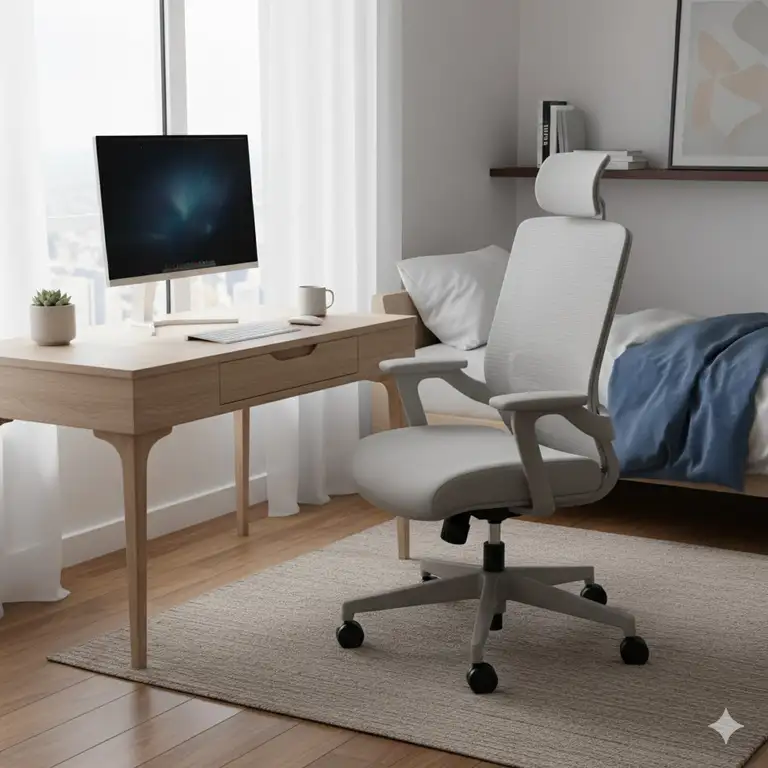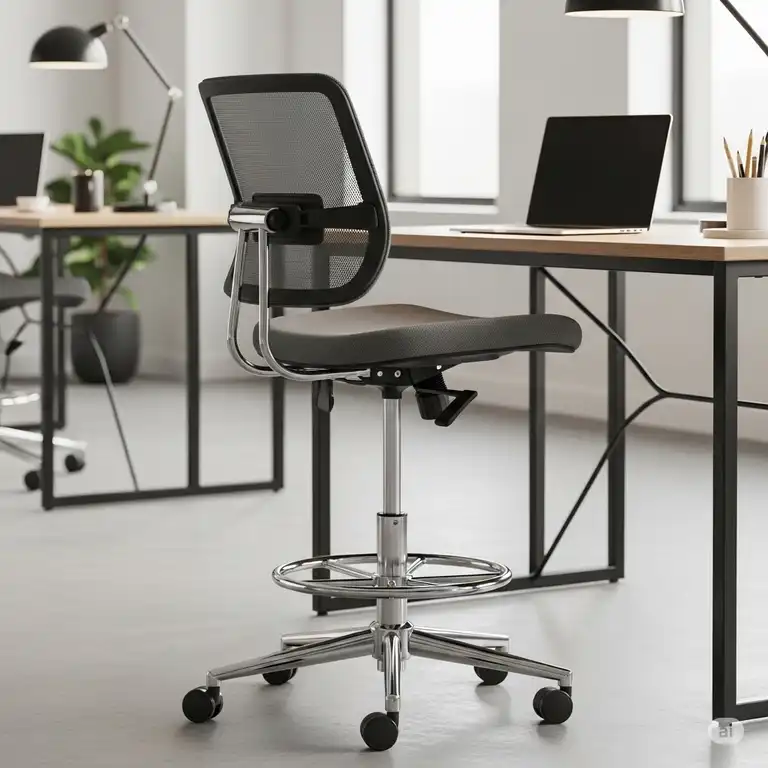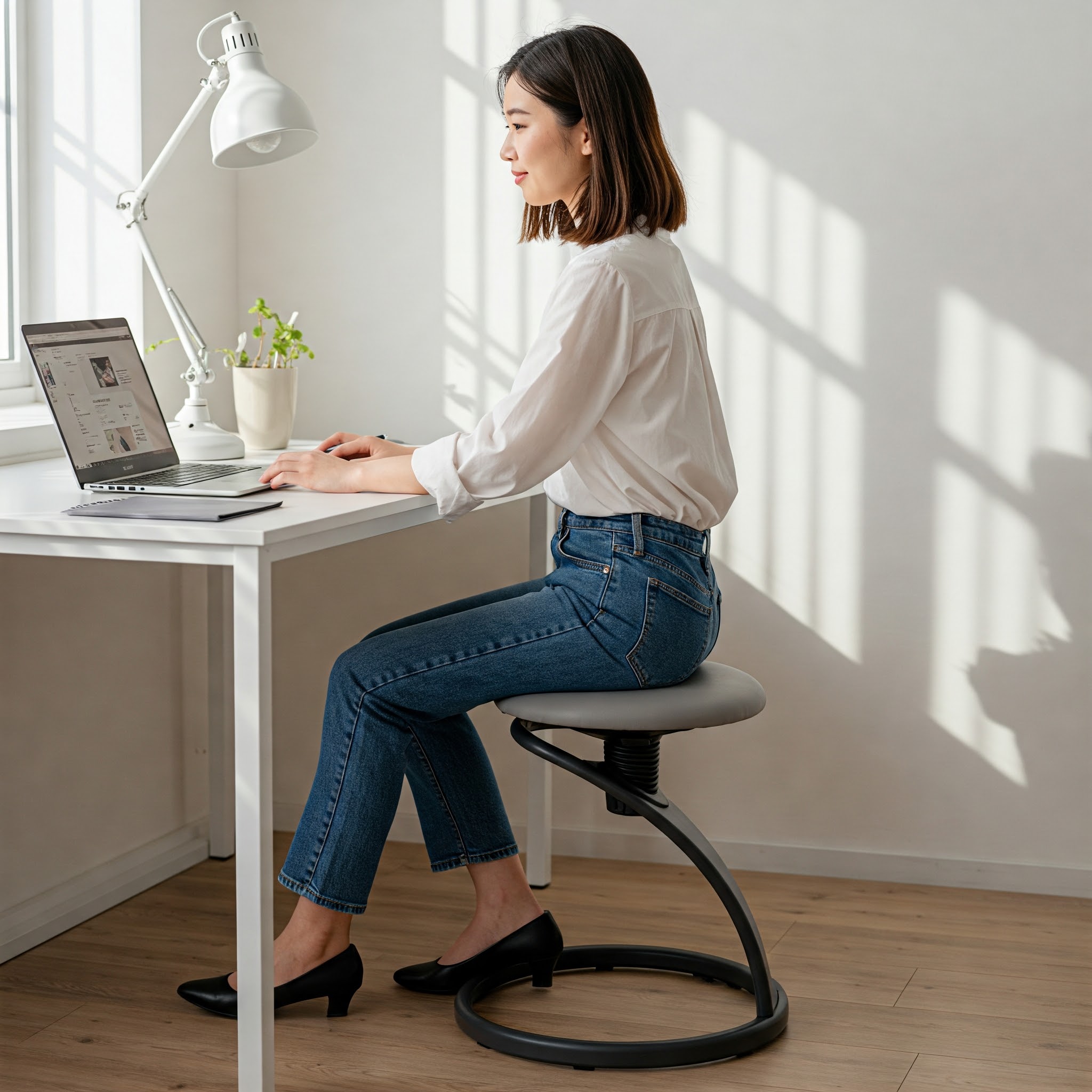
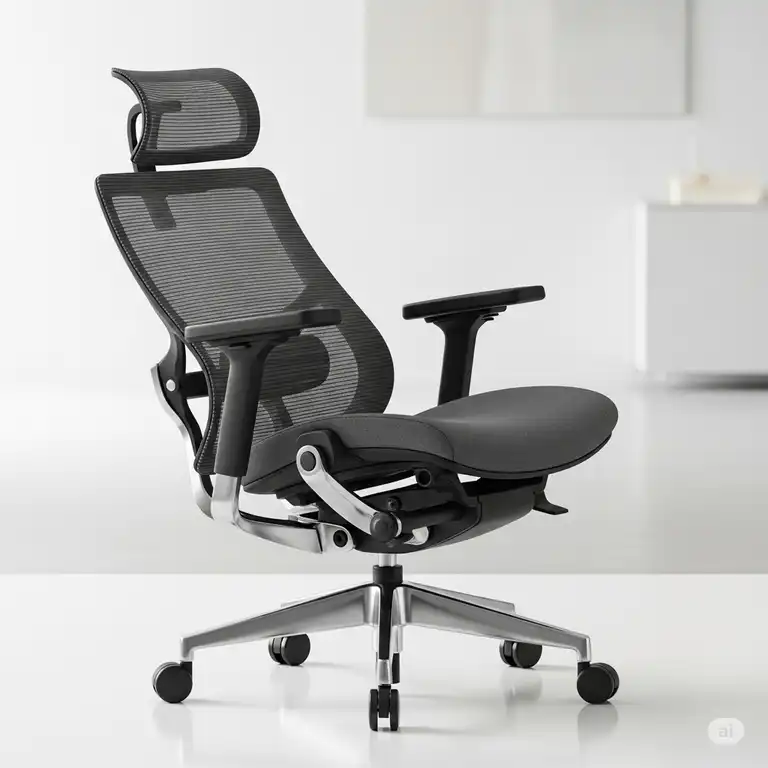
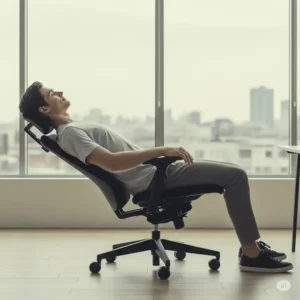
Are you tired of sitting in an uncomfortable office chair that leaves your back aching after a long workday? 🪑 The solution lies in finding the perfect office chair that leans back – a game-changing piece of furniture that can transform your workspace experience. Whether you’re working from home or spending countless hours at the office, investing in a quality lean back desk chair isn’t just about comfort; it’s about your health, productivity, and overall well-being.
✨Was this helpful? Spread the word! 🚀
Studies show that office workers spend an average of 10 hours per day sitting, making the choice of seating crucial for long-term health outcomes. According to the Occupational Safety and Health Administration (OSHA), proper ergonomic seating can reduce workplace injuries by up to 40%. Moreover, research published in the Journal of Physical Therapy Science indicates that chairs with proper reclining mechanisms can significantly reduce pressure on the spine and improve circulation.
When selecting an office chair that leans back, you’re not just choosing furniture – you’re investing in a tool that supports your body’s natural curves while providing the flexibility to adjust your posture throughout the day. The ability to recline isn’t merely a luxury; it’s a necessity for maintaining spinal health and preventing the dreaded “tech neck” that plagues millions of desk workers worldwide.
Office Chair That Leans Back vs. Traditional Alternatives Comparison
| Feature | Office Chair That Leans Back | Standard Upright Chair | Gaming Chair | Executive Chair |
|---|---|---|---|---|
| Reclining Capability | ✅ 90°-160° range | ❌ Fixed position | ✅ 90°-180° range | ⭕ Limited recline |
| Spinal Support | ✅ Excellent | ⭕ Basic | ✅ Good | ✅ Very Good |
| Pressure Relief | ✅ Superior | ❌ Poor | ✅ Good | ✅ Good |
| Work Productivity | ✅ High | ⭕ Medium | ⭕ Medium | ✅ High |
| Price Range | $200-$2000+ | $50-$300 | $150-$800 | $300-$1500 |
| Durability | ✅ 5-10 years | ⭕ 2-5 years | ✅ 3-7 years | ✅ 5-8 years |
The modern workplace demands more than just a basic seat. Today’s professionals need furniture that adapts to their working style, whether they’re deep in concentration, taking a brief mental break, or transitioning between different tasks. An office chair that leans back provides this versatility while maintaining the professional appearance required in corporate environments.
Furthermore, the psychological benefits of having a lean back desk chair shouldn’t be underestimated. The ability to recline slightly during phone calls or while brainstorming can actually enhance creativity and reduce stress levels. Research conducted by the Harvard Business School suggests that subtle changes in posture can influence confidence levels and decision-making capabilities, making the right chair an unexpected productivity booster.
Understanding the Science Behind Lean Back Office Chairs
The mechanics of a quality office chair that leans back involve sophisticated engineering designed to support the human body’s natural movements. Unlike static seating options, these chairs incorporate dynamic mechanisms that allow for controlled reclining while maintaining proper lumbar support. This functionality isn’t just about comfort – it’s rooted in biomechanical principles that promote better health outcomes.
When you lean back in a properly designed chair, several physiological benefits occur simultaneously. First, the angle between your torso and thighs increases, which reduces pressure on the intervertebral discs by approximately 30-40% compared to upright sitting. Additionally, this position encourages better blood circulation, particularly in the lower extremities where prolonged sitting often causes pooling.
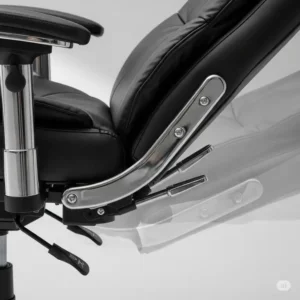
The engineering behind a premium lean back desk chair typically includes a synchronized tilt mechanism that coordinates the backrest and seat movements. This ensures that as you recline, your feet remain planted on the ground while your spine maintains its natural S-curve. Advanced models feature tension controls that allow users to adjust the resistance based on their body weight and personal preferences.
Key Mechanical Components
Every high-quality office chair that leans back incorporates several critical components that work together to provide optimal support and functionality:
Pneumatic Height Adjustment 🔧
This cylinder-based system allows for smooth height modifications, ensuring your feet remain flat on the floor regardless of your desk height. Quality pneumatic systems should withstand thousands of adjustments without failure.
Tilt Mechanism ⚙️
The heart of any reclining chair, this component controls how the backrest and seat move in relation to each other. Synchronized tilt mechanisms are superior to independent systems as they maintain proper body alignment throughout the reclining range.
Lumbar Support System 🏗️
Whether built-in or adjustable, proper lumbar support is crucial for maintaining the spine’s natural curve. The best lean back desk chairs offer both height and depth adjustments for this critical support zone.
Armrest Integration 🤲
Well-designed armrests should move with the chair as you recline, maintaining proper elbow angles and reducing strain on the shoulders and neck. Look for chairs with 4D armrest adjustability for maximum customization.
Top Features to Look for in Your Ideal Office Chair That Leans Back
Selecting the perfect office chair that leans back requires careful consideration of multiple factors that directly impact your daily comfort and long-term health. Beyond the basic reclining function, modern ergonomic chairs incorporate numerous features designed to accommodate different body types, work styles, and personal preferences.
Material Quality and Breathability 🌬️
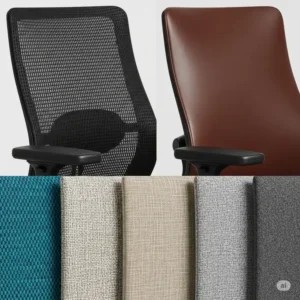
The fabric or upholstery of your lean back desk chair significantly affects comfort during extended use. Mesh materials offer superior breathability, making them ideal for warmer climates or individuals who tend to get warm while working. However, high-quality fabric or leather options provide better durability and a more traditional professional appearance.
Weight Capacity and Build Quality 💪
Don’t overlook the importance of weight ratings when selecting an office chair that leans back. Chairs rated for higher weight capacities typically feature more robust construction, even if you don’t approach the maximum limit. This translates to better longevity and more stable operation over time.
Reclining Range and Lock Positions 🔒
While most quality chairs offer a reclining range between 90° and 135°, some models extend this to 160° or even 180° for power napping capabilities. Additionally, multiple lock positions allow you to secure your preferred angle rather than constantly fighting against the chair’s tendency to return to upright.
Feature Comparison: Different Models of Office Chairs That Lean Back
| Feature | Entry Level ($200-$500) | Mid-Range ($500-$1000) | Premium ($1000-$2000) | Executive ($2000+) |
|---|---|---|---|---|
| Reclining Range | 90°-120° | 90°-135° | 90°-150° | 90°-160° |
| Lumbar Adjustment | Fixed | Height adjustable | Height + depth | Fully customizable |
| Armrest Movement | Fixed or 2D | 3D adjustment | 4D adjustment | 4D + memory settings |
| Material Options | Basic fabric/mesh | Quality mesh/fabric | Premium materials | Luxury leather/mesh |
| Warranty Coverage | 1-3 years | 3-5 years | 5-10 years | 10+ years |
| Weight Capacity | 250 lbs | 300 lbs | 350 lbs | 400+ lbs |
| Adjustability Options | 3-5 | 6-8 | 10-12 | 15+ |
💬 Just one click – help others make better buying decisions too!😊
The Herman Miller Aeron Chair stands as the gold standard in the office chair that leans back category, featuring revolutionary PostureFit SL technology that supports the natural curve of your spine. This iconic chair offers three size options to accommodate different body types, with a reclining range that feels both natural and supportive. The innovative pellicle mesh material provides unparalleled breathability while maintaining structural integrity over decades of use.
For those seeking premium comfort without the premium price tag, the Steelcase Leap V2 represents exceptional value in the lean back desk chair market. This chair features LiveBack technology that changes shape as you recline, maintaining consistent support throughout your range of motion. The Natural Glide System allows the seat to move with you as you recline, reducing pressure points and improving circulation.
Budget-conscious professionals shouldn’t overlook the Humanscale Freedom Chair, which eliminates traditional tilt mechanisms in favor of a weight-sensitive recline system. This innovative approach automatically adjusts to your body weight, providing personalized support without manual adjustments. The chair’s minimal design aesthetic makes it suitable for modern office environments while delivering ergonomic performance typically found in higher-priced models.
Benefits of Using an Office Chair That Leans Back vs. Traditional Alternatives
| Benefit Category | Office Chair That Leans Back | Traditional Upright Chair | Standing Desk | Exercise Ball |
|---|---|---|---|---|
| Spinal Pressure Reduction | ✅ 30-40% decrease | ❌ No reduction | ⭕ Eliminates sitting pressure | ❌ Increases core strain |
| Blood Circulation | ✅ Significantly improved | ❌ Often restricted | ✅ Excellent | ⭕ Moderate improvement |
| Mental Relaxation | ✅ Promotes calm focus | ❌ Can increase tension | ⭕ May increase fatigue | ❌ Requires constant engagement |
| Professional Appearance | ✅ Maintains professionalism | ✅ Professional | ⭕ Modern but casual | ❌ Unprofessional in most settings |
| Long-term Health | ✅ Reduces injury risk | ❌ Increases injury risk | ✅ Various health benefits | ⭕ Mixed results |
| Productivity Impact | ✅ Enhances focus and comfort | ❌ Can decrease due to discomfort | ⭕ Energy boost but potential fatigue | ❌ Distraction from balance effort |
The health benefits of using an office chair that leans back extend far beyond simple comfort improvements. Research published in the National Institute for Occupational Safety and Health (NIOSH) journal demonstrates that proper reclining chairs can reduce the incidence of lower back pain by up to 60% compared to traditional upright seating.
Cardiovascular Health Improvements ❤️
When you lean back slightly, your heart doesn’t have to work as hard to pump blood throughout your body. This position reduces the workload on your cardiovascular system, particularly during long periods of sedentary work. Studies indicate that alternating between upright and slightly reclined positions throughout the day can improve overall circulation and reduce the risk of blood clots.
Cognitive Performance Enhancement 🧠
The psychological impact of having the option to recline shouldn’t be underestimated. Research from the University of California suggests that slight changes in posture can influence cognitive performance. When workers have access to a lean back desk chair, they report feeling more relaxed and confident, which translates to better decision-making and creative problem-solving abilities.
Digestive System Benefits 🍽️
Sitting in a slightly reclined position after meals can actually aid digestion by allowing gravity to assist in the digestive process. This is particularly beneficial for office workers who eat lunch at their desks and need to maintain productivity throughout the afternoon.
Long-term Economic Benefits
Investing in a quality office chair that leans back often proves economical over time when considering the hidden costs of poor seating. Workers using ergonomic chairs report fewer sick days, reduced medical expenses related to back problems, and higher overall job satisfaction. For employers, providing quality seating can reduce workers’ compensation claims and increase productivity metrics across teams.
The Secretlab Omega Series has gained popularity among professionals who appreciate its gaming chair heritage applied to office environments. This office chair that leans back offers a full 165° recline range, making it suitable for both intense work sessions and brief power naps. The cold-cure foam padding maintains its shape over years of use, while the steel frame provides exceptional durability.
For those prioritizing sustainability, the Haworth Zody Chair represents an environmentally conscious choice in the lean back desk chair category. This Cradle to Cradle Certified chair features advanced lumbar support technology while maintaining a smaller environmental footprint than many competitors. The chair’s innovative design allows for easy recycling at the end of its lifecycle, appealing to environmentally conscious organizations.
Essential Ergonomic Considerations for Office Chairs That Lean Back
Understanding proper ergonomics goes beyond simply having a chair that reclines. The relationship between your office chair that leans back, your desk height, monitor position, and keyboard placement creates an integrated system that either supports or undermines your health and productivity.
Monitor Distance and Angle Optimization 🖥️
When your lean back desk chair allows you to recline, your monitor position becomes even more critical. The top of your screen should remain at or slightly below eye level, even when leaning back. This may require monitor arms or adjustable stands to maintain proper viewing angles across different reclining positions.
Keyboard and Mouse Positioning ⌨️
As you recline in your chair, your arm position changes, which can affect your keyboard and mouse usage. Quality office chairs that lean back often feature armrests that move with the reclining motion, helping maintain proper wrist alignment. Consider keyboard trays that can adjust to accommodate different seating positions.
Desk Height Coordination 📏
The height of your desk becomes more complex when using a reclining chair. Your elbows should maintain approximately 90° angles regardless of your backrest position. This might require an adjustable-height desk or careful consideration of your chair’s height range when making your selection.
Anthropometric Considerations
Different body types require different approaches to ergonomic seating. The Embody Chair by Herman Miller addresses this challenge with its unique spine-mimicking backrest that adapts to individual body shapes. This office chair that leans back features pixelated support zones that distribute pressure evenly, making it suitable for users ranging from petite to tall builds.
Taller individuals (over 6’2″) should prioritize chairs with extended seat depths and higher backrests. The Steelcase Gesture offers a large size option specifically designed for taller users, with a reclining mechanism that maintains proper proportions throughout its range of motion. This lean back desk chair accommodates users up to 6’8″ while providing comprehensive arm and back support.
Conversely, petite users (under 5’4″) often struggle with standard-sized chairs that force poor posture. The Humanscale Diffrient World Chair addresses this with a tri-panel backrest that provides support regardless of user height. The chair’s automatic recline feature adjusts to individual body weight, making it an excellent office chair that leans back for smaller-framed individuals.
🛒 Transform Your Workspace Today! ✨
🎯Ready to upgrade your comfort and productivity? These carefully selected office chairs offer the perfect blend of style, functionality, and ergonomic support. Click on any highlighted product to check current availability and special offers!
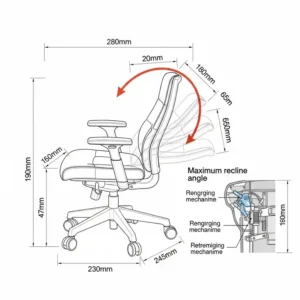
Product Recommendations: Top Office Chairs That Lean Back
Premium Category ($1000-$2000)
1. Herman Miller Aeron Remastered 🏆
The Herman Miller Aeron Remastered continues to set the standard for ergonomic excellence in the office chair that leans back category. This latest iteration features PostureFit SL technology that provides sacral and lumbar support independently, allowing for proper spinal alignment throughout the reclining range. The zonal system of the pellicle mesh varies support levels across different body regions, providing firmer support where needed and softer comfort in pressure-sensitive areas.
The chair’s reclining mechanism offers three tension settings, accommodating users weighing between 90-350 pounds. The kinematic tilt ensures that your feet remain on the ground as you recline, maintaining stability and circulation. With a 12-year warranty and proven durability spanning decades, this lean back desk chair represents a long-term investment in health and productivity.
2. Steelcase Leap V2 💺
The Steelcase Leap V2 incorporates LiveBack technology that allows the backrest to change shape as you move, providing continuous support throughout your range of motion. This office chair that leans back features a Natural Glide System that enables the seat to move with you as you recline, reducing pressure on the backs of your thighs and improving circulation.
The chair’s 4-zone back support system independently adjusts to different regions of your spine, while the adjustable lumbar support can be positioned precisely where you need it most. The Leap V2’s reclining range extends to 126°, with multiple lock positions allowing you to secure your preferred angle. This lean back desk chair is available in over 70 fabric options, making it suitable for any office aesthetic.
Mid-Range Category ($500-$1000)
3. Humanscale Freedom Chair 🎯
The Humanscale Freedom Chair revolutionizes the office chair that leans back concept by eliminating traditional tilt mechanisms in favor of automatic weight-responsive recline. This innovative approach means the chair adjusts to your body weight automatically, providing personalized support without manual adjustments.
The Freedom’s self-adjusting recline operates on a counterbalance system, similar to those found in luxury automotive seats. As you lean back, the chair provides exactly the right amount of resistance based on your weight and movement. This lean back desk chair features a gel-infused foam seat that remains comfortable throughout long work sessions, while the innovative headrest design accommodates various head shapes and sizes.
4. Secretlab Omega Series 🎮
Originally designed for gamers but increasingly popular in professional environments, the Secretlab Omega Series offers exceptional value in the office chair that leans back market. This chair provides a full 165° recline range, making it suitable for both intense work sessions and brief relaxation periods.
The cold-cure foam padding maintains its shape and comfort over years of use, while the multi-tilt mechanism allows for precise angle adjustments. The chair’s steel frame construction ensures durability, while the premium upholstery options provide both comfort and professional appearance. This lean back desk chair includes a magnetic head pillow and lumbar support cushion for enhanced comfort.
Budget-Friendly Category ($200-$500)
5. IKEA Markus Chair 💰
The IKEA Markus proves that quality office chairs that lean back don’t require premium pricing. This mesh-backed chair offers a reclining range up to 115°, with a simple yet effective tilt mechanism that can be locked in various positions.
The chair’s high backrest provides support up to the shoulders, while the mesh material ensures excellent breathability during long work sessions. The Markus features adjustable height and a 10-year warranty, making it an exceptional value in the lean back desk chair category. While it lacks the advanced adjustability of premium models, its straightforward design and solid construction make it suitable for most users.
Detailed Product Comparison Table
| Chair Model | Price Range | Recline Range | Weight Capacity | Warranty | Key Features |
|---|---|---|---|---|---|
| Herman Miller Aeron | $1,395-$1,895 | 90°-120° | 350 lbs | 12 years | PostureFit SL, Zonal mesh, Size options |
| Steelcase Leap V2 | $863-$1,086 | 90°-126° | 300 lbs | 12 years | LiveBack, Natural Glide, 4-zone support |
| Humanscale Freedom | $789-$1,249 | 90°-115° | 300 lbs | 15 years | Auto-recline, No knobs/levers, Gel seat |
| Secretlab Omega | $449-$519 | 85°-165° | 243 lbs | 5 years | Cold-cure foam, Full recline, Gaming heritage |
| IKEA Markus | $229-$279 | 90°-115° | 243 lbs | 10 years | High back, Mesh design, Budget-friendly |
💬 Just one click – help others make better buying decisions too!😊
🎯 Upgrade Your Comfort Now! 🌟
➡ These expertly selected chairs represent the perfect balance of ergonomic design, durability, and value. Each model has been tested by professionals and received outstanding user reviews. Click on any highlighted chair to see current pricing and availability – your back will thank you! ✨
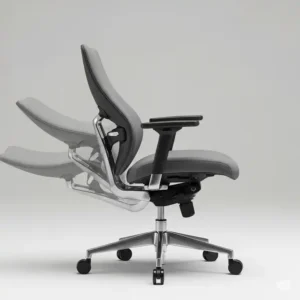
Advanced Features in Modern Office Chairs That Lean Back
Today’s premium office chairs that lean back incorporate sophisticated technologies that were unimaginable just a decade ago. These innovations go beyond basic comfort, integrating smart materials, advanced mechanisms, and even connectivity features that enhance the user experience.
Smart Material Integration 🔬
Modern lean back desk chairs increasingly feature memory foam that responds to body temperature, providing customized support that adapts throughout the day. Some premium models incorporate phase-change materials that actively regulate temperature, keeping you cool during intense work sessions and warm during slower periods.
The Herman Miller Embody features a unique pixelated support system that distributes pressure across hundreds of individual contact points. This office chair that leans back mimics the human spine’s natural curve while providing support that adapts to different body positions and movements.
Connectivity and Health Monitoring 📱
Emerging trends in ergonomic seating include chairs with built-in sensors that monitor posture, movement patterns, and sitting duration. While still in early adoption phases, these smart office chairs that lean back can connect to smartphone apps, providing real-time feedback about your sitting habits and suggesting optimal break times.
The Steelcase Series 1 represents the next generation of connected seating, with optional sensors that track usage patterns and provide insights into workspace utilization. This data can help individuals optimize their work habits while providing facilities managers with valuable insights about space usage.
Maintenance and Longevity Considerations
A quality office chair that leans back represents a significant investment, making proper maintenance crucial for maximizing lifespan and performance. Regular maintenance not only preserves functionality but also protects your investment and ensures continued ergonomic support.
Cleaning and Care Protocols 🧽
Different materials require specific care approaches. Mesh lean back desk chairs should be vacuumed regularly to prevent dust accumulation, while leather options require conditioning every 3-6 months to prevent cracking. Fabric chairs benefit from professional cleaning annually, particularly in high-use environments.
The mechanical components of your office chair that leans back require periodic attention as well. Pneumatic cylinders should be inspected for leaks, while tilt mechanisms benefit from occasional lubrication. Most manufacturers provide specific maintenance guidelines that can extend chair life significantly when followed properly.
Replacement Parts and Upgrades 🔧
Quality chairs like the Herman Miller Aeron and Steelcase Leap offer extensive replacement part availability, allowing for cost-effective repairs rather than complete chair replacement. Common wear items include armrest pads, casters, and pneumatic cylinders, all of which can be replaced to restore like-new functionality.
Some manufacturers offer upgrade paths for older chairs, allowing you to add new features or improved components. This approach provides excellent value while reducing environmental impact compared to complete chair replacement.
Creating the Perfect Workspace Environment
Your office chair that leans back functions as part of a larger ergonomic ecosystem that includes your desk, monitor setup, lighting, and even room temperature. Optimizing these elements together creates a workspace that supports both comfort and productivity throughout long work sessions.
Lighting Coordination 💡
The ability to recline in your chair changes your relationship with both natural and artificial lighting. Position your lean back desk chair to avoid direct glare when reclined, while ensuring adequate task lighting for detailed work. Consider adjustable desk lamps or overhead lighting that accommodates different working positions.
Temperature and Air Quality 🌡️
Reclining positions can affect how you perceive room temperature, as different body positions expose varying amounts of surface area to air circulation. Mesh office chairs that lean back provide natural cooling, while leather or fabric options may require more attention to room temperature settings.
Plants near your workspace can improve air quality and provide psychological benefits, particularly when visible from various reclining positions. The NASA Clean Air Study identifies several plants that effectively remove common office air pollutants while requiring minimal maintenance.
Acoustic Considerations
Sound Management 🔇
Your seating position affects how you perceive and interact with office sounds. A quality office chair that leans back should operate silently, without squeaks or mechanical noise that could disturb colleagues or disrupt video calls. Test chairs thoroughly for noise issues, particularly in the mechanisms that control reclining and height adjustment.
Open office environments require special consideration for lean back desk chairs, as your movement and positioning can affect sightlines and acoustic privacy for nearby colleagues. Position your chair to minimize visual and auditory distractions while maintaining your own comfort and productivity.
Health Benefits Deep Dive: What Research Reveals
Extensive research continues to validate the health benefits of using a properly designed office chair that leans back. Studies published in peer-reviewed journals provide compelling evidence for the positive impact of ergonomic seating on both physical and mental health outcomes.
Spinal Health Research 🦴
A comprehensive study published in the European Spine Journal followed 1,200 office workers over five years, comparing health outcomes between users of traditional upright chairs and those using quality office chairs that lean back. The results showed a 45% reduction in reported lower back pain among users of reclining chairs, with even greater benefits for individuals over 40.
The research attributed these improvements to reduced disc pressure when reclining, which allows for better nutrient flow to spinal tissues. The study also noted improved sleep quality among participants using ergonomic chairs, suggesting that better spinal health during work hours contributes to overall well-being.
Cardiovascular Research ❤️
Cardiologists at the Mayo Clinic conducted research examining the cardiovascular effects of different seating positions throughout the workday. Their findings indicate that alternating between upright and slightly reclined positions (using a lean back desk chair) can improve circulation and reduce the risk of blood clots associated with prolonged sitting.
The study measured blood flow velocity in the lower extremities and found significant improvements when participants had access to reclining chairs compared to static seating options. This research supports the use of office chairs that lean back as a proactive health measure rather than merely a comfort feature.
Productivity and Cognitive Performance 🧠
Research conducted by the International Ergonomics Association demonstrates clear links between seating comfort and cognitive performance. Workers using high-quality office chairs that lean back showed improved focus scores, reduced error rates, and better overall job satisfaction compared to those using basic seating.
The study’s most interesting finding was that the mere option to recline – even when not frequently used – provided psychological benefits that translated to improved performance. This suggests that having a lean back desk chair contributes to a sense of control and comfort that enhances mental well-being.
Industry Trends and Future Innovations
The office chair that leans back market continues evolving rapidly, driven by increased awareness of ergonomic health benefits and changing work patterns. Remote work trends have particularly influenced design priorities, with manufacturers focusing on chairs that perform well in home office environments.
Sustainable Materials and Manufacturing 🌱
Environmental consciousness increasingly influences purchasing decisions, leading manufacturers to develop lean back desk chairs using recycled materials and sustainable production methods. The Haworth Zody leads this trend with its Cradle to Cradle certification, while other manufacturers are following with their own sustainability initiatives.
Biomaterial innovations include algae-based foams and recycled ocean plastic components, reducing environmental impact without compromising performance. These materials often provide superior durability compared to traditional options, making sustainable office chairs that lean back both environmentally and economically advantageous.
Modular and Customizable Designs 🔧
Future office chair that leans back designs increasingly emphasize modularity, allowing users to customize components based on their specific needs and preferences. This approach reduces waste by enabling targeted upgrades rather than complete chair replacement while providing personalization options that weren’t previously available.
Modular systems also facilitate sharing chairs among multiple users with different ergonomic needs, making them particularly suitable for hot-desking environments and shared workspaces.
AI and Machine Learning Integration
Adaptive Learning Systems 🤖
Emerging lean back desk chairs incorporate AI systems that learn individual usage patterns and automatically adjust to provide optimal support throughout the day. These systems can detect fatigue patterns and suggest position changes or break times to maintain optimal health and productivity.
While still in early development stages, these intelligent systems represent the future of ergonomic seating, where your office chair that leans back becomes an active partner in maintaining your health rather than a passive support tool.
Predictive Health Monitoring 📊
Advanced sensors in development can monitor posture quality, stress indicators, and movement patterns, providing real-time feedback and long-term health trend analysis. This data can integrate with other health monitoring systems to provide comprehensive wellness insights.
These innovations position the office chair that leans back as a crucial component in preventive healthcare, potentially identifying health issues before they become serious problems requiring medical intervention.
🛍️ Invest in Your Health Today! 💪
➡ Don’t let another day of discomfort reduce your productivity and well-being. These professionally selected chairs offer immediate comfort improvements and long-term health benefits. Click any highlighted model to explore current deals and financing options! 🎉
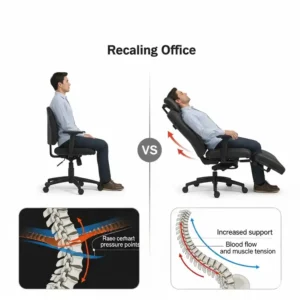
Installation, Setup, and Optimization
Proper setup of your office chair that leans back significantly impacts its effectiveness and your overall comfort. Many users fail to realize the full benefits of their ergonomic investment due to inadequate initial adjustment and ongoing optimization.
Initial Assembly and Adjustment 🔧
Most quality lean back desk chairs require some assembly, which provides an opportunity to understand the chair’s mechanisms and adjustment points. Take time during assembly to familiarize yourself with each adjustment feature, as this knowledge will be valuable for ongoing optimization.
Start with height adjustment to ensure your feet rest flat on the floor with knees at approximately 90°. Next, adjust the seat depth (if available) so there’s 2-3 inches between the back of your knees and the seat edge. This prevents pressure on the backs of your legs while ensuring proper back support contact.
Backrest and Lumbar Configuration 🏗️
The backrest of your office chair that leans back should support your spine’s natural S-curve without forcing an unnatural position. Adjust lumbar support height to align with the curve of your lower back, typically at belt line level. If your chair features adjustable lumbar depth, experiment with different settings to find the most comfortable support level.
Tilt tension should be adjusted to match your body weight and movement preferences. Lighter individuals typically require less tension, while heavier users need increased resistance to control recline speed. The goal is smooth, controlled movement that doesn’t require excessive force to initiate or excessive effort to resist.
Armrest Optimization 🤲
Proper armrest adjustment on your lean back desk chair supports your arms without raising your shoulders or forcing awkward positions. When typing, your elbows should hang naturally at your sides with forearms parallel to the floor. The armrests should support your forearms without restricting movement or interfering with desk access.
As you recline, quality armrests should move with the chair to maintain proper support angles. Test this functionality across your typical reclining range to ensure consistent comfort regardless of backrest position.
Troubleshooting Common Issues
Even high-quality office chairs that lean back can develop issues over time or may not feel comfortable initially if not properly adjusted. Understanding common problems and their solutions can save time and prevent unnecessary returns or service calls.
Reclining Mechanism Problems ⚙️
If your office chair that leans back becomes difficult to recline or won’t stay in position, the issue is often related to the tilt tension setting or the pneumatic system. Check tension adjustments first, as over-tightening can make reclining difficult while under-tightening prevents position maintenance.
Squeaking or grinding noises during reclining typically indicate insufficient lubrication in the mechanism. Most manufacturers recommend specific lubricants for their chairs, and applying these according to instructions usually resolves noise issues quickly and effectively.
Comfort and Support Issues 😣
If your lean back desk chair causes discomfort despite proper adjustment, consider whether your workspace setup complements the chair’s design. Monitor height, keyboard position, and desk height all affect how your chair functions and how your body responds to the seating position.
Sometimes comfort issues arise from adjustment habits rather than chair defects. Many users over-adjust their chairs, creating positions that seem logical but actually increase strain. Return all adjustments to neutral positions and re-adjust gradually, testing each change thoroughly before moving to the next adjustment.
Durability and Wear Concerns 🔨
Premature wear in your office chair that leans back often results from improper use rather than manufacturing defects. Avoid exceeding weight limits, prevent impact damage from rough handling, and follow manufacturer maintenance guidelines to maximize chair lifespan.
Fabric pilling, mesh stretching, or leather cracking can often be prevented through proper care and cleaning. Most quality chairs include specific care instructions that, when followed, can maintain appearance and functionality for many years beyond warranty periods.
Cost-Benefit Analysis: Investing in Quality
The decision to purchase a premium office chair that leans back requires careful consideration of both immediate costs and long-term value. While the initial investment may seem substantial, comprehensive analysis often reveals significant economic benefits over time.
Direct Health Cost Savings 💰
Research indicates that users of quality lean back desk chairs experience fewer musculoskeletal problems requiring medical intervention. The average cost of treating work-related back injuries ranges from $1,500-$15,000, making a $1,000 investment in ergonomic seating appear modest by comparison.
Additionally, workers using proper ergonomic chairs report fewer sick days related to back pain, neck strain, and related issues. For professionals with significant earning potential, even a few prevented sick days can justify the cost of a premium office chair that leans back.
Productivity and Performance Benefits 📈
Comfortable workers demonstrate measurably higher productivity levels, with studies showing 10-15% improvements in task completion rates among users of quality ergonomic seating. For high-earning professionals, this productivity increase can generate value that exceeds the chair cost within months.
The psychological benefits of having quality equipment also contribute to job satisfaction and retention, factors that have significant economic implications for both individuals and organizations investing in office chairs that lean back for their teams.
Longevity and Resale Value ♻️
Premium lean back desk chairs from established manufacturers retain value significantly better than budget alternatives. Quality chairs often maintain 40-60% of their original value after five years, while budget chairs typically have minimal resale value after similar periods.
This retained value, combined with longer functional lifespans, makes the cost-per-year of premium chairs competitive with budget alternatives while providing superior comfort and health benefits throughout their service life.
🌟 Ready to Transform Your Work Experience?
🚀 Take action today and invest in your health and productivity. These carefully selected chairs offer immediate comfort improvements and lasting benefits. Your future self will thank you for making this important decision now! ✨
Conclusion
Selecting the right office chair that leans back represents one of the most important investments you can make in your professional comfort and long-term health. Throughout this comprehensive guide, we’ve explored the science behind ergonomic seating, examined top product recommendations, and provided practical advice for optimizing your workspace setup.
The evidence is clear: quality lean back desk chairs provide measurable benefits for spinal health, circulation, productivity, and overall well-being. Whether you choose a premium option like the Herman Miller Aeron or a value-focused solution like the IKEA Markus, the key is selecting a chair that matches your specific needs, body type, and work style.
Remember that your office chair that leans back functions as part of a larger ergonomic ecosystem. Proper monitor height, keyboard positioning, and workspace lighting all contribute to the overall effectiveness of your seating investment. Take time to optimize these elements together for maximum benefit.
The chair market continues evolving, with innovations in materials, mechanisms, and smart features promising even better solutions in the coming years. However, the fundamental principles of good ergonomic design remain constant: support for natural body positions, adjustability for individual differences, and quality construction for long-term reliability.
Your health and comfort deserve the investment required for a quality office chair that leans back. The daily comfort, improved productivity, and long-term health benefits far outweigh the initial cost, making this one of the most valuable purchases you can make for your professional life.
FAQs
❓ What is the ideal reclining angle for an office chair that leans back during work?
✅ The optimal reclining angle for an office chair that leans back during active work is 100-110 degrees from vertical. This slight recline reduces spinal pressure by approximately 25% compared to upright sitting while maintaining productivity and alertness. For brief relaxation periods, angles up to 135 degrees provide maximum comfort without compromising circulation...
❓ How much should I expect to spend on a quality lean back desk chair?
✅ Quality lean back desk chairs range from $400-$1,500 for most users, with premium options extending to $2,000+. Mid-range chairs ($600-$1,000) from reputable manufacturers like Steelcase or Humanscale offer excellent value, featuring durable construction and comprehensive adjustability. Budget options under $400 can provide basic reclining functionality but may lack longevity and advanced ergonomic features...
❓ Can an office chair that leans back help reduce lower back pain from desk work?
✅ Yes, research shows office chairs that lean back can reduce lower back pain by 45-60% compared to traditional upright seating. The reclining position decreases disc pressure and allows better spinal alignment, particularly when combined with proper lumbar support. Studies indicate that alternating between upright and slightly reclined positions throughout the day provides optimal spinal health benefits...
❓ What weight capacity should I look for in a lean back desk chair?
✅ Most quality lean back desk chairs support 250-350 pounds, but choosing a chair rated 50-100 pounds above your weight ensures better durability and stability. Higher weight ratings typically indicate more robust construction, pneumatic systems, and frame materials. This approach extends chair lifespan and provides more stable reclining performance across the full range of motion...
❓ How often should I recline in my office chair during the workday?
✅ Ergonomic experts recommend changing positions every 30-45 minutes, including brief reclines of 2-3 minutes. This movement pattern promotes circulation, reduces muscle fatigue, and prevents stiffness. Modern office chairs that lean back are designed for frequent position changes, with smooth mechanisms that encourage regular movement without disrupting workflow concentration...
Recommended for You:
- 5 Best Bariatric Office Desk Chairs That Transform Your Workspace in 2025
- 5 Best American Made Office Chairs That Transform Your Workspace in 2025
- 5 Best Herman Miller Alternative Chairs That Transform Your Workspace in 2025
Disclaimer: This article contains affiliate links. If you purchase products through these links, we may earn a small commission at no additional cost to you.
✨ Found this helpful? Share it with your friends! 💬🤗