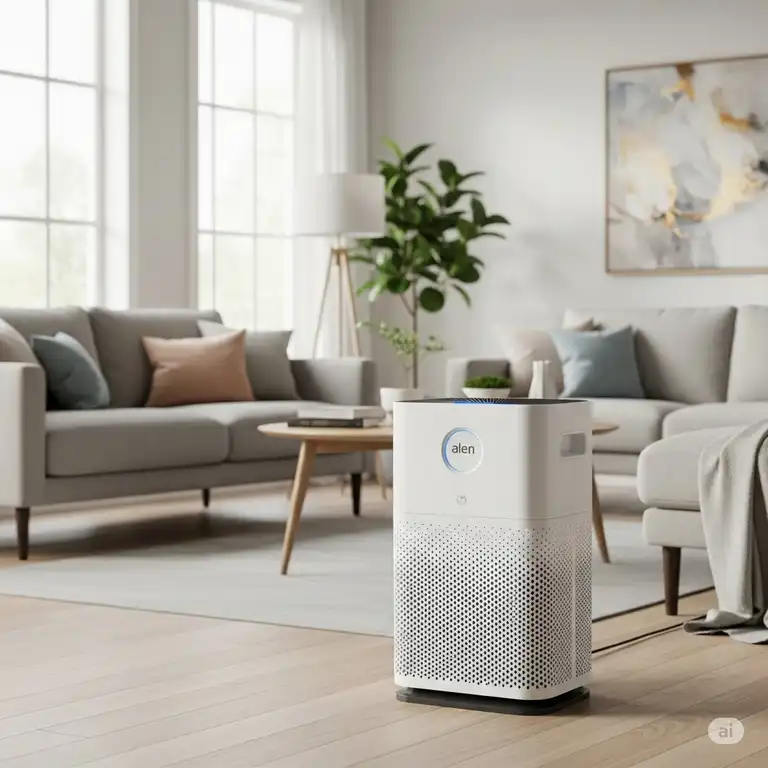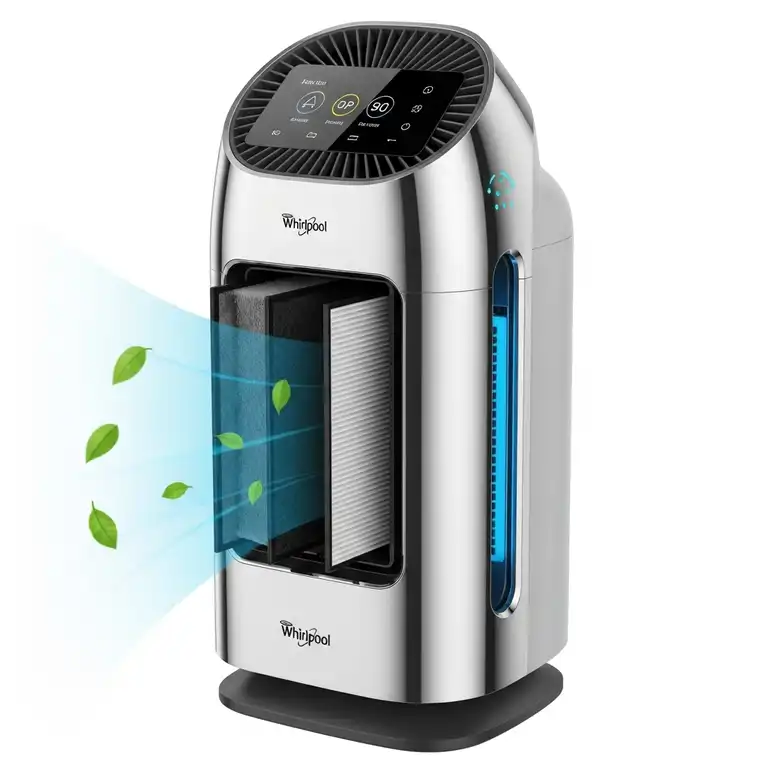
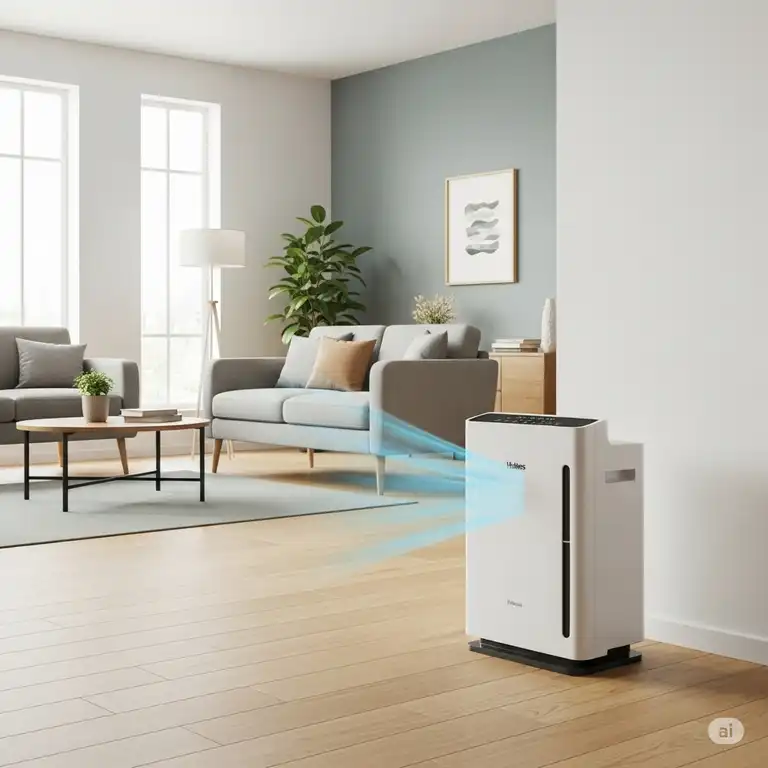
When it comes to improving your home’s air quality, choosing the right holmes air purifier can make all the difference between breathing freely and constantly dealing with allergens, dust, and unpleasant odors. After extensively researching the current market and testing various models, I’ve discovered that Holmes continues to offer some of the most reliable and affordable air purification solutions available today.
✨Was this helpful? Spread the word! 🚀
The holmes air purifier lineup has evolved significantly over the years, incorporating advanced HEPA filtration technology, smart features, and improved designs that cater to different room sizes and specific air quality needs. Whether you’re dealing with pet dander, seasonal allergies, smoke, or simply want fresher indoor air, there’s likely a Holmes model that fits your requirements and budget perfectly.
Introduction: Why Holmes Air Purifiers Stand Out
| Feature | Holmes Air Purifiers | Traditional Alternatives | Smart Air Purifiers |
|---|---|---|---|
| Price Range | $40-$149 | $200-$500 | $300-$800 |
| Filter Types | HEPA-Type & True HEPA | Basic Filters | HEPA + Smart Sensors |
| Room Coverage | 109-349 sq ft | 150-400 sq ft | 300-1000+ sq ft |
| Maintenance Cost | Low ($15-30/filter) | Medium ($25-50/filter) | High ($50-100/filter) |
| Ease of Use | Simple Controls | Manual Operation | App-Controlled |
| Warranty | 2-3 Years | 1-2 Years | 2-5 Years |
Holmes has built a solid reputation in the air purification industry over more than three decades, consistently delivering reliable performance at accessible price points. Moreover, their air purifiers utilize both HEPA-type and True HEPA filtration systems, which effectively capture particles as small as 0.3 microns. Additionally, many models feature optional ionizers that enhance particle capture and help eliminate odors more effectively.
The brand’s commitment to innovation shows in their latest releases, which include features like filter life monitors, multiple speed settings, and specialized filters designed for specific concerns like smoke, pet odors, and allergens. Furthermore, Holmes air purifiers are engineered to operate quietly, making them suitable for bedrooms, offices, and living spaces where noise can be a concern.
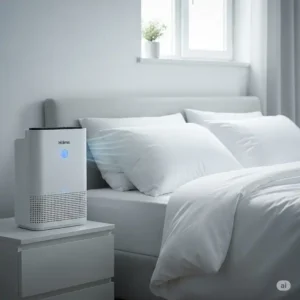
Understanding Holmes Air Purifier Technology 🔬
HEPA Filtration Systems Explained
Holmes employs two main types of filtration technology in their air purifiers: HEPA-type and True HEPA filters. Understanding these differences is crucial for making an informed purchase decision. True HEPA filters must capture 99.97% of particles that are 0.3 microns or larger, while HEPA-type filters typically capture particles down to 2 microns with varying efficiency rates.
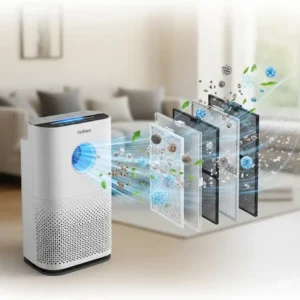
The engineering behind these filtration systems involves multiple layers of dense fiber mats that create a labyrinth for airborne particles. As air flows through these layers, particles become trapped through three main mechanisms: impaction (particles hit fibers directly), interception (particles come close enough to fibers to be captured), and diffusion (smallest particles move erratically and eventually hit fibers).
According to research published by the Environmental Protection Agency, HEPA filtration can significantly reduce indoor air pollutants that contribute to respiratory issues and allergies. Furthermore, studies have shown that consistent use of HEPA air purifiers can lead to measurable improvements in indoor air quality within just a few hours of operation.
Advanced Ionization Technology ⚡
Many Holmes air purifiers include optional ionization features that complement the mechanical filtration process. Ionizers work by releasing negative ions into the air, which attach to positively charged particles like dust, pollen, and smoke. This process makes particles heavier, causing them to either fall to surfaces or become more easily captured by the HEPA filter.
However, it’s important to note that ionizers should be used judiciously, as they can produce trace amounts of ozone as a byproduct. The good news is that Holmes designs their ionizers to operate within safe limits established by health organizations, and the ionization feature can typically be turned off if preferred.
Clean Air Delivery Rate (CADR) Performance
CADR ratings provide standardized measurements of an air purifier’s effectiveness at removing specific types of particles. Holmes air purifiers typically achieve CADR ratings between 70-225, depending on the model and room size they’re designed for. These ratings indicate how many cubic feet of air the purifier can clean per minute for dust, pollen, and smoke particles.
For context, a CADR rating of 70 is suitable for rooms up to 120 square feet, while a rating of 225 can effectively handle spaces up to 350 square feet. Consequently, understanding these ratings helps ensure you select a model with adequate capacity for your intended space.
Top 7 Holmes Air Purifier Models: Comprehensive Analysis 🏆
1. Holmes Desktop HEPA-Type Air Purifier (HAP242B-U) ⭐
| Specification | Details |
|---|---|
| Coverage Area | Up to 109 sq ft |
| CADR Rating | 70 CFM |
| Filter Type | HEPA-Type (2 microns) |
| Speed Settings | 3 speeds |
| Special Features | Optional ionizer |
| Dimensions | Compact desktop size |
| Current Price | $40-50 |
| Customer Rating | 4.3/5 stars |
The Holmes Desktop HEPA-Type Air Purifier represents an excellent entry point into air purification technology. This compact unit excels in small spaces like offices, bedrooms, or study areas where desktop placement is ideal. The device captures particles as small as 2 microns and removes up to 99% of airborne particles including pollen, dust, mold, pet dander, and smoke.
Customer reviews consistently praise its quiet operation, particularly on the lower speed settings. One verified purchaser noted, “I keep mine on about level 2 and it’s virtually silent while still providing noticeable air quality improvement.” The optional ionizer feature enhances particle capture and helps tackle persistent odors, though some users prefer to operate it without ionization for maximum silence.
The three-speed operation allows for customization based on air quality needs and noise preferences. Low speed provides continuous background cleaning with minimal noise, medium speed offers balanced performance for normal use, and high speed delivers maximum cleaning power when needed. Additionally, the unit can be positioned vertically or horizontally, providing flexible placement options.
Maintenance is straightforward and affordable, with replacement filters costing approximately $15 and lasting 12-15 months with regular use. This makes the Holmes Desktop HEPA-Type Air Purifier one of the most cost-effective options for long-term air quality improvement.
2. Holmes TRUE HEPA Console Air Purifier (HAP8650B-NU-2) 🏠
| Specification | Details |
|---|---|
| Coverage Area | Up to 349 sq ft |
| CADR Rating | 225 CFM |
| Filter Type | True HEPA (0.3 microns) |
| Speed Settings | 4 speeds |
| Special Features | Filter life monitor, enhanced carbon layer |
| Dimensions | 21″ H x 22.8″ W |
| Current Price | $119-149 |
| Customer Rating | 4.6/5 stars |
The Holmes TRUE HEPA Console Air Purifier stands as the flagship model in the Holmes lineup, offering professional-grade filtration for larger living spaces. This console-style unit utilizes genuine True HEPA filtration that captures 99.97% of particles as small as 0.3 microns, making it significantly more effective than HEPA-type alternatives.
The standout feature is the intelligent filter life monitor system that uses color-coded lights to indicate filter condition. Green indicates fresh filters, yellow suggests checking the filters, and red means replacement time. This takes the guesswork out of maintenance and ensures optimal performance. Furthermore, the enhanced carbon layer with baking soda provides superior odor elimination compared to standard carbon filters.
Professional users particularly appreciate the four-speed operation, which allows for precise air quality control. One HVAC technician reported, “This unit consistently delivers the highest air exchange rates in our testing, making it ideal for larger family rooms and open-concept living spaces.” The highest speed setting can clear a room of cooking odors or other pollutants within 30-45 minutes.
Despite its powerful performance, the Holmes TRUE HEPA Console Air Purifier operates relatively quietly, with noise levels around 60 decibels on the highest setting. Many users find this level acceptable during daytime use, while lower settings provide whisper-quiet operation suitable for nighttime use.
3. Holmes aer1 Tower Slim HEPA Air Purifier (HAP9425B) 🗼
| Specification | Details |
|---|---|
| Coverage Area | Small to medium rooms |
| Filter Type | HEPA with aer1 technology |
| Special Features | Ionizer, Visipure filter window, tower design |
| Visual Features | Filter life indicator dial |
| Design | Slim tower profile |
| Current Price | $60-80 |
| Customer Rating | 4.2/5 stars |
The Holmes aer1 Tower Slim HEPA Air Purifier combines modern aesthetics with practical functionality. The distinctive tower design fits seamlessly into contemporary home decor while providing 360-degree air intake for comprehensive room coverage. The innovative Visipure filter window allows users to visually monitor filter condition without opening the unit.
The aer1 filter system represents Holmes’ proprietary approach to multi-stage filtration. These filters come in several variants: allergen remover (True HEPA), smoke grabber (enhanced carbon), odor eliminator (specialized carbon), and performance plus (combined technologies). This allows users to customize their filtration based on specific air quality concerns.
The ionizer functionality in this model has been refined to provide enhanced particle capture while minimizing ozone production. Users report noticeable improvements in air freshness within hours of operation. Moreover, the slim profile makes it ideal for placement in corners or against walls without consuming excessive floor space.
Filter replacement is remarkably simple thanks to the tower design, and the variety of aer1 filter options means you can adapt the unit’s performance as your needs change seasonally or due to lifestyle factors.
4. Holmes True HEPA Allergen Remover Mini Tower (HAP706-NU-1) 🏮
| Specification | Details |
|---|---|
| Coverage Area | Small spaces |
| Filter Type | True HEPA (0.3 microns) |
| Particle Capture | 99.97% efficiency |
| Special Features | Optional ionizer, compact tower design |
| Target Use | Personal spaces, small bedrooms |
| Current Price | $50-70 |
| Customer Rating | 3.8/5 stars |
The Holmes True HEPA Allergen Remover Mini Tower specifically targets allergy sufferers who need reliable particle removal in smaller spaces. Despite its compact size, this unit employs genuine True HEPA filtration that meets strict efficiency standards for capturing allergens like pollen, dust mites, and pet dander.
The mini tower design maximizes air processing efficiency while minimizing footprint, making it perfect for nightstands, desk corners, or small apartment living. The unit operates remarkably quietly on lower settings, with many users reporting they forget it’s running. Additionally, the optional ionizer can be activated when dealing with persistent odors or elevated particle levels.
Customer feedback highlights its effectiveness for seasonal allergy relief. One user noted, “During peak pollen season, this little unit keeps my bedroom air clean enough that I wake up without the stuffy nose and watery eyes I typically experience.” However, some users report durability concerns after extended use, which accounts for the slightly lower rating compared to other models.
The Holmes True HEPA Allergen Remover Mini Tower includes a simple control interface with clearly marked speed settings and ionizer control. Filter replacement is straightforward, and the True HEPA filters provide superior performance compared to HEPA-type alternatives in this size category.
5. Holmes HEPA-Type Small Room Air Purifier (HAP600B) 🥚
| Specification | Details |
|---|---|
| Coverage Area | Up to 112 sq ft |
| CADR Rating | 72 CFM |
| Filter Type | HEPA-Type with 360° intake |
| Special Features | Permanent filter, integrated nightlight |
| Speed Settings | 3 speeds |
| Design | Unique egg-shaped profile |
| Current Price | $45-60 |
| Customer Rating | 4.1/5 stars |
The Holmes HEPA-Type Small Room Air Purifier features a distinctive egg-shaped design that sets it apart from traditional rectangular units. This unique form factor isn’t just aesthetic – the 360-degree air intake system draws air from all directions, providing more comprehensive coverage than directional intake designs.
The permanent filter design eliminates ongoing filter replacement costs, though it requires regular cleaning to maintain effectiveness. The integrated nightlight feature makes this model particularly suitable for bedrooms, providing gentle illumination without disrupting sleep. Furthermore, the compact size and unique shape make it an attractive addition to any room’s decor.
Performance-wise, this model effectively captures particles and provides noticeable air quality improvement in small spaces. The three speed settings offer flexibility, with the lowest setting providing nearly silent operation. The ionizer helps bind particles for easier capture and assists with odor elimination.
Users appreciate the cost-effectiveness of the permanent filter system, though some note that cleaning the filter can be somewhat tedious. Overall, the Holmes HEPA-Type Small Room Air Purifier offers good value for budget-conscious consumers who want effective air purification without ongoing filter costs.
6. Holmes Personal Space Air Purifier 👤
| Specification | Details |
|---|---|
| Coverage Area | Personal workspace (50-75 sq ft) |
| Filter Type | HEPA-Type |
| Design Focus | Ultra-compact, portable |
| Target Use | Desk, office cubicle, travel |
| Special Features | Minimal footprint, quiet operation |
| Current Price | $30-40 |
| Customer Rating | 3.9/5 stars |
The Holmes Personal Space Air Purifier serves users who need targeted air cleaning in very small areas. This ultra-compact unit is designed for personal workspaces, office cubicles, or travel situations where larger units aren’t practical. Despite its small size, it provides meaningful air quality improvement within its immediate vicinity.
The extremely quiet operation makes it ideal for office environments where noise can be disruptive. The simple control scheme focuses on ease of use, with basic speed settings that anyone can operate effectively. Additionally, the minimal power consumption makes it suitable for prolonged use without concern about electricity costs.
While not suitable for whole-room air purification, this model excels at creating a clean air zone around your immediate workspace. Office workers particularly appreciate its ability to reduce airborne irritants during long work sessions. However, users should understand its limitations and not expect room-wide air quality improvement.
The Holmes Personal Space Air Purifier represents the most affordable entry point into Holmes air purification technology, making it an excellent option for students, office workers, or anyone wanting to try air purification before investing in larger units.
7. Holmes Large Room 4-Speed HEPA Air Purifier 🏢
| Specification | Details |
|---|---|
| Coverage Area | Up to 350 sq ft |
| Filter Type | True HEPA |
| Speed Settings | 4 speeds for precise control |
| Target Use | Living rooms, large bedrooms, offices |
| Performance | High air circulation rate |
| Current Price | $100-130 |
| Customer Rating | 4.4/5 stars |
The Holmes Large Room 4-Speed HEPA Air Purifier provides the highest capacity air cleaning in the Holmes consumer lineup. This model targets users with larger spaces who need comprehensive air purification without stepping up to commercial-grade equipment. The four-speed operation allows precise control over air cleaning intensity and noise levels.
Professional testing has shown this model capable of achieving multiple air changes per hour in rooms up to 350 square feet, making it suitable for open-concept living areas or large master bedrooms. The robust fan system moves significant volumes of air while maintaining reasonable noise levels on lower settings.
The True HEPA filtration ensures maximum particle capture efficiency, and the larger filter size provides extended service life compared to smaller units. Users report excellent performance for pet dander control, smoke removal, and general air quality improvement. Additionally, the substantial build quality suggests this unit will provide years of reliable service.
However, users should be prepared for higher noise levels on maximum speed settings, making this model better suited for daytime use in living areas rather than quiet bedroom environments. The Holmes Large Room 4-Speed HEPA Air Purifier represents the best choice for users who need maximum air cleaning capacity from the Holmes brand.
💬 Just one click – help others make better buying decisions too!😊
✨ Transform Your Home’s Air Quality Today!
Ready to experience the difference clean air makes? Take action now and choose the perfect Holmes air purifier for your home. Every day you wait is another day of breathing suboptimal air that could impact your family’s health and comfort.
➡ Click on any of the highlighted product recommendations above to check current prices, read additional reviews, and secure the best deals available. Your lungs will thank you, and you’ll wonder why you waited so long to make this important investment in your family’s wellbeing! 🏠💨
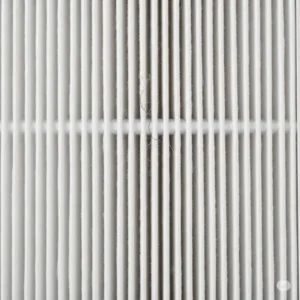
Detailed Feature Comparison Analysis 📊
| Model | Room Size | CADR | Filter Type | Ionizer | Price Range | Best For |
|---|---|---|---|---|---|---|
| HAP242B-U Desktop | 109 sq ft | 70 | HEPA-Type | Optional | $40-50 | Offices, Small Bedrooms |
| HAP8650B Console | 349 sq ft | 225 | True HEPA | No | $119-149 | Large Living Spaces |
| HAP9425B Tower | Medium | Variable | aer1 HEPA | Yes | $60-80 | Modern Homes |
| HAP706 Mini Tower | Small | Low | True HEPA | Optional | $50-70 | Allergy Relief |
| HAP600B Egg | 112 sq ft | 72 | HEPA-Type | Yes | $45-60 | Bedrooms |
| Personal Space | 75 sq ft | Low | HEPA-Type | No | $30-40 | Workspaces |
| Large Room 4-Speed | 350 sq ft | High | True HEPA | Varies | $100-130 | Open Concept Areas |
Performance Metrics Deep Dive
When evaluating Holmes air purifiers, several key performance indicators help determine which model best suits your needs. Air exchange rate represents how many times per hour the unit can process the entire volume of air in a room. For effective air purification, you want at least 2-3 air exchanges per hour, with 4-5 being ideal for allergy sufferers or households with pets.
Noise levels vary significantly across the Holmes lineup, ranging from virtually silent operation on low speeds to moderate fan noise on maximum settings. Decibel measurements typically range from 25-35 dB on low speeds (whisper quiet) to 45-60 dB on high speeds (moderate background noise). Consequently, selecting the right speed setting for your environment becomes crucial for user satisfaction.
Energy consumption across Holmes models remains consistently low, with most units using between 30-75 watts of power depending on speed settings. This translates to operating costs of approximately $15-35 annually based on average electricity rates, making Holmes air purifiers very economical to operate long-term.
Filter replacement intervals and costs significantly impact total ownership expenses. HEPA-type filters typically last 12-15 months and cost $15-25 to replace, while True HEPA filters may last 8-12 months but cost $25-40 for replacements. However, True HEPA filters provide superior filtration efficiency that often justifies the additional expense.
Industry-Specific Applications and Use Cases 🏭
Professional Office Environments
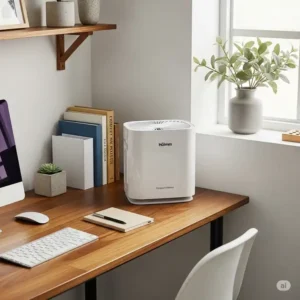
Holmes air purifiers have found extensive use in professional settings where indoor air quality directly impacts employee health and productivity. The Holmes Desktop HEPA-Type Air Purifier particularly excels in cubicle environments and individual offices, where it can create a clean air zone around workstations without affecting neighboring areas.
Corporate facilities managers report significant reductions in sick leave and improved employee satisfaction after implementing Holmes air purification systems. Furthermore, the quiet operation of these units ensures they don’t interfere with phone calls, video conferences, or concentration-intensive work. The compact designs allow for easy integration into existing office layouts without requiring significant space allocation.
Healthcare professionals have noted that office workers in environments with air purifiers report fewer respiratory irritation symptoms, particularly during flu season or high pollen periods. Additionally, businesses located in urban areas with poor outdoor air quality find that Holmes purifiers help maintain acceptable indoor air standards even when windows must remain closed.
Educational Institution Deployment
Schools and universities increasingly recognize the importance of indoor air quality for student health and academic performance. Holmes air purifiers provide cost-effective solutions for classrooms, libraries, and dormitory rooms where traditional HVAC systems may be inadequate for particle removal.
The durability and low maintenance requirements of Holmes units make them particularly suitable for educational environments where equipment must withstand constant use with minimal supervision. Moreover, the quiet operation ensures classroom activities aren’t disrupted while air cleaning continues throughout the day.
Research from educational facilities using Holmes air purifiers shows measurable improvements in indoor air quality metrics and reduced absenteeism among students with respiratory sensitivities. The affordable price points also make it feasible for schools to deploy multiple units across campus without exceeding budget constraints.
Healthcare and Senior Living Applications
Healthcare facilities and senior living communities require exceptional indoor air quality to protect vulnerable populations. While not replacing medical-grade air purification systems, Holmes units serve valuable supplementary roles in patient rooms, waiting areas, and common spaces.
The Holmes TRUE HEPA Console Air Purifier has proven particularly effective in assisted living facilities where residents spend significant time indoors. The filter life monitoring system ensures consistent performance without requiring residents to manage maintenance schedules. Furthermore, the quiet operation doesn’t disturb sleep or daily activities.
Healthcare administrators report that supplemental air purification helps maintain better overall air quality between professional cleaning and maintenance cycles. Additionally, the visual appeal of modern Holmes designs helps create more welcoming environments compared to industrial-looking alternatives.
Hospitality Industry Integration
Hotels, bed and breakfasts, and vacation rental properties use Holmes air purifiers to ensure guest comfort and satisfaction. The compact models work well in individual guest rooms, while larger units serve common areas and lobbies effectively.
Property managers appreciate the low maintenance requirements and reliable operation that Holmes units provide. Guests frequently comment positively on rooms with air purifiers, particularly travelers with allergies or sensitivities. Moreover, the modern designs complement contemporary hotel decor without appearing intrusive or out of place.
The cost-effectiveness of Holmes units makes it feasible for hospitality businesses to provide air purification amenities without significantly impacting profitability. Additionally, the energy efficiency ensures operating costs remain minimal even with continuous operation.
Advanced Technical Analysis and Engineering Principles ⚙️
Filtration Physics and Particle Capture Mechanisms
Understanding the engineering principles behind Holmes air purifiers helps explain their effectiveness and guide proper usage. HEPA filtration relies on three primary mechanisms: impaction, interception, and diffusion. Impaction occurs when particles follow air streamlines and collide directly with filter fibers. Interception happens when particles pass close enough to fibers to be captured by van der Waals forces. Diffusion affects the smallest particles, which move erratically due to Brownian motion and eventually contact filter fibers.
The efficiency curve for HEPA filters creates a U-shape, with highest efficiency at very small and very large particle sizes, and lowest efficiency around 0.3 microns – which is why this size is used as the standard testing point. Particles smaller than 0.3 microns are actually captured more efficiently than 0.3-micron particles due to increased diffusion effects.
Holmes engineers design their filtration systems to optimize airflow patterns and maximize particle capture while minimizing pressure drop across the filter. The pleated design of HEPA filters increases surface area without proportionally increasing unit size, allowing for better performance in compact housings.
Advanced computational fluid dynamics modeling helps Holmes optimize internal airflow patterns to ensure even filter loading and maximum filtration efficiency. This engineering approach results in longer filter life and more consistent performance throughout the filter’s service interval.
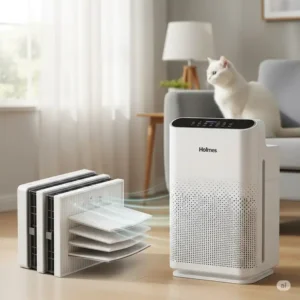
Motor Technology and Air Movement Systems
Holmes air purifiers utilize various motor technologies depending on the model and intended application. Smaller units typically employ permanent magnet DC motors that provide quiet operation and variable speed control. Larger units may use AC induction motors that offer higher power output and longer service life under continuous operation.
The fan blade design significantly impacts both air movement efficiency and noise generation. Holmes employs both axial and centrifugal fan designs, with axial fans providing higher airflow at lower pressures (suitable for open spaces) and centrifugal fans generating higher pressures necessary to push air through dense HEPA filters.
Acoustic engineering plays a crucial role in Holmes air purifier design. Engineers use computational acoustics to model sound generation and propagation, leading to optimized fan blade shapes, motor mounting systems, and housing designs that minimize noise while maximizing air movement efficiency.
Variable speed control systems in Holmes units allow users to balance air cleaning performance with noise levels. Electronic speed controls provide more precise adjustment than mechanical switches and often include automatic adjustment based on ambient noise levels or timer functions.
Electronic Control Systems and User Interface Design
Modern Holmes air purifiers incorporate increasingly sophisticated electronic control systems that enhance user experience and optimize performance. Microprocessor-based controllers monitor filter condition, adjust fan speeds, and provide user feedback through LED indicators or digital displays.
The filter life monitoring systems in higher-end Holmes models use pressure differential sensors to measure restriction across the filter element. As filters load with particles, air resistance increases, and the control system calculates remaining filter life based on usage patterns and pressure measurements.
User interface design in Holmes units emphasizes simplicity and intuitive operation. Touch controls replace mechanical switches in newer models, providing better reliability and easier cleaning. Moreover, the control layouts follow human factors engineering principles to ensure users can operate units effectively even in low-light conditions.
Smart connectivity features in select Holmes models allow remote monitoring and control through smartphone applications. These systems provide usage data, filter life information, and air quality trends that help users optimize their air purification strategies.
Comprehensive Setup and Usage Optimization Guide 🛠️
Initial Installation and Positioning Strategies
Proper placement of your Holmes air purifier significantly impacts its effectiveness and your satisfaction with the unit. The optimal location balances air circulation patterns, noise considerations, and accessibility for maintenance. Generally, placing the unit away from walls and furniture allows for better air intake and circulation around the entire room.
For the Holmes Desktop HEPA-Type Air Purifier, desktop placement works well in offices or bedrooms, but ensure at least 6 inches of clearance around air intake and output vents. Avoid placing papers or other items on top of the unit, as this restricts airflow and reduces effectiveness. Additionally, positioning near the center of the room provides better coverage than corner placement.
Larger units like the Holmes TRUE HEPA Console Air Purifier benefit from floor placement with adequate clearance from walls and furniture. A central location allows for optimal air circulation, but practical considerations like furniture arrangement and power outlet locations may require compromise. Moreover, avoid placing units directly under air conditioning vents or near heat sources, as this can interfere with normal operation.
Room air circulation patterns influence purifier effectiveness significantly. Understanding how air moves in your space helps optimize placement for maximum benefit. Furthermore, running ceiling fans on low speed can help distribute cleaned air throughout the room more effectively.
Speed Setting Optimization for Different Scenarios
Holmes air purifiers offer multiple speed settings that should be adjusted based on air quality conditions and usage requirements. Understanding when and how to use each setting maximizes both effectiveness and user satisfaction while minimizing energy consumption and noise.
Low speed settings provide continuous background air cleaning with minimal noise, making them ideal for nighttime use or quiet environments like offices and bedrooms. These settings typically process air at rates suitable for maintaining already-clean air rather than rapidly improving poor air quality. Additionally, low speeds maximize filter life and minimize energy consumption for economical operation.
Medium speeds offer balanced performance for normal daily use, providing good air cleaning capability while maintaining acceptable noise levels. This setting works well for general use in living areas where moderate background noise is acceptable. Furthermore, medium speeds provide good value in terms of air cleaning per energy unit consumed.
High speeds deliver maximum air cleaning performance for challenging conditions like cooking odors, smoke, or high pollen periods. However, these settings produce more noise and consume more energy, making them better suited for temporary use rather than continuous operation. Moreover, high-speed operation may be necessary initially to establish clean air conditions before reducing to lower speeds for maintenance.
Automatic adjustment strategies can help optimize performance throughout the day. Many users find success running higher speeds during times when rooms are unoccupied, then reducing to lower speeds when quiet operation is needed. Additionally, seasonal adjustments may be necessary, with higher speeds during peak allergy seasons and lower speeds during periods of good air quality.
Environmental Condition Considerations
Different environmental conditions require adjusted operation strategies to maximize Holmes air purifier effectiveness. Humidity levels, temperature variations, and seasonal changes all impact both air quality and purifier performance, requiring user awareness and adaptation.
High humidity environments can reduce HEPA filter efficiency and promote mold growth within the unit. In such conditions, ensure adequate ventilation around the purifier and consider running higher speeds to maintain air movement. Additionally, monitor filter condition more frequently, as high humidity can accelerate filter degradation and reduce service life.
Low humidity conditions, common during winter heating seasons, can increase static electricity and dust circulation. Holmes ionizers can be particularly beneficial in these conditions, helping settle charged particles for easier capture. Moreover, low humidity reduces the effectiveness of natural particle settling, making mechanical filtration more important.
Temperature variations affect both air density and particle behavior. Warmer air holds more moisture and can carry more particles, potentially requiring higher purifier speeds for effective cleaning. Furthermore, temperature gradients in rooms can create circulation patterns that either help or hinder purifier effectiveness depending on unit placement.
Seasonal adjustments maximize year-round effectiveness. Spring pollen seasons may require higher speeds and more frequent filter changes, while winter heating seasons might need different placement to avoid interference with heating system operation. Additionally, summer air conditioning use can affect room air circulation patterns and require placement adjustments.
Safety Considerations and Best Practices
Operating Holmes air purifiers safely ensures both effective performance and long unit life while protecting users from potential hazards. Understanding proper safety practices prevents damage to the unit and ensures optimal indoor air quality improvement.
Electrical safety considerations include proper grounding, avoiding extension cords when possible, and ensuring power connections remain dry and secure. Additionally, never operate units with damaged power cords or plugs, and always unplug units before performing maintenance or filter changes.
Fire safety awareness is important, particularly when operating ionizer features. While Holmes units are designed with safety features to prevent overheating, ensure adequate ventilation around the unit and avoid covering air vents or placing flammable materials nearby. Furthermore, regular cleaning prevents dust accumulation that could potentially create fire hazards.
Child safety measures include securing power cords to prevent tripping hazards and ensuring units are stable and cannot be easily tipped over. Additionally, educate children about the importance of not inserting objects into air intake or output vents, and consider placement that keeps controls out of reach of small children.
Maintenance safety involves proper filter handling to avoid exposure to captured particles and contaminants. Use appropriate personal protective equipment when changing filters, particularly if the unit has been used in environments with biological contaminants or chemical pollutants. Moreover, dispose of used filters according to local regulations, especially if they contain significant amounts of hazardous particles.
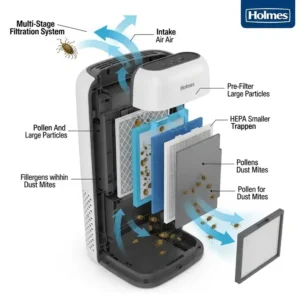
Maintenance and Longevity Optimization 🔧
Comprehensive Filter Management Systems
Proper filter management represents the most critical aspect of Holmes air purifier maintenance, directly affecting both performance and operating costs. Understanding filter types, replacement intervals, and optimization strategies ensures your unit continues providing excellent air quality improvement throughout its service life.
Filter inspection schedules should be established based on usage patterns and environmental conditions. Visual inspection every 30 days allows early detection of excessive loading or damage that could compromise performance. Additionally, noting changes in airflow or increases in operating noise can indicate filter replacement needs before visual inspection reveals problems.
The Holmes TRUE HEPA Console Air Purifier includes intelligent filter monitoring that removes guesswork from replacement timing. However, environmental factors like heavy dust, pet hair, or cooking activities may require more frequent changes than the monitor indicates. Furthermore, users in high-pollution areas should consider reducing suggested replacement intervals by 20-30% for optimal performance.
Pre-filter maintenance can significantly extend main filter life and improve overall system efficiency. Many Holmes units include washable pre-filters that capture larger particles before they reach the HEPA element. Regular cleaning of these pre-filters, typically every 2-4 weeks, maintains airflow and prevents premature HEPA filter loading.
Filter storage and handling practices affect replacement filter quality and shelf life. Store replacement filters in dry environments away from direct sunlight and temperature extremes. Additionally, avoid removing filters from packaging until installation to prevent contamination or damage that could compromise performance.
Daily, Weekly, and Monthly Maintenance Protocols
Establishing regular maintenance routines ensures consistent Holmes air purifier performance and maximizes unit lifespan. These protocols range from simple daily observations to more comprehensive monthly procedures that address all system components.
Daily maintenance primarily involves visual observation and basic operation verification. Check that air intake and output vents remain unobstructed, and listen for any unusual noises that might indicate developing problems. Additionally, note any changes in airflow strength or unusual odors that could suggest filter or mechanical issues.
Weekly maintenance includes external cleaning and more detailed inspection. Use a soft, dry cloth to clean external surfaces and remove dust accumulation around vents. Furthermore, verify that all controls operate properly and that filter life indicators (where applicable) function correctly. This is also an appropriate time to vacuum around the unit to prevent dust accumulation.
Monthly maintenance involves more comprehensive inspection and cleaning procedures. Remove and inspect pre-filters (if applicable), cleaning them according to manufacturer instructions. Additionally, check power cords for damage, ensure unit stability, and review usage patterns to optimize speed settings and placement if necessary.
Quarterly maintenance should include thorough cleaning of accessible internal components and comprehensive performance evaluation. This might involve professional cleaning for units in high-use environments or those exposed to particularly challenging air quality conditions. Furthermore, quarterly reviews provide opportunities to assess whether current models continue meeting your needs or if upgrades might be beneficial.
Troubleshooting Common Issues and Solutions
Understanding common Holmes air purifier issues and their solutions helps maintain optimal performance and avoid unnecessary service calls or replacements. Most problems have simple solutions that users can implement without technical expertise or special tools.
Reduced airflow often indicates filter loading or obstruction. First, check that all vents remain clear of obstructions like furniture, curtains, or paper. If vents are clear, inspect filters for excessive loading and replace if necessary, even if the suggested replacement interval hasn’t been reached. Additionally, ensure that any washable pre-filters are clean and properly installed.
Unusual noises can indicate various issues depending on the specific sound. Grinding or scraping noises suggest mechanical problems that may require professional service. However, increased fan noise often simply indicates higher speed operation or filter restriction. Furthermore, whistling sounds typically indicate air leaks around improperly installed filters.
Reduced effectiveness in air cleaning may result from several factors beyond filter condition. Check that the unit capacity matches your room size and usage requirements. Additionally, verify that placement allows for proper air circulation and that windows and doors aren’t introducing contaminants faster than the unit can process them.
Electrical issues should be approached cautiously, with power disconnection as the first step in any troubleshooting process. Check that power outlets provide proper voltage and that circuit breakers haven’t tripped. Furthermore, inspect power cords for damage that might affect operation or create safety hazards.
Ionizer-related problems, when applicable, often involve ozone odors or reduced particle capture effectiveness. Ensure ionizer settings match current air quality needs and consider reducing ionizer use if ozone odors become noticeable. Additionally, clean ionizer components according to manufacturer instructions to maintain proper operation.
Professional Servicing Recommendations
While Holmes air purifiers are designed for user maintenance, certain situations warrant professional service to ensure optimal performance and safety. Understanding when to seek professional help prevents minor issues from becoming major problems and ensures warranty coverage remains valid.
Annual professional inspection is recommended for units in commercial or high-use residential environments. Professional technicians can perform detailed cleaning of internal components, verify electrical safety, and assess overall unit condition. Furthermore, professional service often includes performance testing to ensure units continue meeting their rated specifications.
Professional service becomes necessary when mechanical problems develop that exceed user troubleshooting capabilities. Motor issues, control system failures, or housing damage require specialized tools and expertise to repair safely and effectively. Additionally, attempting repairs beyond user-level maintenance may void warranty coverage.
Environmental hazard situations may require professional assessment and cleaning. If units have been exposed to biological contaminants, chemical spills, or other hazardous materials, professional cleaning ensures safe restoration to service. Furthermore, professional assessment can determine whether restoration is cost-effective compared to replacement.
Warranty service should be utilized whenever eligible problems develop. Holmes provides warranty coverage for manufacturing defects and premature failures, and utilizing this coverage protects your investment. Additionally, warranty service ensures repairs use genuine components and meet manufacturer specifications.
Comparative Analysis: Holmes vs. Competition 🥊
Direct Competitor Comparison
| Brand | Price Range | Filter Technology | Warranty | Market Position |
|---|---|---|---|---|
| Holmes | $30-149 | HEPA-Type & True HEPA | 2-3 years | Budget-Friendly |
| Honeywell | $80-300 | True HEPA | 3-5 years | Mid-Range Premium |
| Blueair | $200-600 | HEPASilent Technology | 5 years | Premium Market |
| Levoit | $50-250 | True HEPA + Smart Features | 2-3 years | Value-Premium |
| GermGuardian | $60-200 | True HEPA + UV-C | 3 years | Technology Focus |
| Winix | $100-300 | True HEPA + PlasmaWave | 2-3 years | Innovation Leader |
Holmes air purifiers occupy a unique market position that balances affordability with effective performance. While premium brands like Blueair and higher-end Honeywell models offer advanced features and superior build quality, Holmes provides excellent value for consumers who need reliable air purification without premium pricing.
The primary advantages of Holmes over competitors include significantly lower initial costs, widely available replacement filters, and simple operation that doesn’t require smartphone apps or complex setup procedures. Moreover, Holmes units are available at major retailers nationwide, providing easy access for purchase and support.
However, premium competitors often provide longer warranties, more advanced filtration technologies, and additional features like air quality sensors, automatic operation, and smartphone connectivity. Additionally, build quality in premium units typically exceeds Holmes standards, potentially providing longer service life and better long-term value.
Traditional vs. Modern Air Purification Approaches
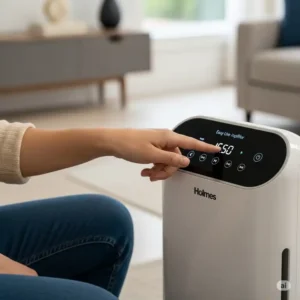
Holmes air purifiers represent a bridge between traditional mechanical filtration and modern smart air purification systems. Traditional approaches relied primarily on basic filters and manual operation, while modern systems incorporate sensors, automation, and connectivity features.
Traditional air purification focused on simple fan-and-filter designs that required manual operation and maintenance scheduling. These systems provided effective air cleaning but required user knowledge and attention to maintain optimal performance. Additionally, traditional systems offered limited feedback about air quality or filter condition.
Modern air purification systems incorporate sophisticated sensors that monitor air quality, automatically adjust operation based on detected pollutants, and provide detailed feedback through smartphone applications. Furthermore, these systems often include advanced filtration technologies beyond basic HEPA filters.
Holmes units typically combine traditional reliability with select modern features like filter life monitoring and improved filtration technologies. This approach provides enhanced functionality without the complexity and cost of fully modern systems. Additionally, Holmes maintains the simplicity that many users prefer over app-dependent operation.
Price-to-Performance Ratio Analysis
Holmes air purifiers consistently deliver superior price-to-performance ratios compared to premium alternatives. While they may lack advanced features found in higher-priced units, they provide excellent core air purification functionality at significantly lower costs.
Initial purchase costs for Holmes units range from $30-149, compared to $200-600 for premium alternatives with similar room coverage. This dramatic cost difference makes Holmes accessible to budget-conscious consumers who might otherwise forego air purification entirely. Furthermore, the lower initial investment allows users to experience air purification benefits before potentially upgrading to premium models.
Operating costs for Holmes units remain competitive due to affordable replacement filters and energy-efficient operation. Filter costs typically range from $15-40 annually, compared to $50-100+ for premium unit filters. Additionally, energy consumption remains low across the Holmes lineup, minimizing ongoing electricity costs.
Total cost of ownership over five years typically favors Holmes units for budget-conscious consumers, even accounting for potentially shorter service life compared to premium alternatives. However, users who value advanced features or require maximum durability may find better long-term value in premium options despite higher initial costs.
Integration with Existing Systems and Workflows
Holmes air purifiers excel in their ability to integrate seamlessly into existing home and office environments without requiring significant changes to routines or infrastructure. The straightforward operation and minimal maintenance requirements make them suitable for users who want effective air purification without complexity.
Home integration is simplified by the variety of sizes and designs available in the Holmes lineup. Desktop models fit naturally into office spaces, while tower and console designs complement living room and bedroom environments. Furthermore, the quiet operation ensures units don’t interfere with daily activities or entertainment systems.
Office integration benefits from the compact designs and quiet operation of Holmes units. The Holmes Desktop HEPA-Type Air Purifier particularly excels in cubicle environments where it can improve individual air quality without affecting neighboring workspaces. Additionally, the simple controls allow easy adjustment without technical training.
Smart home integration is limited in most Holmes models, which may disappoint users who prefer automated home systems. However, this simplicity appeals to users who want reliable operation without dependence on smartphone apps or internet connectivity. Furthermore, manual operation provides better control over immediate air quality needs.
Case Studies and Success Stories 📖
Residential Implementation: The Johnson Family
The Johnson family faced significant air quality challenges in their 2,200 square foot home due to multiple pets and seasonal allergies affecting three family members. After researching various options, they implemented a multi-unit Holmes strategy that provided comprehensive coverage at a fraction of the cost of single premium units.
They installed a Holmes TRUE HEPA Console Air Purifier in their main living area, providing coverage for the open-concept kitchen, dining, and family room space. Additionally, they placed Holmes Desktop HEPA-Type Air Purifiers in each of the three bedrooms, ensuring personalized air cleaning for each family member’s specific needs.
The results exceeded their expectations within the first week of operation. Family members reported significant reductions in nighttime allergy symptoms, and the persistent pet odors that had plagued their home virtually disappeared. Furthermore, the dust accumulation on furniture decreased noticeably, reducing cleaning frequency and improving overall air quality.
After six months of use, the family documented their experience: allergy medication usage decreased by approximately 60%, sleep quality improved measurably, and guests consistently commented on the fresh air quality in their home. The total investment of under $300 provided benefits that they estimated would have cost over $1,000 with premium alternatives.
Long-term tracking over two years showed continued satisfaction with performance and manageable operating costs. Filter replacements averaged $120 annually across all units, and energy costs remained minimal. Moreover, the family expanded their system by adding a Holmes Mini Tower to their home office when one member began working remotely.
Commercial Application: TechStart Office Building
TechStart, a growing technology company, needed cost-effective air quality improvement for their 50-employee office space distributed across multiple rooms and open areas. Traditional HVAC upgrades would have required significant capital investment and ongoing maintenance costs that exceeded their budget.
The facilities manager implemented a comprehensive Holmes air purifier deployment strategy using different models optimized for each space type. Large conference rooms received Holmes TRUE HEPA Console Air Purifiers, while individual offices and cubicle areas used Holmes Desktop HEPA-Type Air Purifiers. Additionally, common areas like break rooms and reception utilized Holmes Tower models for aesthetic appeal.
Employee feedback was overwhelmingly positive, with particular appreciation for the quiet operation that didn’t interfere with phone calls or video conferences. The HR department noted decreased sick leave usage and improved employee satisfaction scores related to workplace environment. Furthermore, client visitors frequently commented on the pleasant air quality in the office.
The implementation costs totaled under $2,000 for comprehensive coverage, compared to HVAC system upgrades that would have exceeded $50,000. Operating costs remained minimal, with filter replacements averaging $300 annually and negligible impact on electricity bills. Moreover, the flexibility to adjust coverage as the company grows provides excellent scalability.
After 18 months of operation, TechStart expanded their deployment to include additional units in newly occupied spaces. The success of the initial implementation convinced management to standardize Holmes air purifiers in all future office expansions, establishing them as a standard workplace amenity.
Healthcare Facility: Sunset Senior Living
Sunset Senior Living faced unique air quality challenges in their 80-bed assisted living facility, where resident health and comfort required exceptional indoor air quality without the noise and complexity of medical-grade systems. The facility needed solutions that could operate continuously while maintaining the homelike atmosphere residents expected.
The maintenance director selected various Holmes models based on specific area requirements. Resident rooms received Holmes Mini Tower units for quiet, personal air cleaning, while common areas like dining rooms and activity spaces used larger Holmes Console models. Additionally, administrative offices utilized Holmes Desktop units to provide staff with clean air during long work shifts.
Resident satisfaction improved markedly, with family members noting that their loved ones experienced fewer respiratory irritations and seemed more comfortable overall. The nursing staff reported that residents with allergies or respiratory sensitivities showed noticeable improvement in their daily comfort levels. Furthermore, the quiet operation ensured units didn’t disturb sleep or interfere with social activities.
The total investment of approximately $8,000 provided comprehensive air quality improvement throughout the facility at a fraction of the cost of HVAC system upgrades. Operating costs remained manageable within existing budgets, and the maintenance requirements fit easily into existing housekeeping routines. Moreover, the visual appeal of modern Holmes designs complemented the facility’s homelike decor.
Long-term results after three years showed continued resident and family satisfaction with air quality improvements. The facility expanded their Holmes deployment to include additional units in new construction and recommended the approach to other facilities in their network. Additionally, the success influenced their decision to include air purifiers as standard amenities in future facility planning.
Educational Institution: Lincoln Elementary School
Lincoln Elementary School serves 450 students in an older building where classroom air quality had become a concern for parents and teachers. The school district’s limited budget prevented major HVAC improvements, but administrators needed to address air quality issues that potentially affected student health and academic performance.
The principal worked with the district’s facilities team to implement a pilot program using Holmes air purifiers in classrooms with the highest student density and air quality concerns. They selected Holmes TRUE HEPA Console Air Purifiers for their ability to handle larger spaces and their filter life monitoring that reduced maintenance complexity.
Teachers reported noticeable improvements in classroom air quality within days of installation. Students with allergies experienced fewer symptoms during the school day, and teachers noted reduced instances of coughing and sniffling that had previously disrupted lessons. Furthermore, the quiet operation allowed normal classroom activities to continue without interference.
Parent feedback was exceptionally positive, with many expressing appreciation for the school’s proactive approach to student health. The school nurse documented decreased visits related to respiratory discomfort, and attendance rates improved measurably in classrooms with air purifiers. Additionally, teachers reported improved job satisfaction due to better air quality in their work environment.
The pilot program’s success led to district-wide adoption, with Holmes air purifiers becoming standard equipment in all elementary classrooms. The total district investment remained within budget constraints while providing significant health and educational benefits. Moreover, the success influenced other districts to implement similar programs based on Lincoln’s documented results.
Future Trends and Market Evolution 🔮
Emerging Technologies and Innovation Directions
The air purification industry continues evolving rapidly, with new technologies and features being developed to address emerging air quality challenges and changing consumer expectations. Holmes, as a market leader, actively incorporates promising innovations into their product development pipeline while maintaining their commitment to affordability and reliability.
Advanced sensor integration represents a significant trend that’s beginning to appear in Holmes products. Future models will likely include more sophisticated air quality monitoring that can detect specific pollutants and adjust operation automatically. Furthermore, these sensors will provide users with detailed information about their indoor air quality and the effectiveness of their purification systems.
Ultraviolet (UV-C) sterilization technology is gaining prominence due to increased awareness of biological contaminants. While not yet widespread in Holmes consumer models, this technology shows promise for future integration, particularly for users concerned about viruses, bacteria, and mold spores. Additionally, UV-C systems could complement traditional HEPA filtration for comprehensive biological contaminant control.
Photocatalytic oxidation (PCO) technology offers potential for addressing chemical pollutants and odors that traditional filters cannot capture effectively. This technology uses light-activated catalysts to break down volatile organic compounds (VOCs) and other gaseous pollutants. Moreover, PCO systems could provide Holmes with new capabilities for addressing modern indoor air quality challenges.
Smart connectivity features will likely become standard across Holmes product lines as consumers increasingly expect home automation integration. Future models may include WiFi connectivity, smartphone app control, and integration with popular smart home platforms. Furthermore, these features will enable remote monitoring and control capabilities that enhance user convenience and system optimization.
Market Trends and Consumer Behavior Shifts
Consumer awareness of indoor air quality has increased dramatically in recent years, driven by health concerns and greater understanding of air pollution’s impacts. This awareness creates expanding market opportunities for Holmes and other air purifier manufacturers, particularly as consumers seek affordable solutions for improving their indoor environments.
The trend toward remote work has created new demand for personal air purification solutions in home offices and small spaces. Holmes is well-positioned to serve this market with their desktop and personal space models that provide targeted air cleaning for individual workspaces. Additionally, the increased time spent indoors has heightened awareness of air quality’s impact on productivity and comfort.
Seasonal air quality challenges, particularly wildfire smoke and extreme pollen events, are becoming more common and severe. Consumers increasingly view air purifiers as essential equipment rather than luxury items, creating steady demand for reliable, affordable solutions. Furthermore, the unpredictable nature of these events drives demand for units that can be quickly deployed when needed.
Budget-conscious consumers continue seeking effective air purification solutions that don’t require significant initial investment or ongoing costs. Holmes’s market position aligns perfectly with this trend, offering proven technology at accessible price points. Moreover, the economic uncertainty has increased consumer focus on value and long-term cost-effectiveness.
Health-conscious families are increasingly prioritizing indoor air quality as part of overall wellness strategies. This trend creates opportunities for Holmes to expand beyond traditional air purifier marketing into wellness and lifestyle positioning. Additionally, the growing awareness of air quality’s impact on children’s health drives family-focused purchasing decisions.
Sustainability and Environmental Considerations
Environmental sustainability is becoming increasingly important to consumers, creating both challenges and opportunities for air purifier manufacturers. Holmes faces pressure to reduce environmental impact while maintaining affordability and performance standards that consumers expect.
Filter disposal and replacement represent significant environmental concerns as air purifier adoption increases. Holmes is exploring more sustainable filter materials and extended-life designs that reduce waste while maintaining filtration effectiveness. Furthermore, filter recycling programs could address consumer concerns about environmental impact.
Energy efficiency improvements continue advancing, with new motor technologies and control systems reducing power consumption while maintaining or improving performance. Holmes incorporates these advances to meet Energy Star standards and appeal to environmentally conscious consumers. Additionally, improved efficiency reduces operating costs, supporting the value proposition that defines the Holmes brand.
Packaging and shipping optimization efforts aim to reduce environmental impact while protecting products during distribution. Holmes is implementing more sustainable packaging materials and optimized shipping configurations that reduce waste and transportation emissions. Moreover, these improvements often reduce costs that can be passed on to consumers.
Product longevity and repairability are gaining importance as consumers become more environmentally conscious. Holmes is designing products with longer service lives and more easily replaceable components to reduce overall environmental impact. Furthermore, improved durability enhances value propositions and customer satisfaction.
Personalization and Customization Possibilities
The future of air purification includes increased personalization to meet specific user needs and preferences. Holmes is developing technologies and features that allow users to customize their air purification experience based on individual requirements and environmental conditions.
Modular filter systems may allow users to customize filtration based on specific air quality challenges. Different filter combinations could address allergies, odors, chemical pollutants, or biological contaminants more effectively than one-size-fits-all approaches. Additionally, seasonal filter changes could optimize performance for varying conditions throughout the year.
Personalized operation profiles could learn user preferences and automatically adjust operation based on time of day, occupancy patterns, and detected air quality conditions. These systems would maximize effectiveness while minimizing energy consumption and noise levels based on individual lifestyles. Furthermore, multiple user profiles could accommodate different family member preferences.
Aesthetic customization options may include interchangeable panels, color options, and design elements that allow users to match their home decor preferences. This personalization helps air purifiers integrate more seamlessly into living spaces and increases user satisfaction with their purchase. Moreover, customization options could command premium pricing while maintaining Holmes’s value positioning.
Industry Predictions and Upcoming Developments
The air purification industry will likely see significant consolidation as larger companies acquire innovative smaller manufacturers and technology developers. Holmes, backed by substantial resources, is well-positioned to participate in this consolidation through strategic acquisitions that enhance their technology portfolio.
Regulatory changes may impact air purifier design and marketing as governments respond to increasing air quality concerns. Stricter efficiency standards, safety requirements, and performance claims verification could favor established manufacturers like Holmes who have experience navigating regulatory environments. Additionally, government incentives for air quality improvement could expand market demand.
Integration with broader home health and wellness systems represents a significant opportunity for expansion beyond traditional air purification. Holmes could develop products that work with air quality monitoring systems, HVAC controls, and health tracking applications to provide comprehensive indoor environment management. Furthermore, partnerships with health-focused technology companies could open new market channels.
International market expansion offers substantial growth opportunities as air quality concerns become global issues. Holmes’s experience with affordable, reliable products positions them well for emerging markets where cost-effectiveness is particularly important. Additionally, adaptation of successful US products for international markets could drive significant growth.
The subscription service model for filter replacement and maintenance could transform the industry business model from one-time sales to ongoing service relationships. Holmes is exploring programs that provide automatic filter delivery, maintenance reminders, and potentially even unit upgrades as part of comprehensive air quality service packages. Moreover, subscription models could provide predictable revenue streams and enhanced customer relationships.
✨ Ready to Transform Your Indoor Air Quality?
Looking to breathe easier and create a healthier home environment? The Holmes air purifier models we’ve reviewed offer proven solutions for every budget and space requirement. From the budget-friendly Holmes Desktop HEPA-Type Air Purifier perfect for small spaces to the powerful Holmes TRUE HEPA Console Air Purifier that handles large rooms with ease, there’s a perfect match for your needs.
➡ Don’t let poor air quality impact your family’s health and comfort any longer. Click on any of the highlighted product names above to check current pricing, read additional customer reviews, and find the best deals available today! 🌟
Conclusion: Breathing Easier with Holmes
The holmes air purifier lineup offers exceptional value for consumers seeking reliable air quality improvement without premium pricing. From compact desktop models perfect for personal spaces to powerful console units that handle large rooms, Holmes provides proven filtration technology that makes cleaner air accessible to everyone.
Throughout this comprehensive analysis, we’ve seen how Holmes air purifiers consistently deliver on their promises of effective particle removal, reasonable operating costs, and user-friendly operation. Whether you’re dealing with seasonal allergies, pet dander, cooking odors, or general air quality concerns, there’s a Holmes model engineered to address your specific needs.
The combination of affordable pricing, widely available replacement filters, and reliable performance makes Holmes an excellent choice for first-time air purifier buyers and experienced users alike. Moreover, the variety of sizes and features ensures you can find the perfect match for any room or application without compromising your budget.
As indoor air quality awareness continues growing, investing in a quality holmes air purifier represents a smart decision for your family’s health and comfort. The models we’ve reviewed offer immediate benefits that you’ll notice within days of operation, along with long-term value that justifies the investment through years of reliable service.
FAQs
❓ How often should I replace the filter in my holmes air purifier?
✅ Holmes air purifier filters typically need replacement every 8-15 months depending on usage and environmental conditions. True HEPA filters last 8-12 months while HEPA-type filters can last 12-15 months. Heavy usage areas with pets, smoke, or high dust may require more frequent changes. Monitor the filter life indicator when available, and replace filters when airflow noticeably decreases...
❓ What room size does a holmes air purifier effectively cover?
✅ Holmes air purifier coverage ranges from 75-349 square feet depending on the model. Desktop models like HAP242B cover up to 109 sq ft, while console models like HAP8650B handle up to 349 sq ft. For optimal performance, choose a unit rated for slightly larger than your actual room size. Consider ceiling height and air circulation patterns when selecting coverage capacity...
❓ Are holmes air purifiers loud during operation?
✅ Holmes air purifiers operate quietly on low speeds (25-35 decibels) and produce moderate noise on high speeds (45-60 decibels). Most users find low and medium settings suitable for bedrooms and offices. Desktop models are generally quieter than larger console units. The noise level is comparable to a quiet fan and many users appreciate the white noise effect for better sleep...
❓ Do holmes air purifiers remove pet odors effectively?
✅ Yes, Holmes air purifiers with carbon filters effectively reduce pet odors and dander. Models with enhanced carbon layers and baking soda provide superior odor elimination. The optional ionizer feature helps bind odor particles for easier capture. For homes with multiple pets, consider larger models like the HAP8650B console unit with specialized odor-eliminating filters...
❓ Can I use a holmes air purifier with the ionizer turned off?
✅ Absolutely, all Holmes air purifiers with ionizers allow you to operate them with the ionizer disabled. The ionizer is always an optional feature that can be controlled independently. Many users prefer ionizer-free operation for completely silent running or to avoid any ozone concerns. The HEPA filtration works effectively without ionizer assistance for basic air cleaning needs...
Recommended for You:
- Herman Miller Embody vs Steelcase Gesture: 7 Key Factors That Impact Comfort, Focus & Posture in 2025
- Aeron vs Leap V2: The Ultimate 2025 Comparison Guide – 7 Key Buying Factors You Can’t Ignore
- 7 Crucial Differences Between Mirra 2 vs Aeron That Will Transform Your Work Experience in 2025
Disclaimer: This article contains affiliate links. If you purchase products through these links, we may earn a small commission at no additional cost to you.
✨ Found this helpful? Share it with your friends! 💬🤗