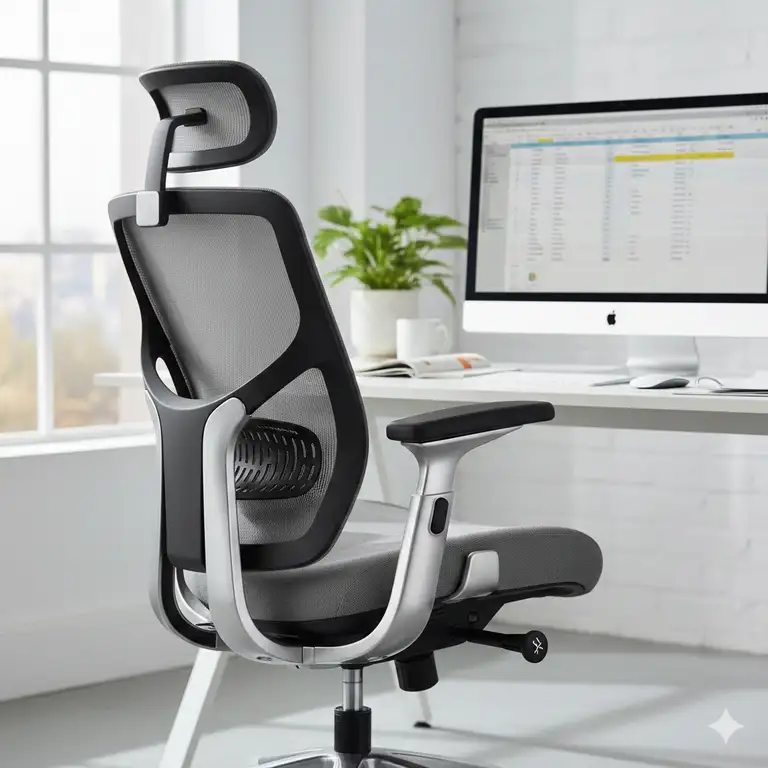
Have you ever finished a long day of working at your desk and felt like your spine had been replaced with a rusty question mark? You’re not alone. In our modern, increasingly sedentary lives, the toll on our bodies from prolonged sitting is monumental. It’s not just about temporary discomfort; it’s about chronic back pain, neck stiffness, and even diminished concentration. If your current office setup involves a chair that feels more like a torture device than a supportive tool, it’s time to seriously consider an upgrade.
That’s where the mighty posture chair enters the scene. This isn’t just a fancy ergonomic piece; it’s an investment in your long-term health, productivity, and overall well-being. Think of it as a personal, passive physical therapist that works with you every time you sit down. A true posture chair is specifically engineered to promote a neutral, natural spinal alignment, redistribute pressure, and engage core muscles, effectively turning sitting from a passive, destructive act into a more active, restorative one. We’re going to dive deep into what makes these chairs essential, review the best models on the market, and help you find the perfect fit for your body and workspace.
✨Was this helpful? Spread the word! 🚀
The difference between a standard office chair and a purpose-built posture chair is frankly immense. While a typical chair might offer some basic adjustments, a quality posture chair is designed with kinematic principles in mind. It understands the biomechanics of sitting and works to gently guide your body into the optimal position. For example, many models feature forward-tilting seats, lumbar support designed to match the natural “S” curve of the spine, and even dynamic elements that encourage micro-movements. Consequently, if you are struggling with a persistent nagging backache, switching to a dedicated posture corrector chair could be the game-changer you need.
Posture Chair vs. Traditional Office Chair: A Quick Look ⚖️
To illustrate the point, let’s look at how a specialist posture chair stacks up against the conventional office seating most of us are using right now.
| Feature | Posture Chair (Ergonomic) | Traditional Office Chair (Basic) |
| Lumbar Support | Dynamic, adjustable, and targeted support | Fixed or minimal padding |
| Spinal Alignment | Actively promotes a neutral “S” curve | Encourages slouching or “C” curve |
| Seating Angle | Often includes a forward tilt or kneeling options | Fixed or basic recline |
| Pressure Distribution | Engineered to relieve pressure points (e.g., tailbone) | Concentrates pressure on hips and tailbone |
| Core Engagement | Many designs (e.g., kneeling, saddle) encourage core stability | Minimal to zero core engagement |
| Health Benefit | Pain reduction, improved circulation, better focus | Risk of chronic pain and stiffness |
🥇 The Top 7 Posture Chair Models: Expert Analysis from Amazon
Choosing the right seating can be overwhelming since the market is flooded with options claiming to fix your back. Therefore, to save you time and confusion, I’ve conducted extensive research on Amazon to identify the absolute best posture chairs available right now. I focused on models with proven efficacy, robust construction, and overwhelming positive feedback from real users. This list features a mix of ergonomic office chairs and specialized posture corrector chair designs.
Quick Comparison of Top Models 📊
| Rank | Product Name | Type | Key Feature | Warranty (Estimated) |
| 1 | Herman Miller Aeron Chair | High-End Ergonomic | Patented PostureFit SL Back Support | 12 Years |
| 2 | Varier Variable Balans Original Kneeling Chair | Specialized Kneeling | Promotes ‘Active Sitting’ | 7 Years |
| 3 | Gabrylly Ergonomic Mesh Office Chair with Lumbar Support | Mid-Range Ergonomic | Flip-up Armrests & Large Seat | 1 Year |
| 4 | Dragonn Ergonomic Kneeling Chair | Budget Kneeling | Thick Mesh Cushions | 6 Months – 1 Year |
| 5 | Branch Ergonomic Chair | Premium Mid-Range | 8 Points of Adjustment | 7 Years |
| 6 | Saddle Boss Saddle Stool | Specialized Saddle | Reduces Tailbone Pressure | 3 Years |
| 7 | Steelcase Gesture Chair | High-End Ergonomic | ‘LiveBack’ Flexing Technology | 12 Years |
1. Herman Miller Aeron Chair
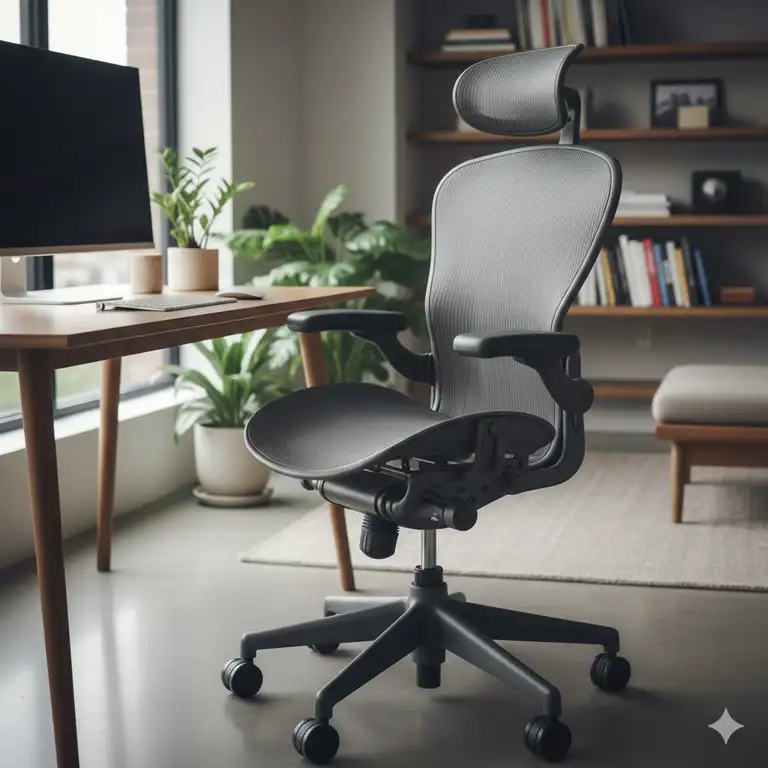
The Herman Miller Aeron Chair is often considered the gold standard in office seating and a phenomenal posture chair. Designed by Bill Stumpf and Don Chadwick, it’s a design icon found in boardrooms and home offices alike.
-
Technical Specifications:
-
Sizes: A (Small), B (Medium), C (Large).
-
Material: Pellicle 8Z breathable suspension fabric (8 zones of varying tension).
-
Recline: Harmonic Tilt mechanism (smooth recline).
-
Support System: PostureFit SL system (adjustable sacral and lumbar support).
-
Adjustability: Fully adjustable armrests (height, depth, angle).
-
-
Customer Review Analysis: Users consistently praise the chair’s build quality, the cooling effect of the Pellicle mesh, and the PostureFit SL’s ability to keep the pelvis tilted forward, thus maintaining the natural spinal curve. Many describe it as the best posture chair they have ever owned, despite the high initial cost. Critiques often center on the price and the difficulty of choosing the correct size without testing.
-
Professional Applications: Ideal for CEOs, designers, and anyone spending 8+ hours a day seated. It’s a favorite in high-end corporate and government settings.
-
Pros/Cons:
-
Pros:
-
✅ Legendary 12-year warranty;
-
✅ Superior breathability;
-
✅ Exceptional build quality and long-term value.
-
-
Cons:
-
❌ Very high price point;
-
❌ Sizing is critical and can be tricky to get right.
-
-
2. Varier Variable Balans Original Kneeling Chair
A specialized, classic posture corrector chair, the Varier Variable Balans Original Kneeling Chair uses a unique design to shift the work of holding your posture from your back muscles to your core and legs.
-
Technical Specifications:
-
Design: Peter Opsvik, 1979.
-
Material: Wood frame (often Ash or Beech), cushioned seat and knee pads.
-
Mechanism: Rocking motion encouraged by curved runners.
-
Dimensions: Fixed height, suitable for standard desk heights.
-
Weight Capacity: Typically up to 240 lbs.
-
-
Customer Review Analysis: Reviewers love the active sitting experience, noting a significant reduction in lower back pain because it naturally prevents slouching. They say it encourages movement and makes long stretches of desk work more tolerable. However, some mention that it takes a period of adjustment for the knees and shins to get used to the weight distribution.
-
Professional Applications: Perfect for creative workers, students, or anyone looking to break the habit of static sitting. Great as a secondary chair for rotation.
-
Pros/Cons:
-
Pros:
-
✅ Excellent for active sitting and engaging the core;
-
✅ Reduces pressure on the lower back;
-
✅ Distinctive, attractive Scandinavian design.
-
-
Cons:
-
❌ Not ideal for all-day use without rotation;
-
❌ Requires a brief adjustment period.
-
-
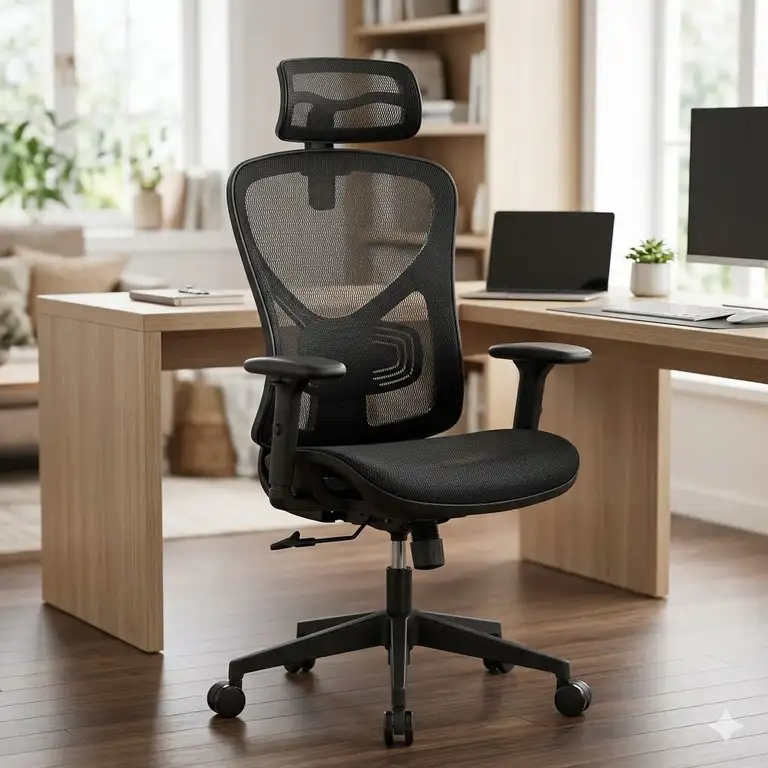
3. Gabrylly Ergonomic Mesh Office Chair with Lumbar Support
The Gabrylly Ergonomic Mesh Office Chair with Lumbar Support offers an impressive suite of ergonomic features at a mid-range price point, making it a highly accessible entry into the world of effective posture chairs.
-
Technical Specifications:
-
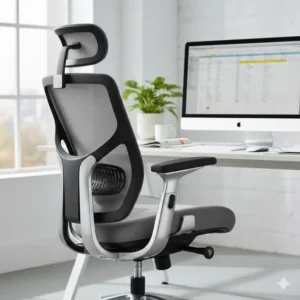
Material: Full mesh design (back, seat, and headrest) for ventilation.
-
Ergonomics: Adjustable headrest (angle and height) and lumbar support.
-
Unique Feature: Flip-up armrests (convenient for sliding under a desk).
-
Dimensions: High backrest and a large, comfortable seat area.
-
-
Customer Review Analysis: This chair is highly rated for value. Customers appreciate the complete mesh coverage that keeps them cool, especially during summer months. The flip-up armrests are a major selling point for those with space constraints. The main critique is that the lumbar support is not as aggressively contoured as premium models.
-
Professional Applications: Fantastic for home office setups, especially for users who appreciate excellent ventilation and need a high-back chair.
-
Pros/Cons:
-
Pros:
-
✅ Full mesh for excellent breathability;
-
✅ Affordable price for comprehensive features;
-
✅ Convenient flip-up armrests.
-
-
Cons:
- ❌ Lumbar support is less dynamic than high-end models;
- ❌ Assembly required.
-
4. Dragonn Ergonomic Kneeling Chair
For those intrigued by the idea of a kneeling chair but wary of the premium price, the Dragonn Ergonomic Kneeling Chair provides a budget-friendly option to test the posture corrector chair concept.
-
Technical Specifications:
-
Frame: Metal base with four rolling castors.
-
Padding: 3-inch thick mesh cushions for the seat and knee pads.
-
Adjustability: Hydraulic piston for height adjustment.
-
Posture Angle: Designed to place the hips at a 110-130-degree angle.
-
-
Customer Review Analysis: Users find the Dragonn to be an effective, quick fix for lower back pain. They appreciate the adjustability and the comfortable, thick padding compared to older, non-mesh kneeling designs. However, as expected with budget options, some reviews note that the durability and long-term cushion compression aren’t on par with the higher-end Varier.
-
Professional Applications: Ideal for short-term use, tasks requiring intense focus (like writing or studying), or as an introductory kneeling chair.
-
Pros/Cons:
-
Pros:
-
✅ Highly affordable entry point;
-
✅ Adjustable height;
-
✅ Thick, comfortable mesh padding.
-
-
Cons:
-
❌ Less durable than premium alternatives;
-
❌ Not ideal for all-day, 8+ hour sitting sessions.
-
-
5. Branch Ergonomic Chair
The Branch Ergonomic Chair is a strong competitor in the premium mid-range segment, designed to bring high-end adjustability and quality to a more accessible price point than the industry giants. It’s a great example of a modern, stylish posture chair.
-
Technical Specifications:
-
Adjustment Points: Features a total of 8 points of adjustment.
-
Material: High-density foam cushions and double-woven stretch mesh back.
-
Mechanism: Intuitive tilt-tension mechanism.
-
Support: Independent lumbar support that adjusts vertically.
-
Aesthetics: Sleek, minimalist design available in multiple colors.
-
-
Customer Review Analysis: Customers praise its clean aesthetic, which fits modern offices beautifully, and its comprehensive adjustability. Many consider it the best value for money when comparing its features to much more expensive chairs. The vertical-only adjustable lumbar is sometimes noted as a limitation compared to models that adjust in and out.
-
Professional Applications: A perfect fit for startups, design agencies, or sophisticated home offices where style and function are equally important.
-
Pros/Cons:
-
Pros:
-
✅ Excellent adjustability for the price;
-
✅ Modern, stylish design;
-
✅ Strong 7-year warranty.
-
-
Cons:
-
❌ Lumbar support is vertical-only;
-
❌ Seat cushion firmness is a matter of personal preference.
-
-
6. Saddle Boss Saddle Stool
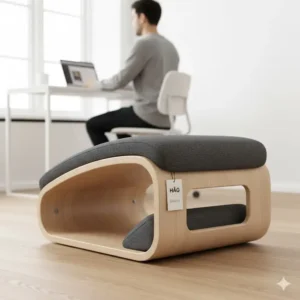
The Saddle Boss Saddle Stool is a unique posture corrector chair alternative that mimics the posture of riding a horse. This design forces the hips into a completely open and upright position, drastically improving spinal curvature.
-
Technical Specifications:
-
Design: Saddle-shaped seat (split or single).
-
Mechanism: Hydraulic gas lift for height adjustment.
-
Base: Rolling castor wheels (often 5-star base).
-
Material: High-density molded foam with durable faux leather or vinyl upholstery.
-
Height Range: Often a large height adjustment range for different desk types (standard or standing).
-
-
Customer Review Analysis: Highly favored by dentists, tattoo artists, laboratory technicians, and others whose work requires precision and mobility. Users report that the posture chair design almost instantly eliminates tailbone and lower back pressure. The main learning curve is getting used to the “saddle” feel, and some users note that their inner thighs tire initially.
-
Professional Applications: Excellent for dynamic work environments, health/medical fields, or height-adjustable desks.
-
Pros/Cons:
-
Pros:
-
✅ Eliminates coccyx (tailbone) pressure;
-
✅ Promotes perfect spinal alignment (neutral S-curve);
-
✅ Encourages movement and reach.
-
- Cons:
- ❌ Not for everyone—requires an adjustment period;
- ❌ Can put pressure on the inner thighs initially.
-
7. Steelcase Gesture Chair
The Steelcase Gesture Chair is a high-performance posture chair designed explicitly for the modern age of multiple devices. Its key innovation lies in the armrests and back support, which adapt to any posture, whether you’re leaning forward over a tablet or reclining with a smartphone.
-
Technical Specifications:
-
Support System: ‘LiveBack’ technology (the back of the chair flexes and moves with the user’s spine).
-
Armrests: 360-degree pivoting armrests (a standout feature).
-
Material: High-performance foam and durable fabric/leather options.
-
Mechanism: Intuitive weight-activated tension mechanism.
-
Warranty: Industry-leading 12-year warranty.
-
-
Customer Review Analysis: Reviewers are overwhelmingly positive about the chair’s adaptability and robustness. The armrests, which move into literally any position, are frequently cited as revolutionary. It performs exceptionally well as a posture chair for users who frequently switch between typing, texting, and screen-gazing. The primary drawback, like the Aeron, is the premium price tag.
-
Professional Applications: Essential for tech professionals, gamers, and anyone with a multi-screen or multi-device workflow.
-
Pros/Cons:
-
Pros:
-
✅ Supreme adaptability to multiple postures (device-friendly);
-
✅ Outstanding ‘LiveBack’ spinal support;
-
✅ Exceptional 12-year warranty.
-
-
Cons:
-
❌ One of the most expensive options;
-
❌ Can feel overly firm to some users initially.
-
-
✨ Stop Postponing Your Back Health!
🔍 Don’t spend another day in pain. Click on the highlighted product links within this guide to check the latest availability and pricing on Amazon. Investing in a quality posture chair is the best decision you can make for your body and your productivity! Click to see prices! 🛒
💬 Just one click – help others make better buying decisions too!😊
⚙️ Deeper Dive: Understanding the Engineering of Posture Chairs
When we talk about chairs designed to improve your sitting position—the various posture chairs and posture corrector chair models—we’re talking about sophisticated ergonomic engineering. These aren’t just padded seats; they are biomechanical tools. To truly understand why these chairs work, it helps to look at the core concepts they address.
The Problem with 90 Degrees 📐
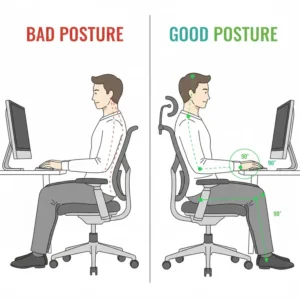
For years, we were told to sit up straight at a 90-degree angle. However, research, including studies published in the British Journal of Pain (as cited on the NIH website), has shown that a slightly reclined position, often around 110 to 135 degrees, actually places less stress on the lumbar spine and intervertebral discs.
A good posture chair aims to achieve this optimal angle or to encourage an “open” hip angle. For instance, kneeling chairs and saddle chairs—which are fantastic variations of a posture chair—open the hip angle well past 90 degrees (closer to 135 degrees), allowing the spine to effortlessly settle into its natural S-curve. This shift is crucial because it reduces the muscle effort needed to maintain proper alignment.
Key Features That Define a Quality Posture Chair
Let’s dissect the features that separate the effective posture chairs from the imposters. When looking for the best chair for posture correction, you should prioritize these elements.
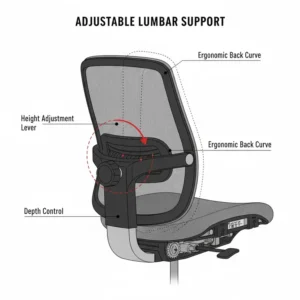
1. Dynamic Lumbar Support
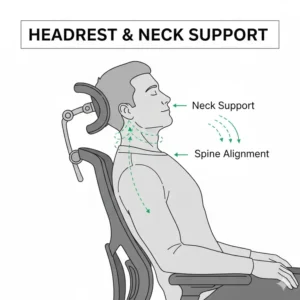
This isn’t just a fixed lump of padding. Dynamic support, like the PostureFit SL in the Herman Miller Aeron Chair or the ‘LiveBack’ in the Steelcase Gesture Chair, adjusts to the natural curve of your lower back as you move and recline. This ensures continuous support of the lordosis (the inward curve) of the spine.
2. Multi-Dimensional Adjustability
A chair is only ergonomic if it fits you. High-quality posture chairs, such as the Branch Ergonomic Chair, offer adjustments in:
-
Seat Height & Depth (Water-falling Edge): Crucial for preventing pressure behind the knees and ensuring feet are flat on the floor.
-
Armrest: Height, width, and pivot must be adjustable to keep your forearms parallel to the floor, reducing tension in the shoulders and neck.
-
Recline/Tilt: The ability to lock the chair at various angles (e.g., synchronous tilt) is vital for distributing weight and reducing static load on your body.
3. High-Quality Suspension Materials
Materials like the Pellicle mesh on the Herman Miller Aeron Chair are not just for aesthetics. They are engineered to distribute your body weight evenly across the entire surface. This reduces pressure points that often lead to discomfort and circulation issues, which is a major benefit of modern posture chairs.
Technical Specification Matrix 🛠️
Let’s look at a detailed spec comparison for those who love the nitty-gritty details.
| Feature | Herman Miller Aeron | Varier Variable Balans | Gabrylly Ergonomic | Dragonn Kneeling | Steelcase Gesture |
| Lumbar Support | Adjustable PostureFit SL | Natural Knee/Seat Angle | Fixed/Adjustable Pad | Hip Angle Position | LiveBack Flexing |
| Material | Pellicle 8Z Mesh | Wood Frame/Cushion | Full Mesh | Metal Frame/Mesh Cushion | High-Performance Foam |
| Armrest Adjust | Full (Height, Angle, Depth) | None (Open Design) | Height, Flip-up | None (Open Design) | Full 360-Degree |
| Max Weight Capacity | Up to 350 lbs | Up to 240 lbs | Up to 280 lbs | Up to 250 lbs | Up to 400 lbs |
| Tilt Mechanism | Harmonic Tilt | Rocking Motion | Standard Recline Lock | Fixed Angle | Weight-Activated Synchro |
| Assembly Required | Minimal/None | Yes | Yes | Yes | Minimal/None |
💰 Budget vs. Premium: Finding Your Ideal Posture Chair Investment
The price gap between different posture chairs is substantial. You can find a decent budget-friendly posture corrector chair, like the Dragonn Ergonomic Kneeling Chair, for under $200, while premium models such as the Steelcase Gesture Chair can easily cost over $1,500. This disparity isn’t arbitrary; it reflects significant differences in materials, engineering, and longevity.
The Value of Longevity and Engineering
When you pay for a premium chair, you are essentially buying time and superior engineering. The 12-year warranties offered by brands like Herman Miller and Steelcase are not just marketing stunts; they reflect confidence in parts built to withstand nearly a decade of daily use. These high-end posture chairs use:
-
Precision-Machined Components: Less squeak, smoother adjustments, and less likelihood of parts failing.
-
Proprietary Materials: Patented mesh or foam that maintains tension and support for years.
-
Advanced Kinematics: Mechanisms that truly mimic and support the human body’s movement.
In contrast, a budget posture chair provides the basic ergonomic shape but often uses less dense foam that compresses quickly, basic fixed mechanisms, and less durable plastic/metal parts. While a budget kneeling chair like the Dragonn is a great way to “try out” the concept, it may need replacement in 1-3 years. Therefore, if you sit for 6+ hours daily, the higher upfront cost of a premium posture chair is often the better long-term investment.
Budget vs. Premium Comparison 💸
| Category | Budget Posture Chairs (<$300) | Mid-Range Posture Chairs ($300 – $800) | Premium Posture Chairs (>$800) |
| Example Model | Dragonn Ergonomic Kneeling Chair | Gabrylly Ergonomic Mesh Office Chair | Herman Miller Aeron Chair |
| Core Value | Accessibility & Concept Testing | Feature Balance & Value | Longevity & Best-in-Class Support |
| Adjustability | Basic height/tilt only | Multi-point (Lumbar, Headrest, Armrests) | Micro-adjustments (8+ points) |
| Material Quality | Standard foam, basic mesh/vinyl | Durable high-density foam, thicker mesh | Proprietary, patented suspension materials |
| Warranty | Typically 6 months – 1 year | Typically 1 – 5 years | 10 – 12 Years |
| Usage Recommendation | Secondary or 1-4 hours/day | Standard 4-8 hour workday | All-day (8+ hours), intensive use |
🛠️ The Ultimate Buying Guide: How to Select the Right Posture Chair for You
Choosing the perfect chair is personal, much like finding the right pair of shoes. It must fit your body, your workspace, and your specific needs for posture correction. To ensure you find the best chair for posture correction, you must consider four main factors.
Step 1: Assess Your Sitting Habits and Needs
Before looking at models, analyze how you actually sit. Do you lean forward? Do you cross your legs? Do you frequently move between a computer screen, a phone, and a piece of paper?
-
For Multi-Device Users: If you’re constantly changing posture (like a tech worker or designer), a chair with highly adaptable armrests and back support, such as the Steelcase Gesture Chair, is essential.
-
For Constant Slouchers: If your biggest problem is keeping your spine upright, a specialized posture corrector chair like the Varier Variable Balans Original Kneeling Chair or a saddle stool forces the correct position instantly.
-
For Tall/Large Users: You need a chair with robust construction and deep seat pan adjustment. Always check the maximum weight capacity and the seat depth range on the product specifications.
Step 2: Decide on the Chair Type
There are fundamentally three main types of posture chair designs, each tackling the problem of sitting from a different angle.
A. Fully Ergonomic Office Chair
-
How it works: Uses multiple levers and mechanisms (seat pan, tilt, lumbar, arms) to customize the chair to the user’s body.
-
Best for: All-day use, general office work.
-
Examples: Herman Miller Aeron, Branch Ergonomic Chair.
B. Kneeling Chair
-
How it works: Shifts weight from the lower back/tailbone to the shins and knees, forcing the pelvis into an open, anterior (forward) tilt.
-
Best for: Short-term focus work, reducing existing lower back pain, ‘active sitting.’
-
Examples: Varier Variable Balans, Dragonn Ergonomic Kneeling Chair.
C. Saddle Stool
-
How it works: Elevates the sitting position, opens the hip angle to near-standing level, and promotes the natural S-curve of the spine while offering mobility.
-
Best for: Dynamic tasks, work requiring movement, reduction of tailbone pressure.
-
Examples: Saddle Boss Saddle Stool.
Step 3: Prioritize Key Adjustments
Don’t buy a posture chair that isn’t fully adjustable. Here are the must-haves:
-
Adjustable Lumbar Support: It should move up and down to hit the peak curve of your lower back.
-
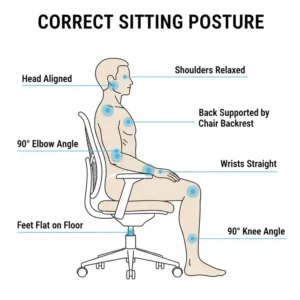
Adjustable Seat Depth (Seat Slider): The distance between the backrest and the front of the seat must be adjusted so there are 2-3 inches between the back of your knees and the seat’s edge.
-
Adjustable Armrest Height: Ensure they allow your elbows to rest at a 90-degree angle.
Step 4: Don’t Forget the Materials
Consider the climate where you live. If you are in a warm or humid area, a mesh back and seat, like the one found on the Gabrylly Ergonomic Mesh Office Chair with Lumbar Support, will be invaluable for ventilation and keeping you cool.
💖 Feature-Benefit Analysis: Why You Need to Upgrade Your Posture Chairs
Switching to a dedicated posture chair is about more than just comfort; it delivers quantifiable benefits that impact your health and productivity. The investment pays for itself through fewer aches and less time spent distracted by discomfort.
Key Features and Their Real-World Benefits
| Feature | Underlying Mechanism/Physical Difference | Real-World Benefit for the User |
| Forward Tilting Seat | Opens the hip angle > 90 degrees, encouraging pelvic anterior tilt. | Instant Posture Correction: Naturally aligns the spine into its S-curve, reducing disc compression. |
| Dynamic Lumbar Support | Follows the spine’s movement during recline and lean-forward. | Reduced Fatigue: Spine remains supported even when shifting, preventing muscle strain. |
| Pellicle or Full Mesh Fabric | High-tension weave distributes weight evenly and allows constant airflow. | Enhanced Focus & Comfort: Eliminates pressure points and prevents sweating, letting you focus longer. |
| 360° Pivoting Armrests | Allows armrests to move in tandem with modern device use (phone, tablet, keyboard). | Eliminates Tech Strain: Prevents hunching and shoulder tension from device interaction. |
The Unexpected Benefits of Posture Correction
While reduced back pain is the obvious advantage, using a high-quality posture chair delivers more subtle, yet powerful, benefits:
-
Improved Breathing and Circulation: When you sit upright, your diaphragm and lungs have more room to expand, leading to deeper, more efficient breathing. This increased oxygenation can actually boost your energy and cognitive function.
-
Enhanced Focus and Productivity: When your body isn’t constantly signalling pain or discomfort, your brain is free to concentrate on the task at hand. The ‘active sitting’ concept promoted by chairs like the Varier Variable Balans stimulates micro-movements, which can help keep your mind alert and engaged.
-
Digestive Health: Sitting in a hunched position compresses your abdominal organs. An upright, correct posture corrector chair position allows for better internal organ function and digestion.
“I’ve noticed a significant change not just in my back, but in my energy levels. It turns out, sitting right is exhausting for your old chair, but effortless for a good posture chair.”
🤝 User Compatibility Matrix: Finding the Perfect Fit
Since no two bodies are alike, the “best” posture chair is entirely dependent on the individual user’s body measurements, weight, and existing conditions. The user compatibility matrix helps you filter the top models based on key user requirements.
| User Profile | Best Fit Model | Rationale | Important Feature to Look For |
| Petite/Short User (< 5’5″) | Herman Miller Aeron (Size A) | Smallest size fits shorter torsos and allows feet to remain flat on the floor. | Low minimum seat height; adjustable seat depth. |
| Tall/Large User (> 6’2″ / > 250 lbs) | Steelcase Gesture Chair | High weight capacity (400 lbs) and extensive back height. | High maximum seat height; high weight rating. |
| User with Existing Tailbone Pain | Saddle Boss Saddle Stool | Eliminates pressure on the coccyx by opening the hip angle and separating leg support. | Saddle design or extreme seat pan pressure relief. |
| User with Neck/Shoulder Pain | Steelcase Gesture Chair | 360-degree armrests allow for precise support to reduce tension while typing/using a phone. | Fully adjustable armrests and high backrest. |
| Budget-Conscious Tester | Dragonn Ergonomic Kneeling Chair | Low entry price to test the kneeling chair concept before committing to a premium posture chair. | Cost-effective; mesh padding. |
🧐 Addressing Common Queries: Posture Chair FAQs
It’s natural to have questions when making a significant purchase, especially one that impacts your health. Let’s tackle some of the most common user queries about posture chairs and posture corrector chair variants.
Is a kneeling chair a better posture chair than an ergonomic office chair?
Neither is universally “better”; they just achieve good posture in different ways. A kneeling posture chair, such as the Varier Variable Balans, is exceptional at forcing the pelvis forward, reducing lumbar strain, and promoting active sitting. However, it’s often not ideal for all-day sitting or for users with knee issues. A high-end ergonomic chair offers more comfort, full-day support, and customization, but requires the user to actively utilize the adjustments.
How do I know if the posture chair is adjusted correctly for me?
You know it’s right when:
-
Feet are Flat: Your feet rest firmly on the floor or a footrest.
-
Knees are Lower: Your knees are slightly lower than your hips (or, in a kneeling chair, your shins/knees are comfortable).
-
Elbows at 90°: Your forearms are parallel to the floor, and your elbows are bent at about 90 degrees when typing.
-
Lumbar Contact: The most pronounced curve of the chair’s lumbar support hits the smallest part of your lower back.
What are some less common posture chairs I should consider?
Beyond the standard ergonomic and kneeling designs, a few other innovative types of posture chairs are worth considering:
-
Saddle Stools: Excellent for open-hip posture and high mobility (Saddle Boss Saddle Stool).
-
Ball Chairs: Use an exercise ball as a seat to engage the core and improve balance. While they are a great way to improve core strength and are a type of posture corrector chair, they are not recommended for long, 8-hour workdays.
-
Balance Stools/Wobble Chairs: Designed to encourage constant micro-movements, similar to a kneeling chair, keeping the core engaged and the body active.
Do posture chairs actually help with sciatica?
Yes, but cautiously. Sciatica is pain radiating from the sciatic nerve, often caused by nerve compression in the lumbar spine. A good posture chair or posture corrector chair can help by:
-
Reducing Pressure: Relieving pressure on the lower spinal discs by promoting a neutral or slightly reclined posture.
-
Opening the Hip Angle: Kneeling and saddle chairs, in particular, can significantly reduce pressure in the lower spine by maintaining an open hip angle.
-
However, if the pain is severe, a specialized medical cushion combined with an ergonomic chair is often recommended. Consult a physician or physical therapist for a definitive diagnosis and recommendation.
🎯 Ready to finally fix your sitting posture?
Click here to shop the best posture chair models now! ⚡
🎓 Conclusion: The Path to a Pain-Free Posture
The quest for the perfect posture chair is a deeply personal one, but the science is clear: the right seating is a powerful tool against the debilitating effects of our sedentary modern lifestyle. Whether you opt for the iconic, all-encompassing support of the Herman Miller Aeron Chair, the active engagement of the Varier Variable Balans, or the superb value of the Gabrylly Ergonomic Mesh Office Chair, your back will thank you.
Remember, the best chair for posture correction is the one that fits your body perfectly, encourages an upright, open-hip posture, and allows for frequent, subtle movement. Therefore, take the time to review the specifications, understand your sitting needs, and make the investment. It’s not just about a chair; it’s about investing in a healthier, more focused, and pain-free future.
FAQs
✅ While all posture chairs are ergonomic, not all ergonomic chairs are explicitly designed for active posture correction. Posture chairs often focus on specialized mechanisms, like kneeling or saddle shapes, to force the pelvis into a specific, optimal alignment (anterior tilt), whereas general ergonomic chairs focus on a wide range of adjustability for user comfort...
✅ Many users find specialized posture corrector chairs, such as kneeling or saddle designs, immediately effective for lower back pain because they open the hip angle (often to 110-135 degrees), significantly reducing the pressure on the lumbar discs. They work by eliminating the possibility of slouching, forcing a natural spinal curve from the base up...
✅ A high-quality, durable posture chair will typically cost between $500 and $1,500, with premium, long-warranty models like the Herman Miller Aeron exceeding $1,500. Budget options exist below $300, but these often lack the long-term durability, adjustment features, and supportive, proprietary materials of the mid-range and premium chairs...
✅ Yes, certain types of posture chairs are ideal for standing desks. Tall chairs like the Saddle Boss Saddle Stool and specialized drafting stools often have a wide height range to function as a perch or seating option when you need a break from standing. Always check the chair’s maximum seat height before purchase to ensure compatibility...
✅ The best place to find deals on top-rated posture chairs is Amazon, especially during major shopping holidays like Prime Day, Black Friday, and Cyber Monday. Authorized retailers for premium brands also offer seasonal sales. Checking certified pre-owned or refurbished options from official dealers can also yield significant savings on expensive models like the Steelcase Gesture Chair... ❓ What is the main difference between a posture chair and an ergonomic chair?
❓ Are posture corrector chair models better for reducing lower back pain?
❓ How much should I budget for a high-quality posture chair?
❓ Can I use a posture chair with a standing desk?
❓ Where can I find the best deals and sales on top-rated posture chairs?
Recommended for You
- Ergonomic Lounge Chair: Top Picks for Ultimate Comfort & Support in 2025
- 7 Amazing Chairs: Ultimate Guide to the best living room chair for back pain sufferers
- Upholstered Office Chair: 7 Top Picks & Buying Guide 2025 for Better Posture & Focus
Disclaimer: This article contains affiliate links. If you purchase products through these links, we may earn a small commission at no additional cost to you.
✨ Found this helpful? Share it with your friends! 💬🤗