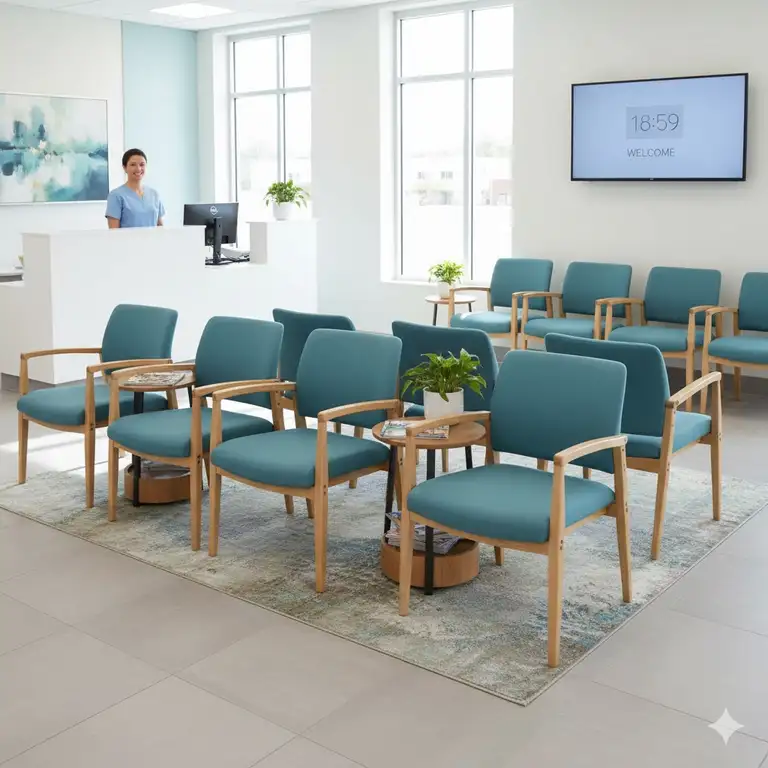
Walking into a doctor office can be stressful enough without having to sit on uncomfortable furniture for thirty minutes. I’ve spent more time than I’d like to admit in medical waiting rooms over the years, and let me tell you – the quality of those chairs makes a massive difference in how patients perceive your practice.
✨Was this helpful? Spread the word! 🚀
The right medical office waiting room chairs do more than just provide a place to sit. They communicate professionalism, reduce patient anxiety, and create that crucial first impression that can make or break your practice’s reputation. Whether you’re furnishing a pediatric clinic, a general practice, or a specialized medical center, choosing appropriate seating isn’t just about aesthetics – it’s about patient care, infection control, and long-term durability.
Quick Comparison: Medical Office Waiting Room Chairs vs Standard Office Seating
| Feature | Medical Office Waiting Room Chairs | Standard Office Chairs |
|---|---|---|
| Upholstery | Antimicrobial vinyl, fluid-resistant | Standard fabric or vinyl |
| Cleaning | Hospital-grade disinfectants compatible | Limited cleaning options |
| Weight Capacity | 300-1000 lbs (bariatric options) | 225-275 lbs typical |
| Durability Rating | 30,000+ double rubs | 15,000-20,000 double rubs |
| Armrest Design | Wide, supportive for elderly/mobility issues | Standard width |
| Seat Height | 18-19 inches (accessibility focused) | 17-18 inches |
| Price Range | Budget to Premium across spectrum | Mid-range typical |
According to the Centers for Disease Control and Prevention, proper infection control in healthcare settings includes choosing furniture that can withstand frequent cleaning with hospital-grade disinfectants – something standard office seating simply wasn’t designed for.
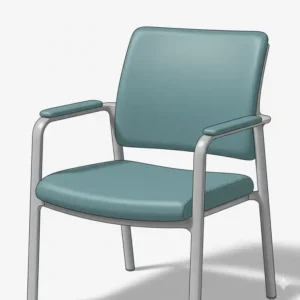
Top 7 Medical Office Waiting Room Chairs: Expert Analysis
After researching dozens of options and analyzing customer feedback from medical practices across the country, I’ve identified seven outstanding choices that balance comfort, durability, and infection control.
1. Flash Furniture HERCULES Series Bariatric Medical Reception Chair
When you need chairs that can handle literally anything, the Flash Furniture HERCULES Series stands out as an exceptional choice. This powerhouse features antimicrobial fabric upholstery specifically designed for medical facilities, with an impressive 1000 lb weight capacity that ensures every patient feels secure and comfortable.
✅ 1000 lb weight capacity with reinforced frame
✅ Antimicrobial vinyl/fabric upholstery options
✅ 21.5 inch extra-wide seat
✅ CAL 117 fire retardant foam
✅ Stackable design (stacks up to 10 high)
✅ 18-gauge tubular steel construction
Ideal for: Bariatric clinics, general practices, urgent care centers
Pros: Exceptional weight capacity, easy to sanitize, stackable for storage, multiple finish options
Cons: Heavier than standard chairs, requires more floor space per unit
2. Lesro Lenox Steel Guest Chair
The Lesro Lenox Steel Guest Chair brings transitional elegance to medical waiting rooms without sacrificing durability. With its gently sloped arms and environmentally friendly soy-based foam, this chair proves that medical furniture doesn’t have to look clinical.
✅ 300 lb weight capacity
✅ Matrex seat support system
✅ Powder coat finish (black or silver)
✅ Easy-to-clean design with space between seat and back
✅ Made in USA
✅ Lifetime warranty on frame
Ideal for: Medical practices prioritizing aesthetics, professional offices, healthcare facilities
Pros: Elegant design, superior comfort, easy maintenance, American-made quality
Cons: Higher price point, requires assembly
3. Lesro Newport Guest Chair
For practices seeking bold, contemporary styling, the Lesro Newport Guest Chair delivers impressive durability with its heavy-duty steel frame and powder coat finish. This chair handles high-traffic environments like a champion while maintaining its professional appearance.
✅ Heavy-duty steel construction
✅ Healthcare vinyl options available
✅ Wallsaver design protects walls
✅ Multiple size options (standard and bariatric)
✅ Generous spacing for easy cleaning
✅ Matrex seat support
Ideal for: Modern medical practices, hospitals, busy urgent care facilities
Pros: Contemporary design, extremely durable, easy cleaning, coordinating furniture available
Cons: Modern aesthetic may not suit traditional offices
4. OFM Core Collection Big and Tall Guest Chair
The OFM Core Collection Big and Tall Guest Chair offers exceptional value with its 400 lb capacity and comfortable sled base design. The 4.75 inch thick padded seat and integrated padded arms create ultimate stability for patients of all sizes.
✅ 400 lb weight capacity
✅ 4.75 inch thick padded seat
✅ Integrated padded arms
✅ Sled base for easy movement
✅ Durable vinyl upholstery
✅ 10-year limited warranty
Ideal for: Budget-conscious practices, multi-location clinics, medical office buildings
Pros: Excellent value, comfortable padding, easy to move, strong warranty
Cons: Limited upholstery options compared to premium brands
5. Boss Office Products Reception Box Arm Chair
If you’re looking for traditional elegance with modern functionality, the Boss Office Products Reception Box Arm Chair delivers with its mahogany finish and CaressoftPlus vinyl upholstery. This chair brings warmth to waiting room chairs for doctors office settings while remaining practical for daily medical use.
✅ 275 lb capacity
✅ CaressoftPlus vinyl (easy to clean)
✅ Mahogany wood frame
✅ 19 inch seat width
✅ Box arm design
✅ Can be ganged together with optional kit
Ideal for: Traditional medical practices, physician private offices, professional healthcare settings
Pros: Classic appearance, easy maintenance, can link chairs together, affordable
Cons: Lower weight capacity than bariatric options
6. Alera Reception Lounge WL Series Guest Chair
The Alera Reception Lounge WL Series Guest Chair combines affordability with professional styling through its soft-touch bonded leather upholstery and solid wood frame. The quick snap-together assembly means you can have your waiting room set up in minutes.
✅ 275 lb weight capacity
✅ Bonded leather upholstery
✅ Solid wood frame
✅ Leveling glides for uneven floors
✅ Multiple finish options
✅ Tool-free assembly
Ideal for: Medical offices on a budget, multi-chair setups, practice expansions
Pros: Budget-friendly, quick assembly, stable construction, professional appearance
Cons: Standard weight capacity, may show wear faster than premium options
7. Lesro Lenox Steel Bariatric Chair
For practices that need to accommodate bariatric patients with grace and dignity, the Lesro Lenox Steel Bariatric Chair is simply unmatched. With its 750 lb capacity and 30 inch seat width, this chair ensures that all patients feel welcomed and comfortable.
✅ 750 lb weight capacity
✅ 30 inch wide seat
✅ Extra-wide soy-based foam cushioning
✅ Durable steel frame
✅ Healthcare vinyl options
✅ Made in USA
Ideal for: Bariatric clinics, general practices, hospitals, rehabilitation centers
Pros: Exceptional capacity, dignified design, comfortable for extended sitting, superior build quality
Cons: Highest price point, requires significant floor space
🛒 Ready to Upgrade Your Waiting Room? ✨
These carefully selected chairs represent the best options available for medical practices in 2025. Click on any highlighted product name above to check current availability and compare options for your specific needs. Your patients will notice the difference!
💬 Just one click – help others make better buying decisions too!😊
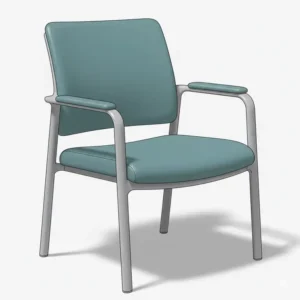
Understanding Medical Office Seating Requirements
Choosing chairs for medical facilities isn’t like picking out furniture for a corporate lobby. The healthcare environment demands specific considerations that go far beyond standard comfort and aesthetics.
Antimicrobial Properties and Infection Control
Medical office waiting room chairs must withstand rigorous cleaning protocols. According to healthcare infection control guidelines, high-touch surfaces in medical facilities should be cleaned multiple times daily with EPA-approved disinfectants. This means your seating upholstery needs to handle:
Chemical Resistance: The ability to withstand hospital-grade cleaners without degrading, cracking, or discoloring
Non-porous Surfaces: Materials that don’t harbor bacteria in tiny crevices
Antimicrobial Treatment: Built-in protection that inhibits bacterial growth between cleanings
Fluid Barriers: Protection against bodily fluid absorption
Healthcare vinyl has evolved significantly. Today’s medical-grade options feel soft and comfortable while providing the protection your practice needs. Gone are the days when antimicrobial meant uncomfortable plastic-feeling surfaces.
Weight Capacity Considerations
| Patient Category | Recommended Capacity | Typical Seat Width |
|---|---|---|
| Standard Adult | 275-300 lbs | 18-20 inches |
| Heavy-Duty | 400-500 lbs | 21-24 inches |
| Bariatric | 750-1000 lbs | 26-30 inches |
The National Institutes of Health reports that approximately 42% of American adults are classified as obese, making higher weight capacities not just considerate but essential for modern medical practices. Offering only standard-capacity chairs can inadvertently exclude a significant portion of potential patients.
Durability and Double Rub Ratings
Let’s talk about something most furniture salespeople gloss over – the double rub rating. This measurement tells you how well upholstery holds up to wear and tear, which matters tremendously in high-traffic waiting rooms.
Office Grade Minimum: 15,000 double rubs
Recommended for Medical: 30,000+ double rubs
Premium Healthcare Grade: 50,000-100,000 double rubs
Think of it this way: if your waiting room sees 50 patients daily (pretty typical for a busy practice), that’s over 18,000 patient contacts annually on your chairs. You need upholstery that won’t show significant wear after just one year.
Design Considerations for Patient Comfort
Seat Height and Accessibility
The Americans with Disabilities Act doesn’t specifically mandate seat heights for waiting room furniture, but following ADA accessibility principles creates a more welcoming environment. Most experts recommend:
✅ Seat heights between 18-19 inches
✅ Sturdy armrests for leverage when standing
✅ Adequate space between seats (minimum 24 inches)
✅ Clear pathways for wheelchair access
I’ve noticed that elderly patients particularly appreciate chairs with slightly higher seats – it makes standing up so much easier when you’re dealing with arthritic knees or hip issues.
Armrest Design and Functionality
Armrests do more than provide somewhere to rest your arms. In medical office waiting room chairs, they serve as critical support points for patients with mobility challenges. Look for:
Proper Width: At least 2-3 inches wide for comfortable gripping
Appropriate Height: 7-9 inches above seat for optimal leverage
Smooth Surfaces: Easy to clean and sanitize
Stable Construction: Securely attached to frame
Spacing and Layout Options
| Configuration | Best For | Space Required per Seat |
|---|---|---|
| Individual Chairs | Maximum flexibility | 30-36 inches |
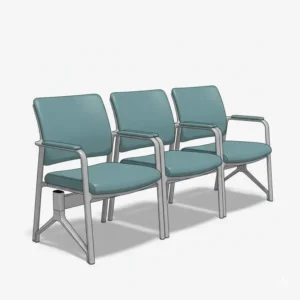
| Ganged Seating | High capacity, organized look | 24-28 inches |
| Sofas/Loveseats | Family-oriented practices | 48-60 inches per unit |
| Benches | Budget-conscious, high volume | 20-24 inches per position |
For waiting room chairs for doctors office layouts, I generally recommend a mix of seating types. Individual chairs offer flexibility for rearranging, while ganged seating creates cleaner sight lines and prevents chairs from migrating across the room.
Material Selection and Maintenance
Upholstery Options Comparison
| Material Type | Durability | Cleanability | Comfort | Cost |
|---|---|---|---|---|
| Healthcare Vinyl | Excellent | Excellent | Good | Mid-range |
| Crypton Fabric | Excellent | Very Good | Excellent | Premium |
| Standard Vinyl | Good | Good | Fair | Budget |
| Bonded Leather | Fair | Fair | Good | Mid-range |
| Polyurethane | Very Good | Excellent | Good | Mid-range |
Healthcare vinyl remains the gold standard for medical office waiting room chairs. Modern formulations incorporate antimicrobial agents like silver ions or quaternary ammonium compounds that actively inhibit bacterial growth. Some manufacturers even offer options with built-in antiviral properties – increasingly important in our post-pandemic world.
Frame Materials and Construction
The frame forms the foundation of chair longevity. Here’s what you’ll encounter:
Steel Frames:
✅ Maximum durability
✅ Higher weight capacities
✅ Powder-coated finishes resist chipping
❌ Heavier to move
❌ Can feel cold or industrial
Wood Frames:
✅ Warm, welcoming appearance
✅ Traditional aesthetic
✅ Good durability with proper care
❌ Higher maintenance
❌ Limited weight capacity compared to steel
Hybrid Construction:
✅ Balances aesthetics and strength
✅ Often features wood arms with steel reinforcement
✅ Versatile styling options
For most medical office waiting room chair applications, I lean toward steel-framed options. They handle the abuse of daily use better and maintain their appearance longer, even with frequent cleaning.
Cleaning and Maintenance Protocols
Establishing consistent maintenance routines extends furniture life dramatically. Here’s what works:
Daily:
- Wipe down all surfaces with hospital-grade disinfectant
- Check for visible damage or wear
- Tighten any loose hardware
Weekly:
- Deep clean upholstery
- Clean under and between seats
- Inspect structural integrity
Monthly:
- Rotate chair positions to even wear
- Apply appropriate vinyl conditioner
- Document any repairs needed
The Environmental Protection Agency maintains a list of approved disinfectants for healthcare settings. Make sure your chosen cleaning products are compatible with your chair upholstery to avoid premature degradation.
Budget Planning and Cost Analysis
Price Range Breakdown
| Budget Category | Price Per Chair | Expected Lifespan | Best Value Options |
|---|---|---|---|
| Economy | Under budget range | 3-5 years | Alera WL Series, Boss Reception Chairs |
| Mid-Range | Mid budget range | 5-8 years | OFM Big and Tall, Flash Furniture Standard |
| Premium | Premium budget range | 8-12+ years | Lesro Lenox/Newport, Flash HERCULES Bariatric |
Here’s my honest take: the premium options from brands like Lesro seem expensive initially, but they’re actually the better value long-term. When you factor in replacement costs, labor for furniture changeover, and the disruption to your practice, spending more upfront makes financial sense.
Total Cost of Ownership
Most practices focus solely on purchase price, but that’s only part of the equation. Consider:
Initial Investment: Purchase price including delivery and setup
Maintenance Costs: Cleaning supplies, repairs, vinyl conditioning
Replacement Cycle: How often will you need to buy new chairs
Warranty Coverage: What’s actually covered and for how long
Energy/Time: Staff time spent on furniture maintenance
Quantity Discounts and Bulk Purchasing
| Number of Chairs | Typical Discount | Additional Benefits |
|---|---|---|
| 1-5 | Standard pricing | – |
| 6-12 | 5-10% off | May include free shipping |
| 13-24 | 10-15% off | Free shipping, extended warranty |
| 25+ | 15-20% off | Free shipping, warranty, design consultation |
Don’t hesitate to negotiate, especially for larger orders. Most medical furniture suppliers offer volume discounts, and some will match competitor pricing. If you’re part of a multi-location practice or healthcare group, leverage that buying power.
Special Considerations for Different Medical Specialties
Pediatric Practices
Children bring unique challenges to waiting room furniture. You need durability that withstands climbing, jumping, and the occasional spilled juice box. Consider:
✅ Antimicrobial vinyl in bright, cheerful colors
✅ Lower seat heights (16-17 inches) for kid-sized furniture
✅ Rounded edges for safety
✅ Stain-resistant treatments
✅ Easy-to-clean surfaces (because kids are messy)
Mix child-sized waiting room chairs for doctors office with standard adult seating so parents can sit comfortably while supervising kids. The Flash Furniture options work particularly well because their antimicrobial properties handle the inevitable germy hands, and the vinyl cleans up easily.
Geriatric and Rehabilitation Centers
Elderly patients need supportive seating that helps maintain independence. Key features include:
Higher Seat Heights: 19-20 inches makes standing easier
Sturdy Armrests: Wide, substantial supports for leverage
Firm Cushioning: Too-soft seats make standing difficult
Hip Chair Options: Extra width accommodates post-surgery needs
Non-Slip Feet: Prevents chairs from sliding when patients use them for support
The Lesro Lenox Steel Bariatric Chair excels in these settings. Its 19-inch seat height and substantial armrests provide excellent support, while the 750 lb capacity ensures stability even for patients using the chair to help themselves stand.
Multi-Specialty Clinics
Practices seeing diverse patient populations need versatile medical office waiting room chairs. Your furniture mix should include:
| Seating Type | Quantity Guideline | Purpose |
|---|---|---|
| Standard Chairs | 60-70% | General patient population |
| Bariatric Chairs | 20-30% | Inclusive for all body types |
| Sofas/Benches | 10-20% | Families, caregivers |
This distribution ensures that every patient finds appropriate, comfortable seating without feeling stigmatized. Mixing Lesro Newport standard chairs with a few Flash HERCULES bariatric options creates an inclusive environment.
Installation and Setup Considerations
Space Planning Requirements
Proper spacing makes your waiting room functional and welcoming. Here’s what professional designers recommend:
Minimum Clearances:
- 36 inches between furniture rows for ADA compliance
- 48 inches for main circulation paths
- 24-30 inches between individual seats
- 60 inches turning radius for wheelchairs
Optimal Capacity:
Calculate 10-15 square feet per person in your waiting area. Too crowded feels uncomfortable, but excessive space feels institutional. Strike that balance where patients feel they have personal space without the room feeling empty.
Assembly and Installation
Most medical office waiting room chairs arrive requiring some assembly. Here’s what to expect:
Minimal Assembly (15-30 minutes per chair):
- Attaching legs to seat
- Installing armrests
- Basic hardware tightening
- Examples: Alera WL Series, Boss Reception Chairs
Moderate Assembly (30-60 minutes per chair):
- Frame assembly
- Upholstery installation
- Multiple connection points
- Examples: Lesro Lenox Series
Professional Installation Recommended:
- Ganged seating systems
- Custom configurations
- Wall-mounted components
Pro tip: Don’t rush the assembly process. Properly tightened hardware prevents wobbling and extends furniture life. I’ve seen too many practices with squeaky, unstable chairs simply because someone rushed through setup.
Sustainability and Environmental Considerations
Eco-Friendly Manufacturing
Modern medical furniture manufacturers increasingly prioritize sustainability. Look for:
✅ Soy-based foam cushioning (renewable resource)
✅ Recycled steel frames (reduces environmental impact)
✅ Water-based adhesives (lower VOC emissions)
✅ Solar-powered manufacturing (Lesro uses 3,200 solar panels)
✅ Modular construction (allows individual part replacement)
The environmental impact of furniture extends beyond manufacturing. Durable chairs that last 10+ years generate less waste than budget options replaced every 3-4 years. Sometimes the greenest choice is simply buying quality that endures.
GREENGUARD Certification
GREENGUARD certification indicates that furniture meets strict chemical emission standards. This matters for indoor air quality – something particularly important in healthcare settings where patients may have respiratory sensitivities.
Several medical office waiting room chairs carry GREENGUARD certification, including select models from OFM and HON. While not mandatory, it’s a nice bonus that shows manufacturer commitment to healthier indoor environments.
Warranty and After-Sales Support
Understanding Warranty Terms
| Warranty Component | Typical Coverage | What It Means |
|---|---|---|
| Frame/Structure | Lifetime to 10 years | Defects in metal/wood construction |
| Mechanisms | 5-10 years | Moving parts, adjustment systems |
| Upholstery | 2-5 years | Fabric/vinyl deterioration |
| Foam | 5 years | Cushion compression, breakdown |
Read the fine print carefully. Some warranties exclude commercial use, which would void coverage for medical office applications. Reputable medical furniture suppliers explicitly cover commercial environments.
Lesro offers lifetime warranties on frames – that’s confidence in their construction. OFM provides 10-year coverage across most components. Flash Furniture typically offers 2-3 year warranties, which aligns with their budget-friendly pricing.
Replacement Parts and Repairs
Quality manufacturers provide replacement parts for years after purchase. This matters tremendously for:
- Individual cushion replacement without replacing entire chairs
- Matching upholstery for repairs
- Hardware replacement (glides, screws, brackets)
- Armrest components
The modular construction of waiting room chairs for doctors office from Lesro particularly shines here. Individual sections can be replaced if damaged, extending overall furniture lifespan significantly.
Trends in Medical Waiting Room Design
Technology Integration
Modern medical office waiting room chairs increasingly incorporate technology features:
USB Charging Ports: Built-in charging for patient phones and tablets
Wireless Charging Pads: Convenient power without cables
Integrated Power Outlets: 110V outlets in armrests or end tables
Some Lesro models offer optional power units with AC outlets plus USB-A and USB-C ports. This technology integration addresses the reality that most patients arrive with devices needing power.
Flexible Configurations
The trend toward adaptable spaces drives demand for modular seating systems. Benefits include:
✅ Easily reconfigure layouts for different needs
✅ Add or remove seats as practice grows
✅ Create different zones (family area, quiet space, etc.)
✅ Accommodate special events or screening days
Ganging brackets allow chairs to be linked together or separated as needed. This flexibility proves valuable as practices evolve and patient demographics shift.
Wellness-Focused Design
Healthcare design increasingly emphasizes the healing environment. This manifests in:
Biophilic Elements: Natural colors, wood tones, organic shapes
Acoustic Considerations: Materials that dampen sound
Ergonomic Support: Proper posture even during waits
Mental Health Awareness: Layouts reducing anxiety
The warm wood finishes available on Lesro Lenox chairs or the contemporary styling of Newport options help create environments that feel less clinical and more welcoming.
Common Mistakes to Avoid
Prioritizing Price Over Quality
I’ve consulted with dozens of practices that regretted buying budget furniture. One clinic spent less initially but replaced their entire waiting room twice in five years – ultimately spending more than premium options would have cost initially.
The math: Premium chairs might cost 40-50% more upfront, but lasting 10+ years versus 3-5 years makes them cheaper per year of use. Factor in:
- Staff time handling replacements
- Practice disruption during furniture changeover
- Potential patient perception issues
- Environmental impact of disposal and manufacturing
Ignoring Patient Demographics
A dermatology practice serving primarily elderly patients needs different seating than a sports medicine clinic treating athletes. Consider:
❌ Standard 17-inch seats for geriatric practices
❌ All-bariatric seating in practices with typical-weight demographics
❌ Low-back chairs for patients with chronic back pain
❌ Identical seating throughout (variety accommodates more patients)
Insufficient Bariatric Options
Here’s an uncomfortable truth: many medical offices don’t provide adequate seating for larger patients. This creates embarrassing situations and may discourage patients from seeking care.
Best Practice: Include at least 20-30% bariatric-capacity seating (400+ lbs) in your mix. Don’t segregate them to one area – distribute throughout the waiting room so they blend naturally. The Flash HERCULES and Lesro Bariatric options don’t scream “special chair,” they simply offer more substantial construction.
Neglecting Maintenance Planning
Furniture requires ongoing care. Establish protocols before installation:
Who handles daily cleaning?
What products are approved for use?
How often should deep cleaning occur?
Who checks for damage or wear?
What’s the process for reporting repairs needed?
Without clear procedures, chairs deteriorate faster than necessary. I’ve seen expensive healthcare vinyl ruined because staff used inappropriate cleaning products.
Making Your Final Decision
Requesting Samples and Testing
Most reputable suppliers provide sample chairs or allow showroom visits. Take advantage of this! You wouldn’t buy a car without test driving it; don’t buy medical office waiting room chairs without sitting in them.
What to test:
- Seat comfort during 15-20 minute sitting
- Armrest height and comfort
- Ease of standing from seated position
- Overall stability and build quality
- Upholstery texture and appearance
Bring staff members representing different body types. What feels comfortable to you may not work for everyone.
Working with Suppliers
Establish clear communication with furniture suppliers:
Questions to ask:
- What’s the actual lead time for my order?
- Are these chairs specifically rated for medical use?
- What cleaning products can I use without voiding warranty?
- Do you offer installation services?
- What’s your return/exchange policy?
- Can I get matching tables or other furniture?
- Do you offer quantity discounts?
Reputable suppliers welcome detailed questions. Be wary of vendors who can’t provide specific answers about medical applications, weight capacities, or warranty terms.
Installation Day Preparation
Site Preparation
Before your new medical office waiting room chairs arrive:
✅ Clear the waiting room completely
✅ Clean floors thoroughly
✅ Mark furniture placement with tape
✅ Ensure adequate lighting for assembly
✅ Have tools ready (usually just screwdrivers)
✅ Designate space for packaging material
Most deliveries arrive on pallets. Ensure your building has accessible entry points for furniture delivery and disposal containers for packaging materials.
Assembly Team Coordination
For larger orders, assemble a team:
Team Lead: Oversees process, handles instructions
Assemblers: 2-3 people minimum for efficiency
Quality Checker: Inspects completed chairs
Cleaner: Removes packaging, vacuums
Budget approximately 30-45 minutes per chair for assembly and quality checking. A typical medical office installing 15 chairs should plan on 4-6 hours total for a small team.
Post-Installation Inspection
Don’t sign off on delivery until you’ve verified:
✅ Correct quantity and models received
✅ No visible damage to upholstery or frames
✅ All hardware properly tightened
✅ Chairs stable and don’t wobble
✅ Upholstery properly aligned and smooth
✅ Any special features (charging ports, etc.) functional
Document any issues immediately with photos. Most suppliers resolve problems quickly when notified promptly.
Long-Term Care Strategies
Developing Maintenance SOPs
Create standard operating procedures for furniture care:
Daily Cleaning Protocol:
- Wipe all surfaces with approved disinfectant
- Check for visible damage
- Report any issues to office manager
Weekly Deep Cleaning:
- Vacuum upholstery thoroughly
- Clean under and between seats
- Check hardware tightness
- Apply vinyl conditioner if needed
Quarterly Inspections:
- Assess overall furniture condition
- Rotate chair positions
- Document wear patterns
- Plan any needed repairs or replacements
Extending Furniture Lifespan
Small actions significantly impact longevity:
✅ Use appropriate cleaning products only
✅ Avoid harsh scrubbing (damages upholstery coating)
✅ Keep chairs away from direct sunlight (prevents fading)
✅ Maintain climate control (extreme temps damage materials)
✅ Address minor repairs immediately (prevents escalation)
✅ Train all staff on proper care procedures
The waiting room chairs for doctors office from premium manufacturers like Lesro can easily last 12-15 years with proper care. Budget options from Alera or Boss still provide 5-8 years of good service when maintained correctly.
When to Replace vs Repair
| Issue | Repair | Replace |
|---|---|---|
| Minor upholstery tears | ✓ | |
| Loose hardware | ✓ | |
| Worn cushion foam | ✓ | |
| Broken frame | ✓ | |
| Extensive upholstery damage | ✓ | |
| Wobbly structure despite tightening | ✓ | |
| Safety concerns | ✓ |
For medical office waiting room chairs with modular construction, individual component replacement often makes sense. For budget options, replacement may be more cost-effective than extensive repairs.
🏆 Transform Your Waiting Room Today! 💺
Don’t settle for uncomfortable, outdated seating that reflects poorly on your practice. Review the seven exceptional options detailed in this guide and choose chairs that enhance patient comfort while meeting healthcare requirements. Click any highlighted product to explore current pricing and specifications. Your patients deserve the best – and so does your practice!

Conclusion
Your choice of medical office waiting room chairs represents more than a furniture purchase – it’s an investment in patient experience, infection control, and your practice’s professional image. Throughout this guide, we’ve explored everything from antimicrobial requirements to weight capacity considerations, from budget analysis to long-term maintenance.
The key takeaways bear repeating:
🎯 Prioritize durability over initial cost – quality chairs deliver better long-term value
🎯 Include diverse seating options – accommodate patients of all sizes and abilities
🎯 Choose medical-grade materials – antimicrobial upholstery isn’t optional in healthcare
🎯 Plan for maintenance – even the best chairs need consistent care
🎯 Consider patient demographics – your specialty influences ideal seating choices
The seven medical office waiting room chairs featured in this guide – from the heavy-duty Flash HERCULES to the elegant Lesro Lenox series – each bring specific strengths to different practice environments. Whether you’re furnishing a pediatric clinic, a geriatric practice, or a multi-specialty center, there’s an option that fits your needs and budget.
Remember that your waiting room creates the first impression for every patient who walks through your door. Those initial moments – sitting in comfortable, clean, well-maintained chairs – set the tone for their entire experience. It’s worth getting it right.
FAQs
✅ Medical waiting room seating should offer varied capacities ranging from 275 lbs for standard chairs up to 750-1000 lbs for bariatric options. Most practices benefit from a mix with approximately 60-70% standard capacity chairs (275-300 lbs), 20-30% heavy-duty options (400-500 lbs), and a few bariatric chairs for inclusive patient accommodation...
✅ Regular office chairs aren't recommended for medical practices due to inadequate antimicrobial protection and cleaning limitations. Medical environments require healthcare-grade vinyl or antimicrobial fabrics that withstand frequent disinfection with hospital-grade cleaners. Standard office upholstery deteriorates quickly under rigorous medical facility cleaning protocols and doesn't provide necessary infection control...
✅ Quality medical waiting room chairs typically last 8-12 years with proper maintenance, while budget options need replacement every 3-5 years. Replacement timing depends on daily patient volume, cleaning frequency, and original quality. Premium brands like Lesro with steel frames and healthcare vinyl often exceed 12 years, whereas economy chairs show significant wear sooner...
✅ Healthcare-grade vinyl remains the optimal upholstery choice for medical waiting areas due to its antimicrobial properties, fluid resistance, and ability to withstand frequent disinfection. Modern healthcare vinyl with 30,000+ double rub ratings offers comfort while resisting bacterial growth. Antimicrobial treatments incorporating silver ions or quaternary ammonium compounds provide additional protection between cleanings...
✅ Calculate 1.5-2 chairs per exam room as a general guideline for medical office capacity planning. A practice with 6 exam rooms should provide 9-12 waiting seats. Consider peak hours, average appointment duration, and whether patients bring companions. Pediatric and family practices often need more seating for accompanying parents or caregivers compared to specialist offices... ❓ What weight capacity should medical office waiting room chairs have?
❓ Can I use regular office chairs in a medical practice?
❓ How often should waiting room chairs be replaced in a medical office?
❓ What's the best upholstery for medical office waiting room chairs?
❓ How many chairs does a medical office waiting room need?
Recommended for You
- Modern Office Guest Chairs: 7 Best Picks for 2025 Reception
- Reception Room Furniture: 7 Essential Pieces Transform Your Office 2025 with Style & Comfort
- Waiting Room Chairs: 7 Best Picks for Ultimate Comfort 2025
Disclaimer: This article contains affiliate links. If you purchase products through these links, we may earn a small commission at no additional cost to you.
✨ Found this helpful? Share it with your friends! 💬🤗